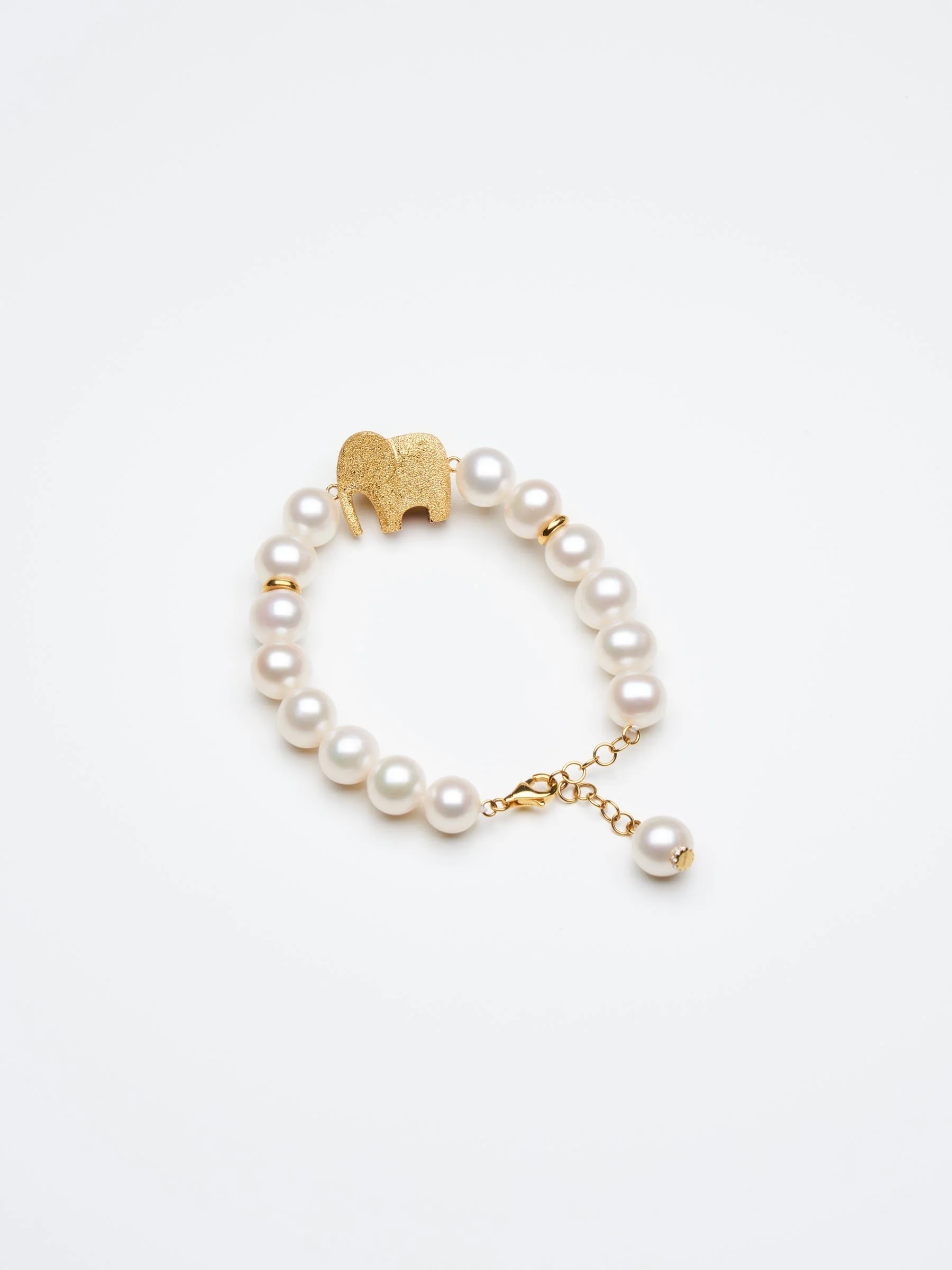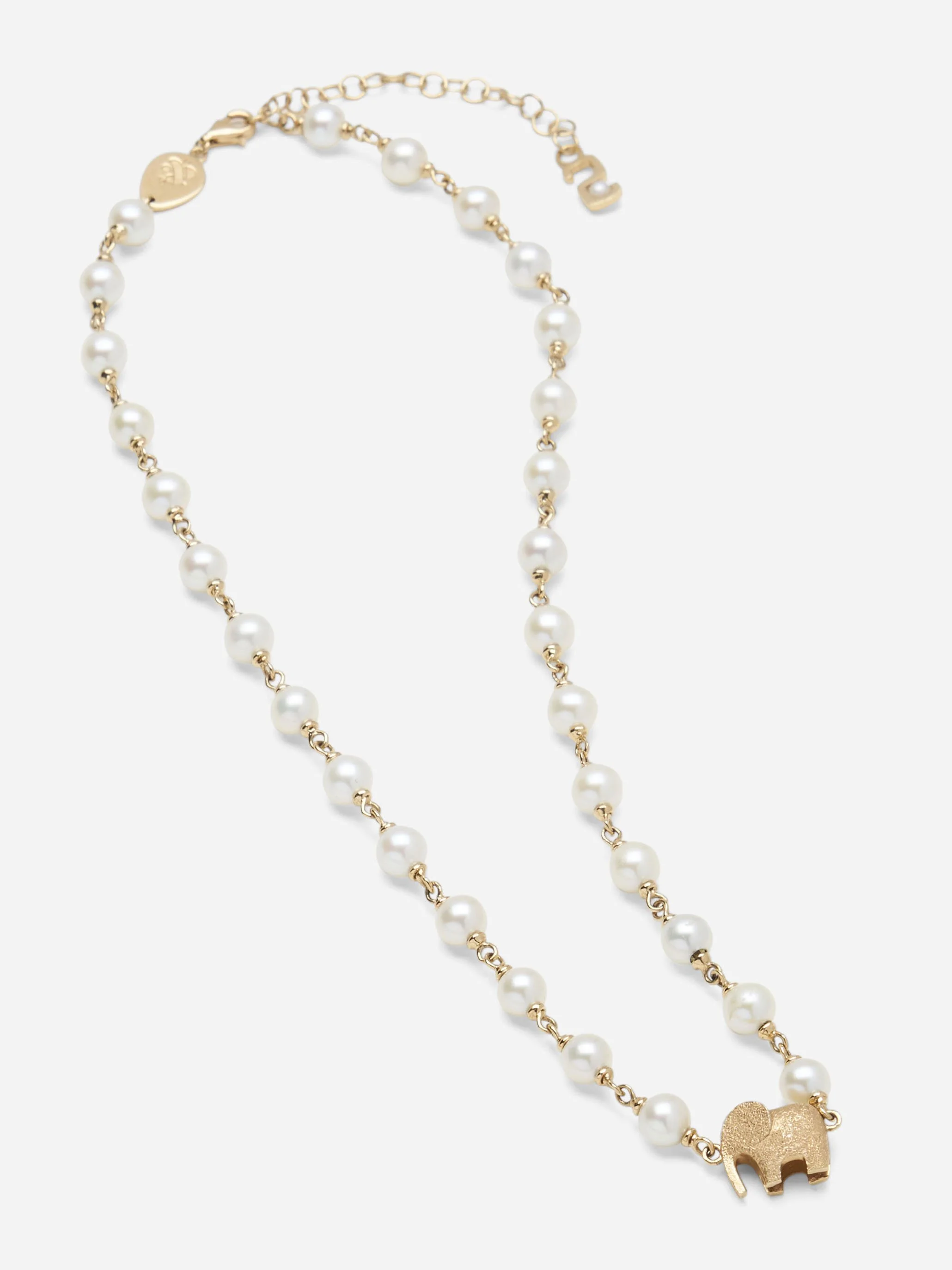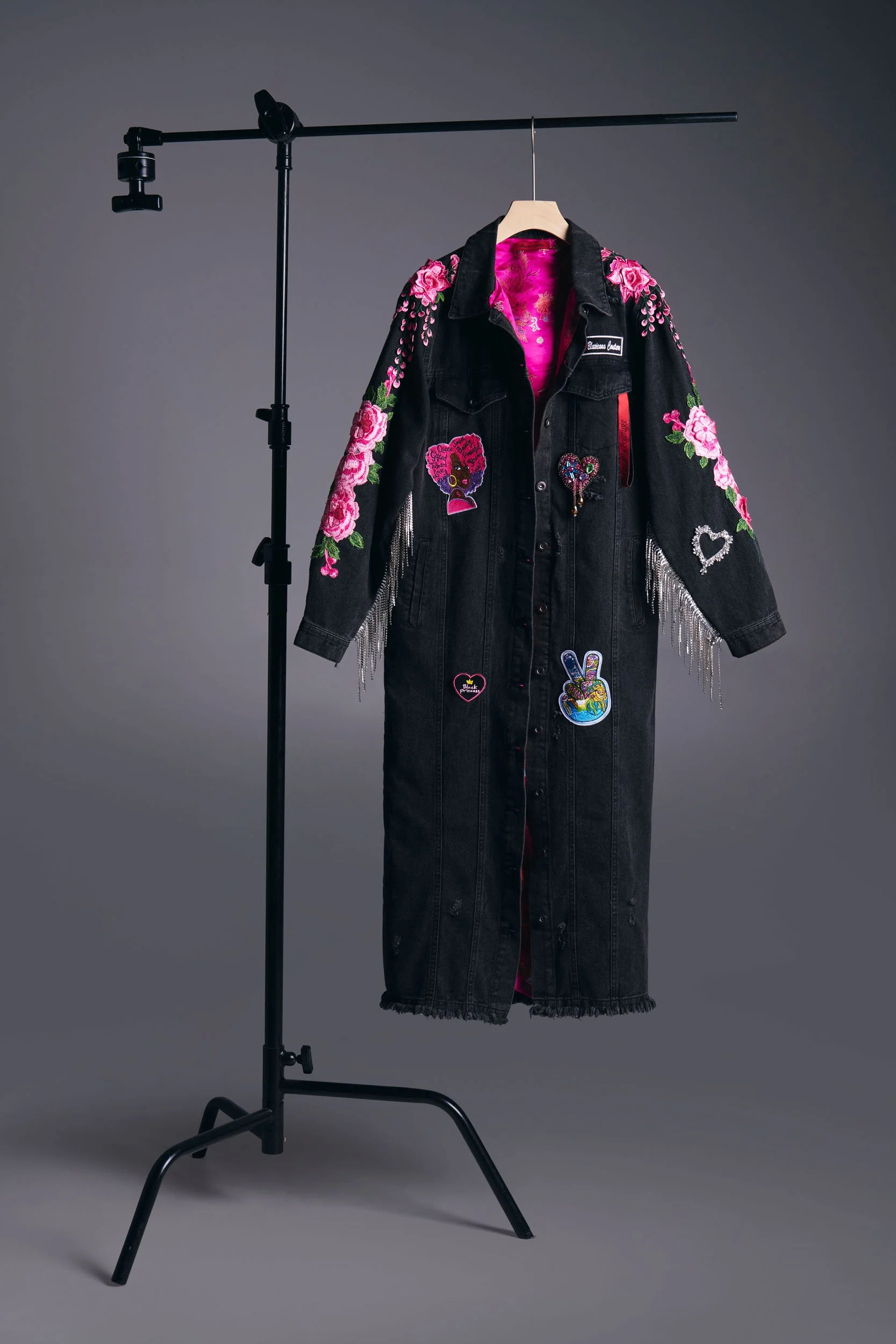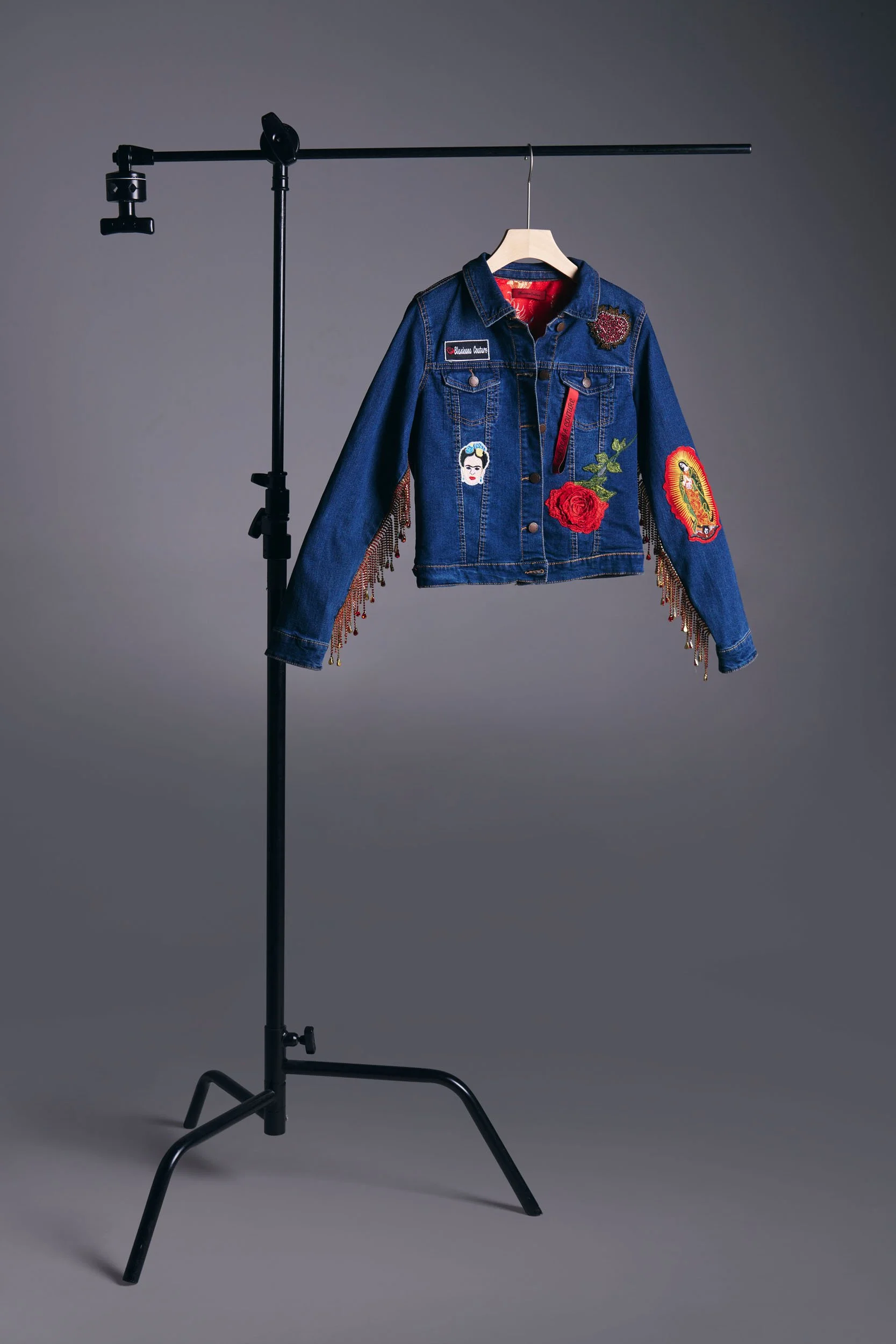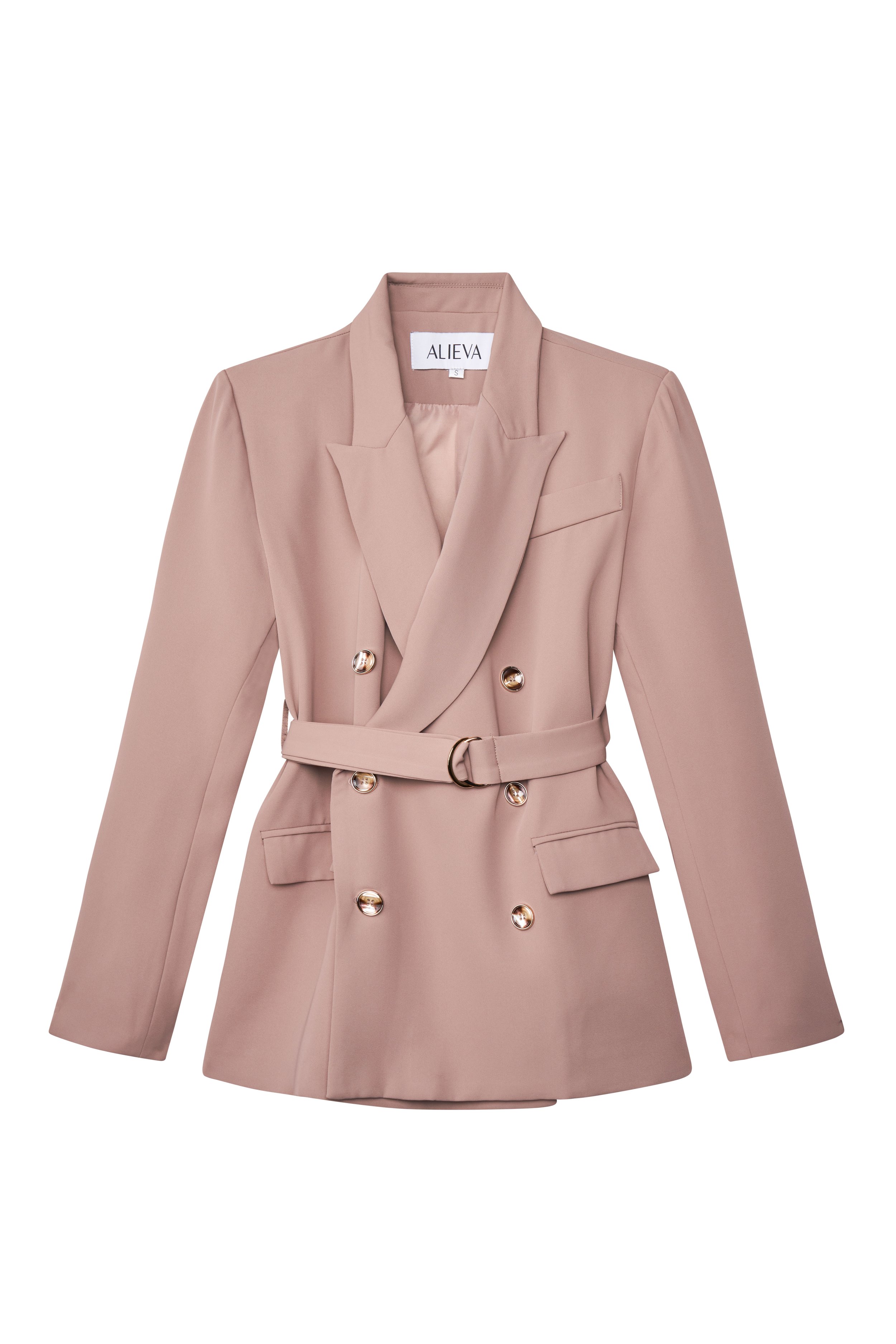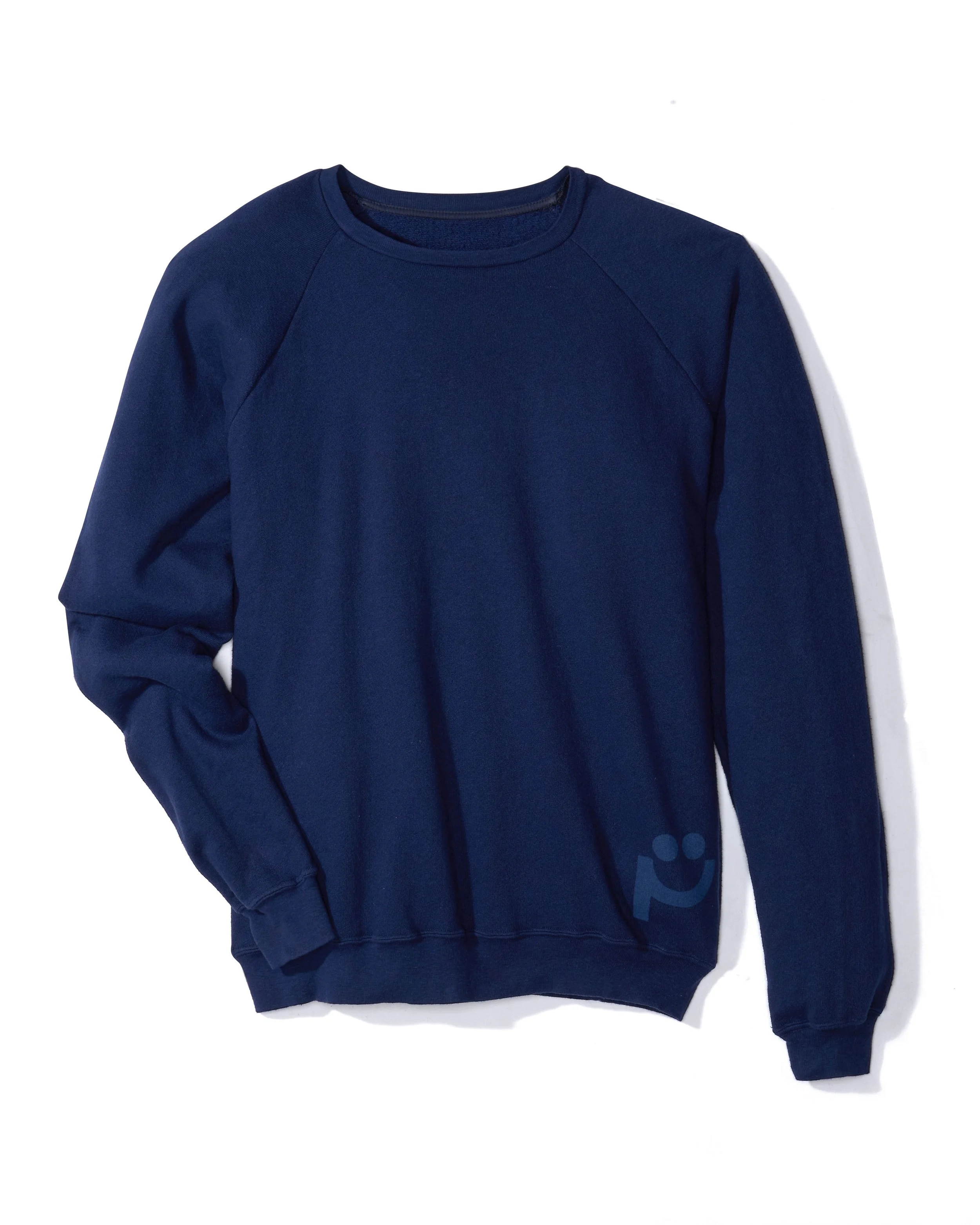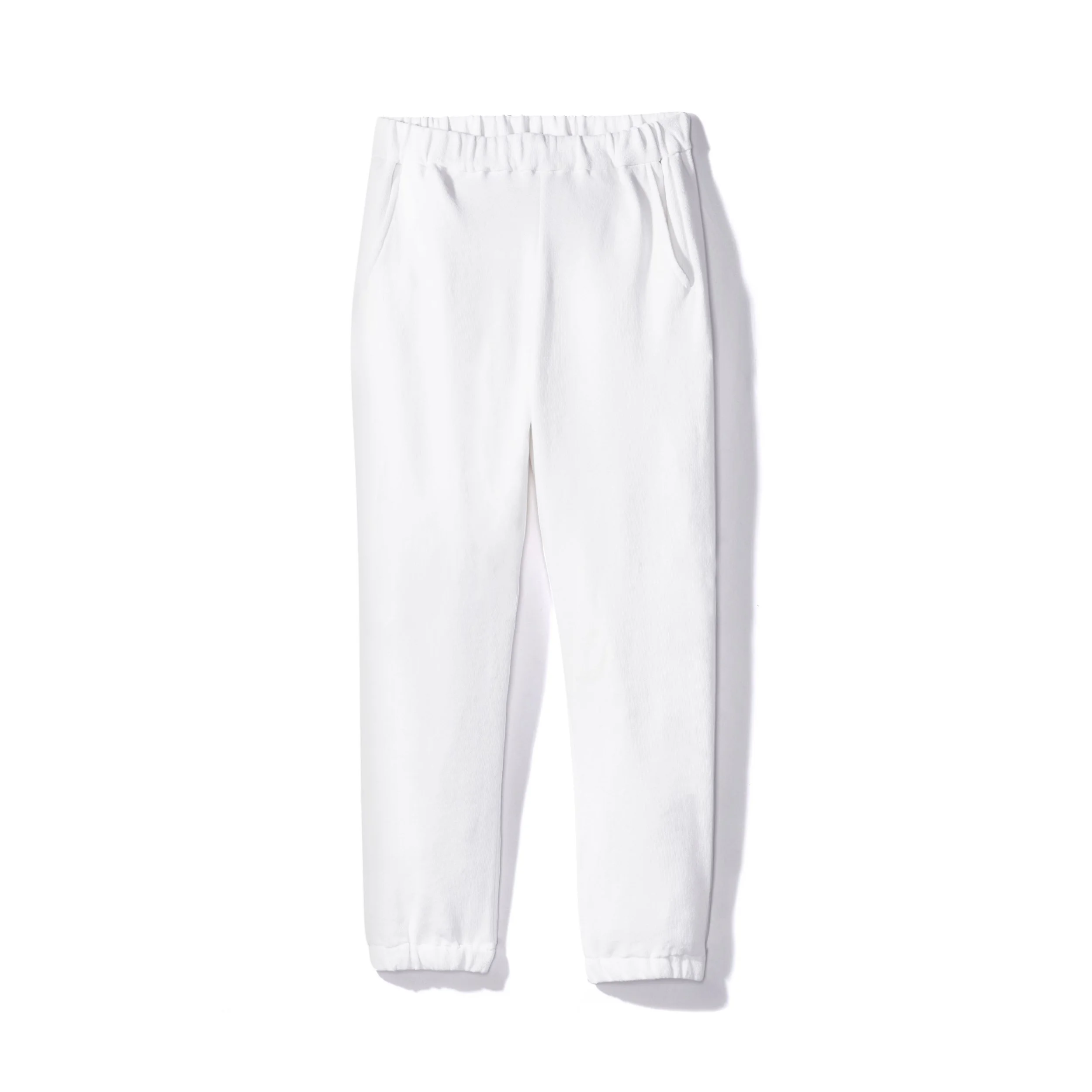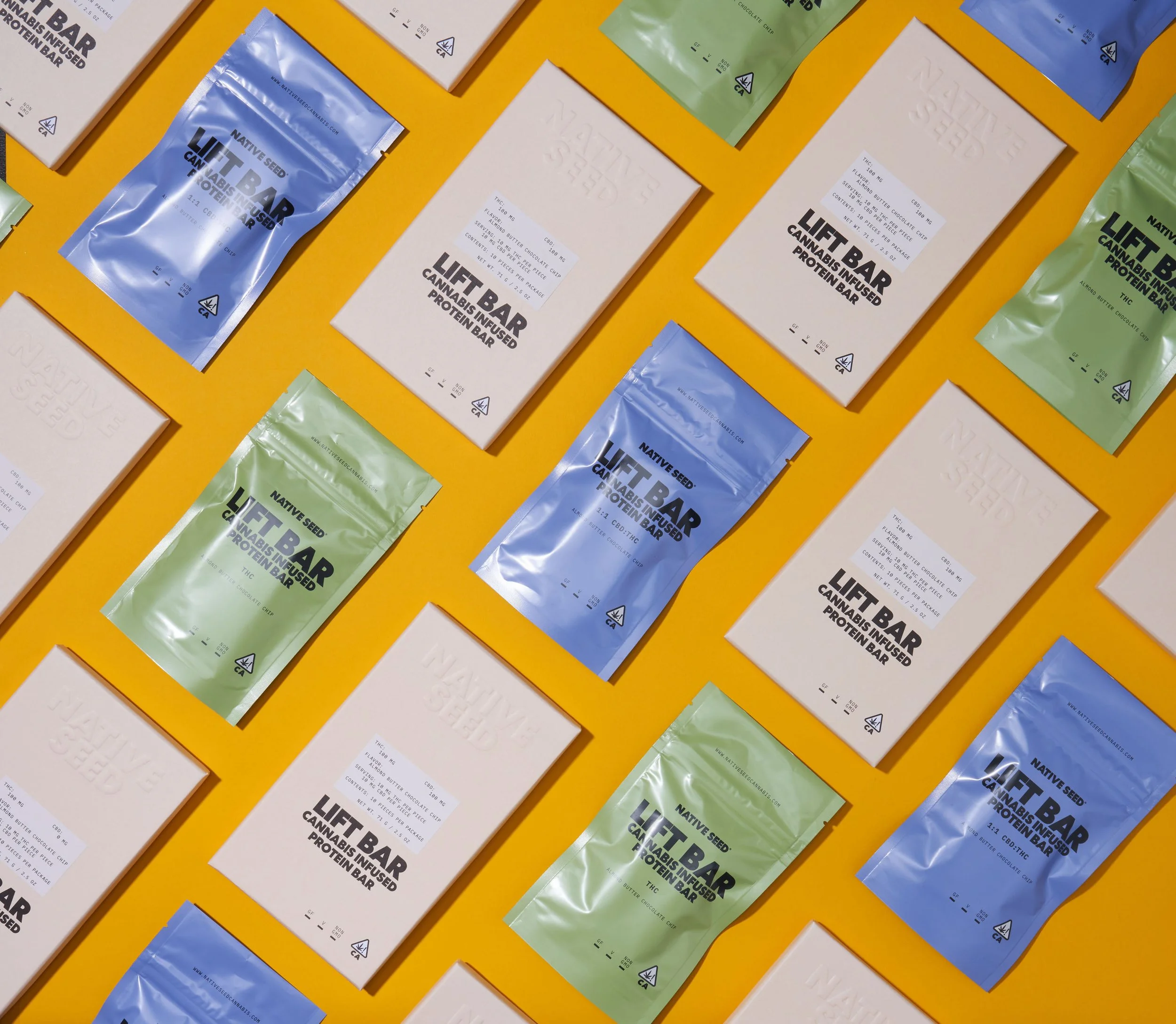
How Better Photography Can Cut Down Your Paid Ad Costs (And Improve CTR)

Most brands think improving ad performance starts with targeting, bidding, or copy. And while those matter, they are rarely the real bottleneck.

More often, the biggest friction point is much simpler: the photography.

Paid ads are a visual-first playground. Platforms decide how often to show your ad based on engagement signals, and users decide whether to pay attention based on the first fraction of a second. If the image doesn’t land, nothing else matters—not the headline, not the targeting, not the offer.

Stronger product photography doesn’t just make your ads look better.

It reduces cost. It improves click-through rate. It increases efficiency across the entire marketing system.

And in some cases, it’s the difference between a profitable campaign and a losing one.

Here’s why the quality of your product photography plays such a direct role in ad performance—and why brands that invest in strong visuals almost always spend less to get better results.

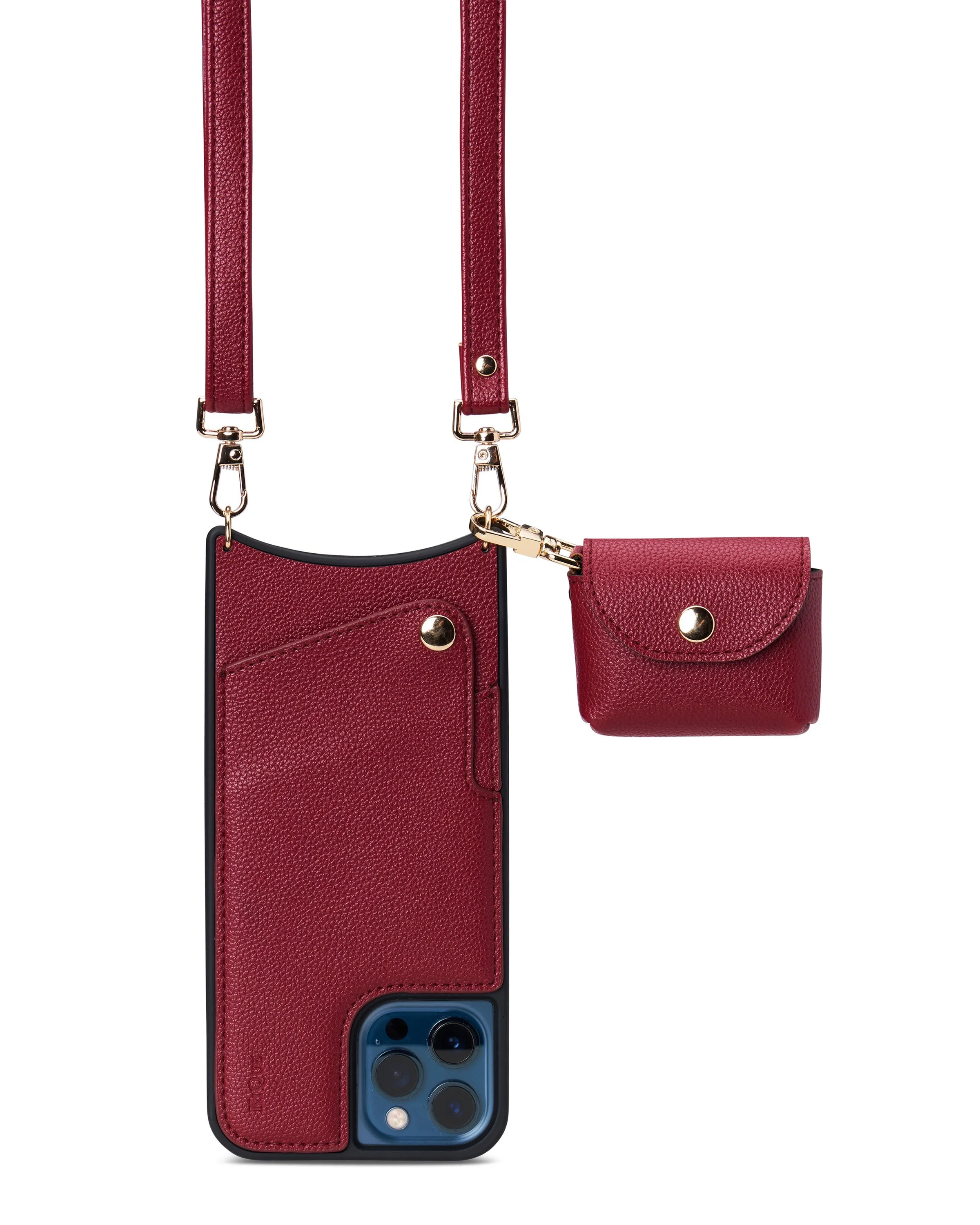
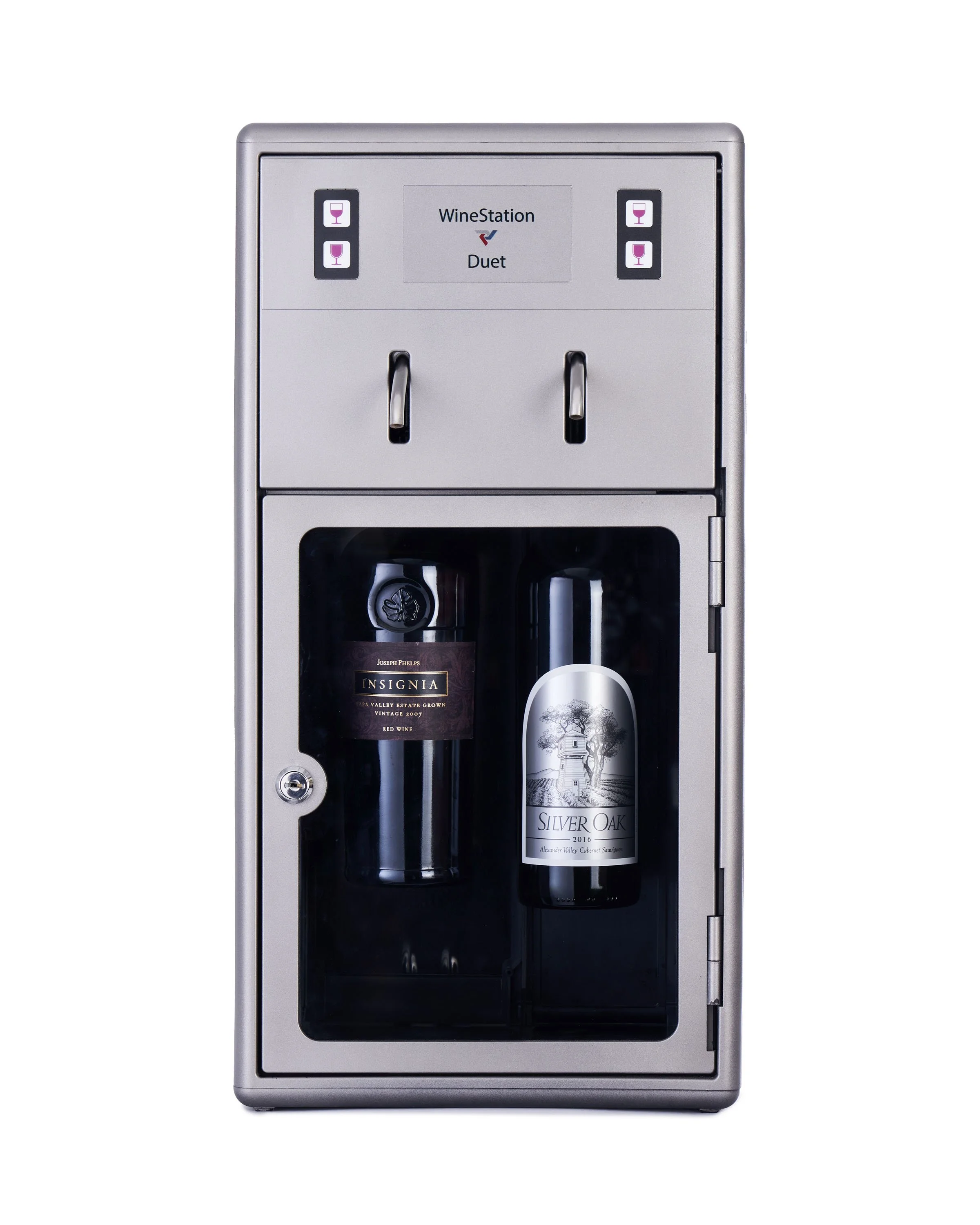
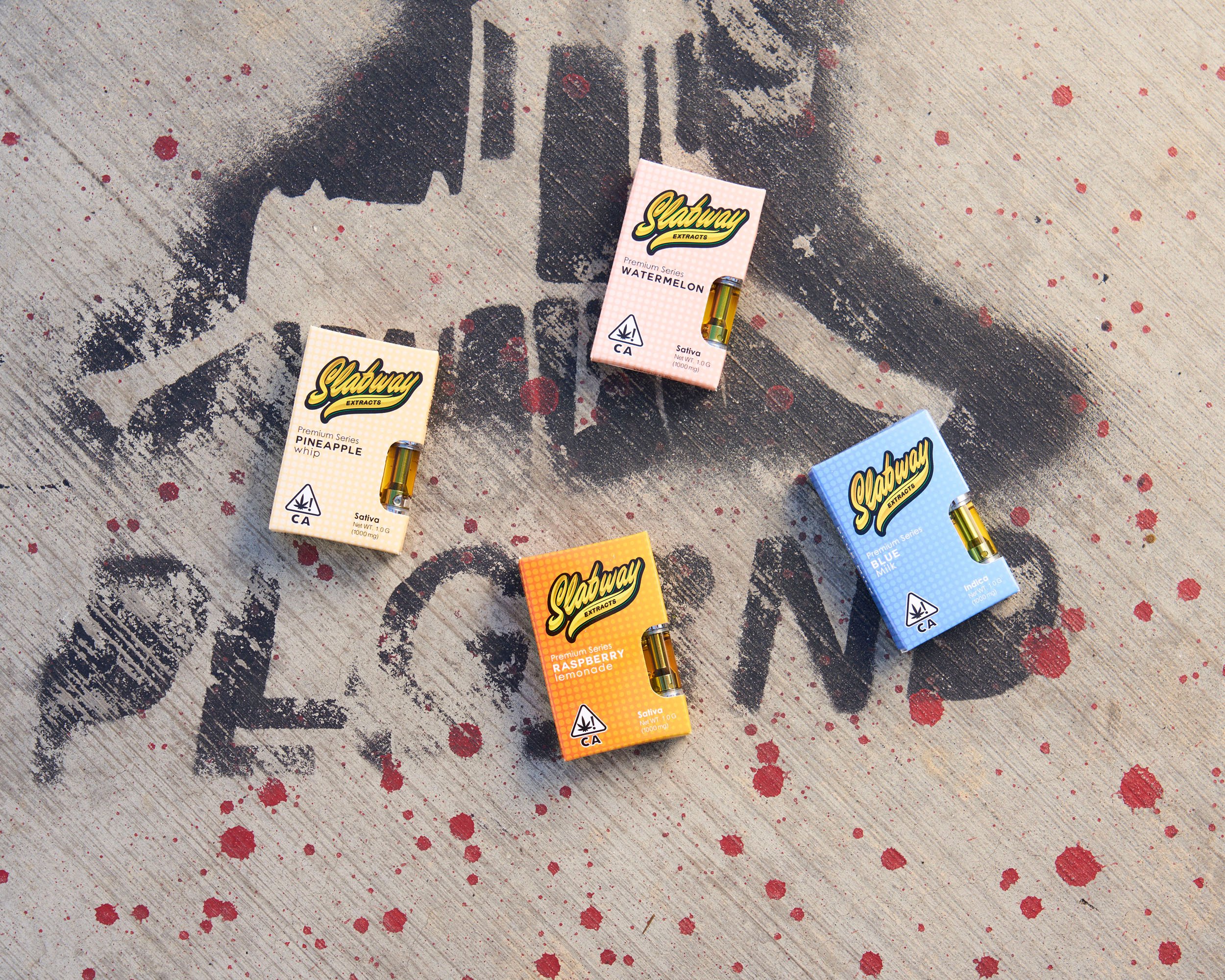
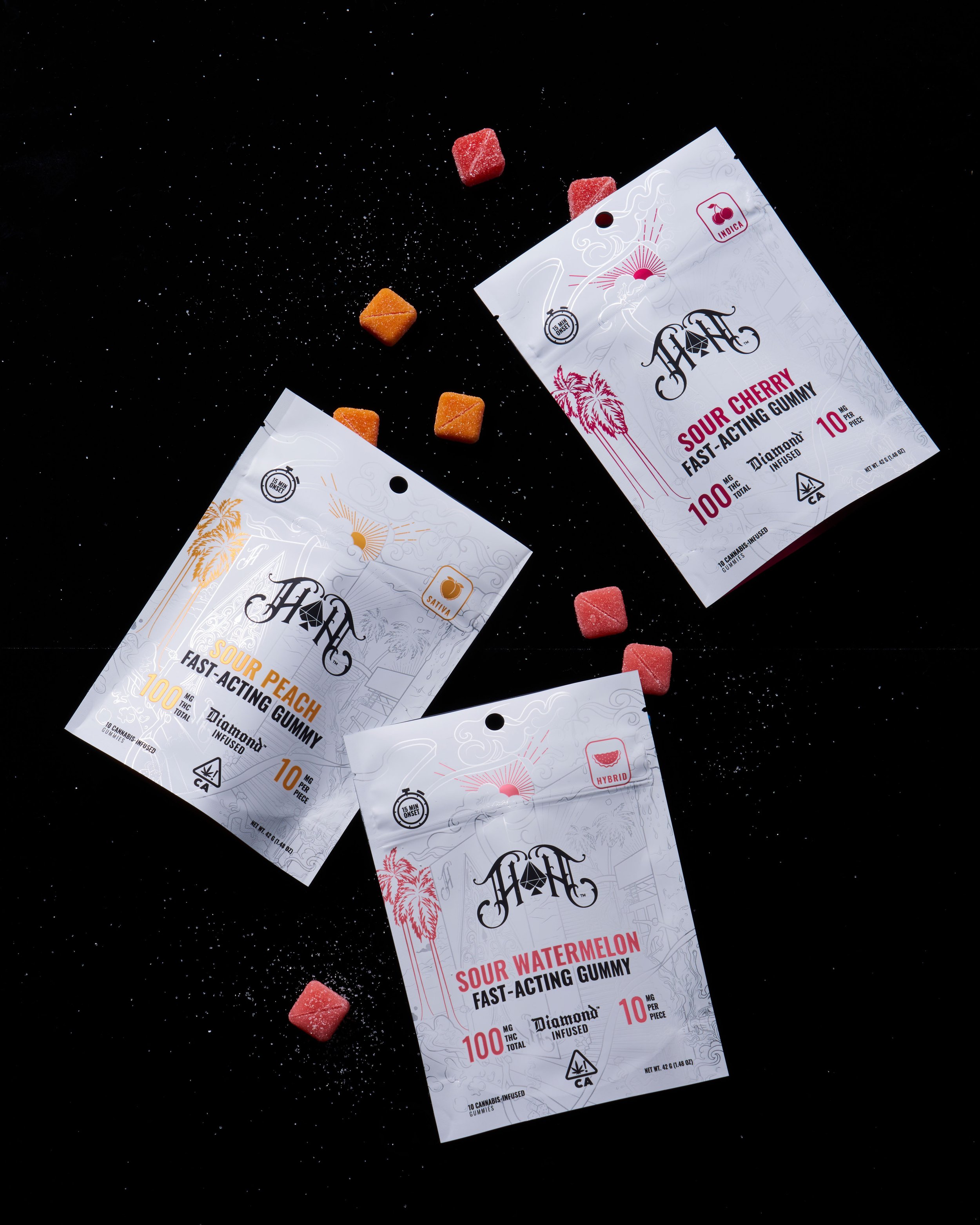
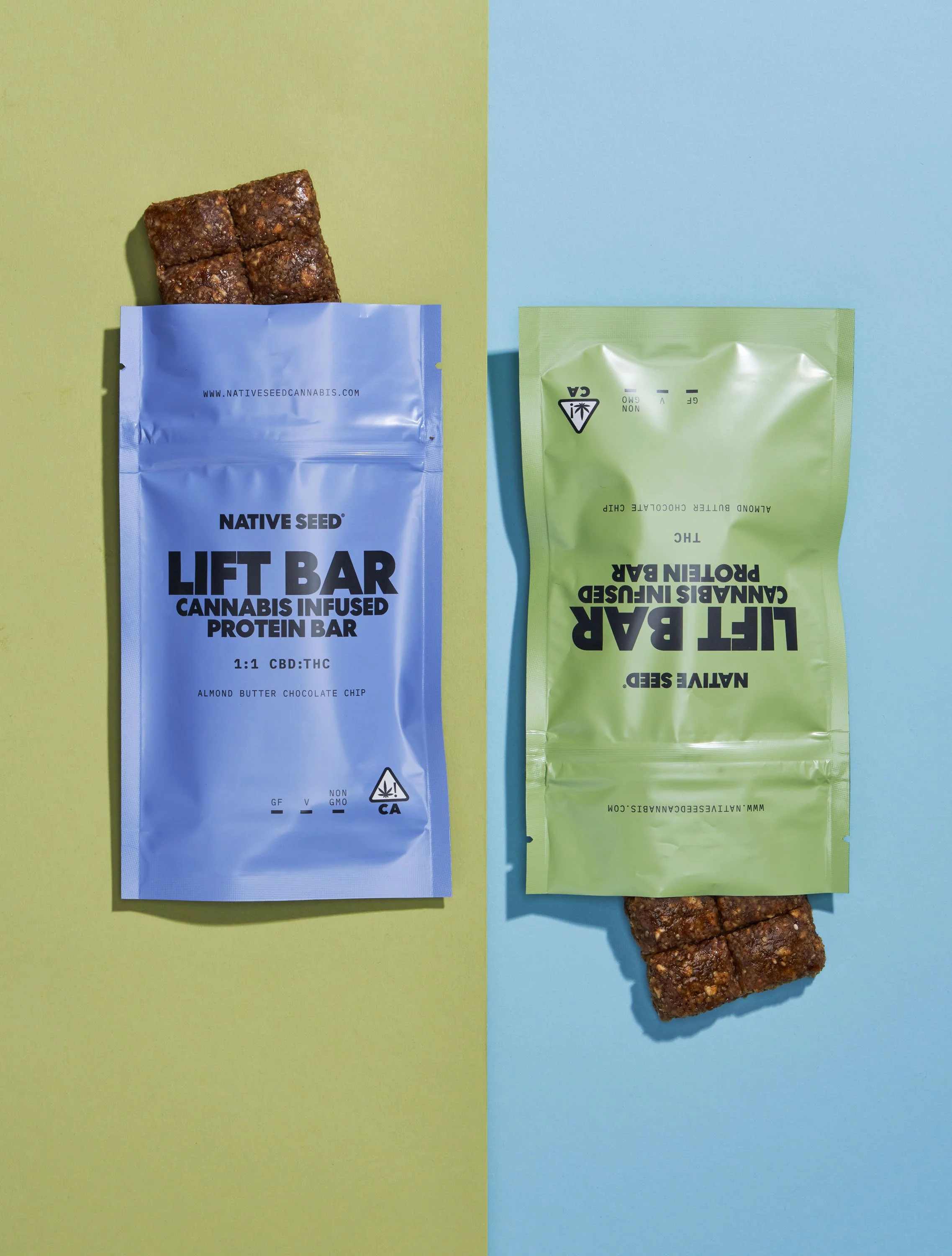
Lifestyle context makes the product feel relevant before the ad even explains it. ©Rare Studio LA

1. Better Photography Captures Attention Faster

Paid ad platforms are built around one principle: show users something they’ll stop for.

Photography that’s dark, cluttered, poorly lit, or visually confusing gets ignored instantly. The user scrolls, the platform notices, and your ad is deprioritized.

Strong visuals grab attention because they:

  • Create immediate clarity

  • Highlight the product's shape and features

  • Communicate value before any text appears

  • Look cleaner and more premium than the surrounding content

When your main image earns the “pause,” everything else—from headline to CTA—has a chance to work.

Skipping this step is what leads to high impressions and low CTR.

2. High-Quality Images Improve Relevance, Which Lowers CPM

Ad platforms want to show content that users actually engage with.

This is why better photos often lead to lower costs.

When users linger on an image—through viewing, clicking, or interacting—the platform rewards the ad with:

  • Lower CPM

  • More favorable placement

  • Higher delivery volume

  • Stronger algorithmic distribution

Poor photography signals irrelevance, which raises costs. Even before you consider creative strategy, the image itself influences how the platform prices your traffic.

Good photography doesn’t just look premium—it behaves like relevance fuel for the algorithm.

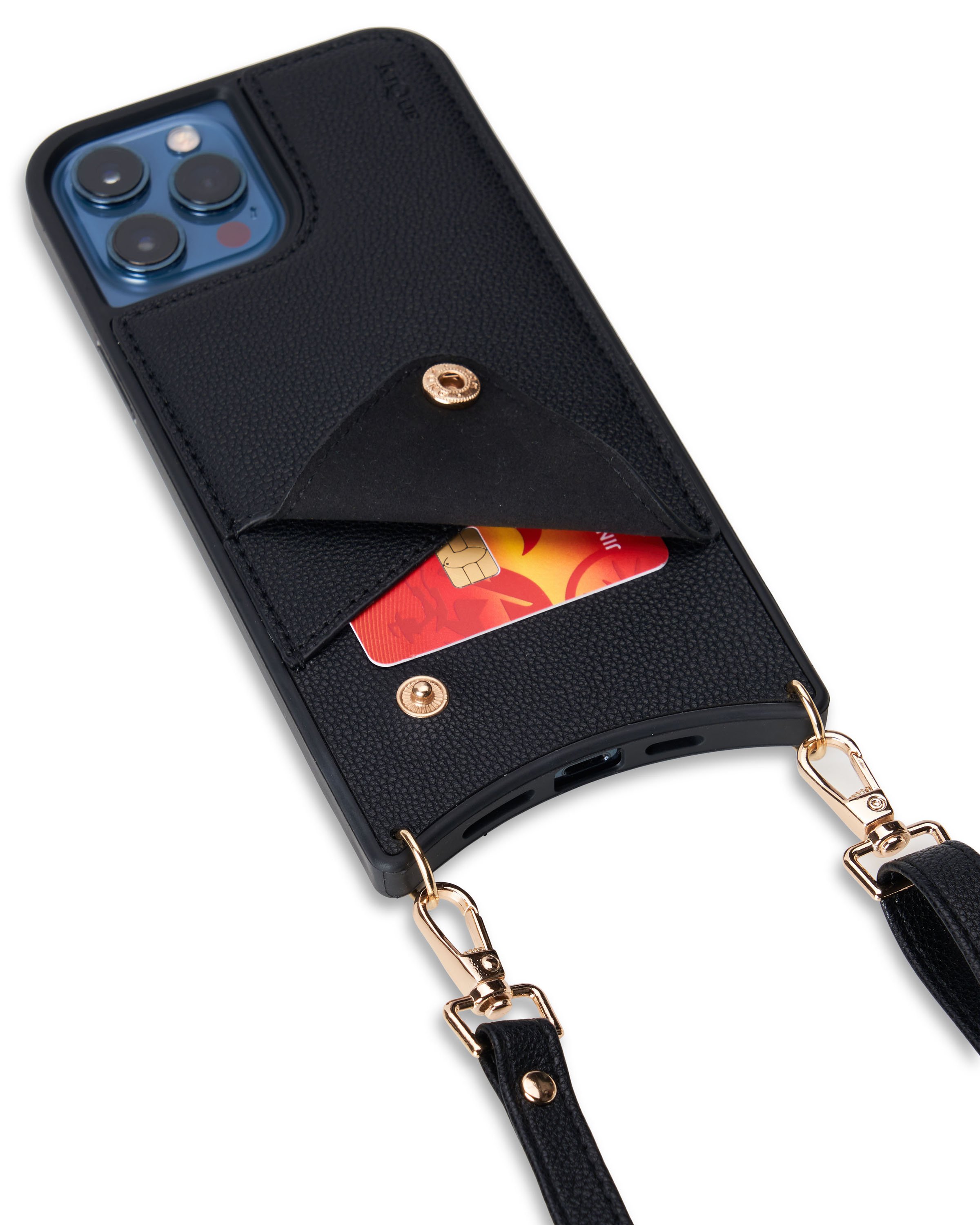
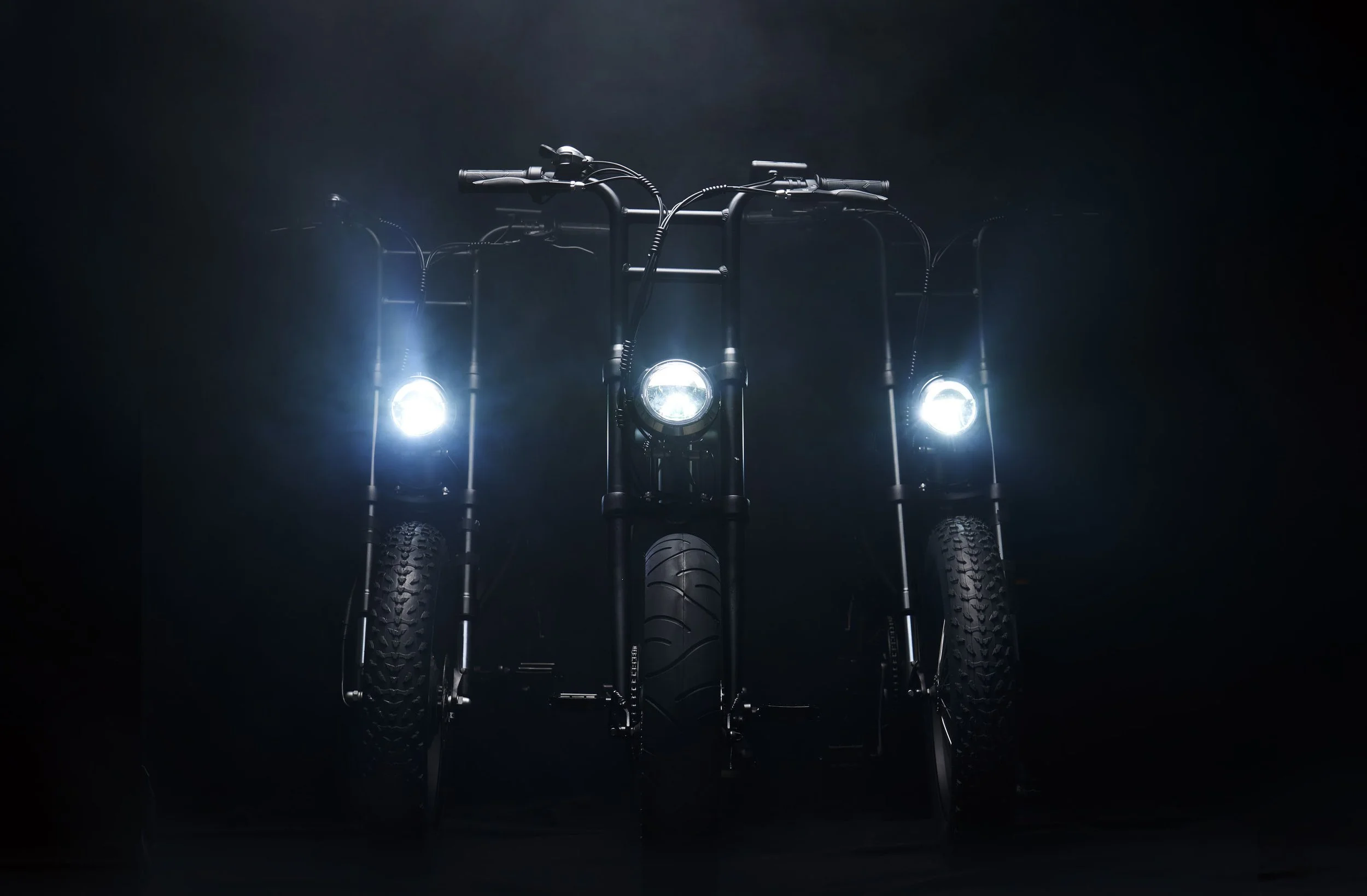
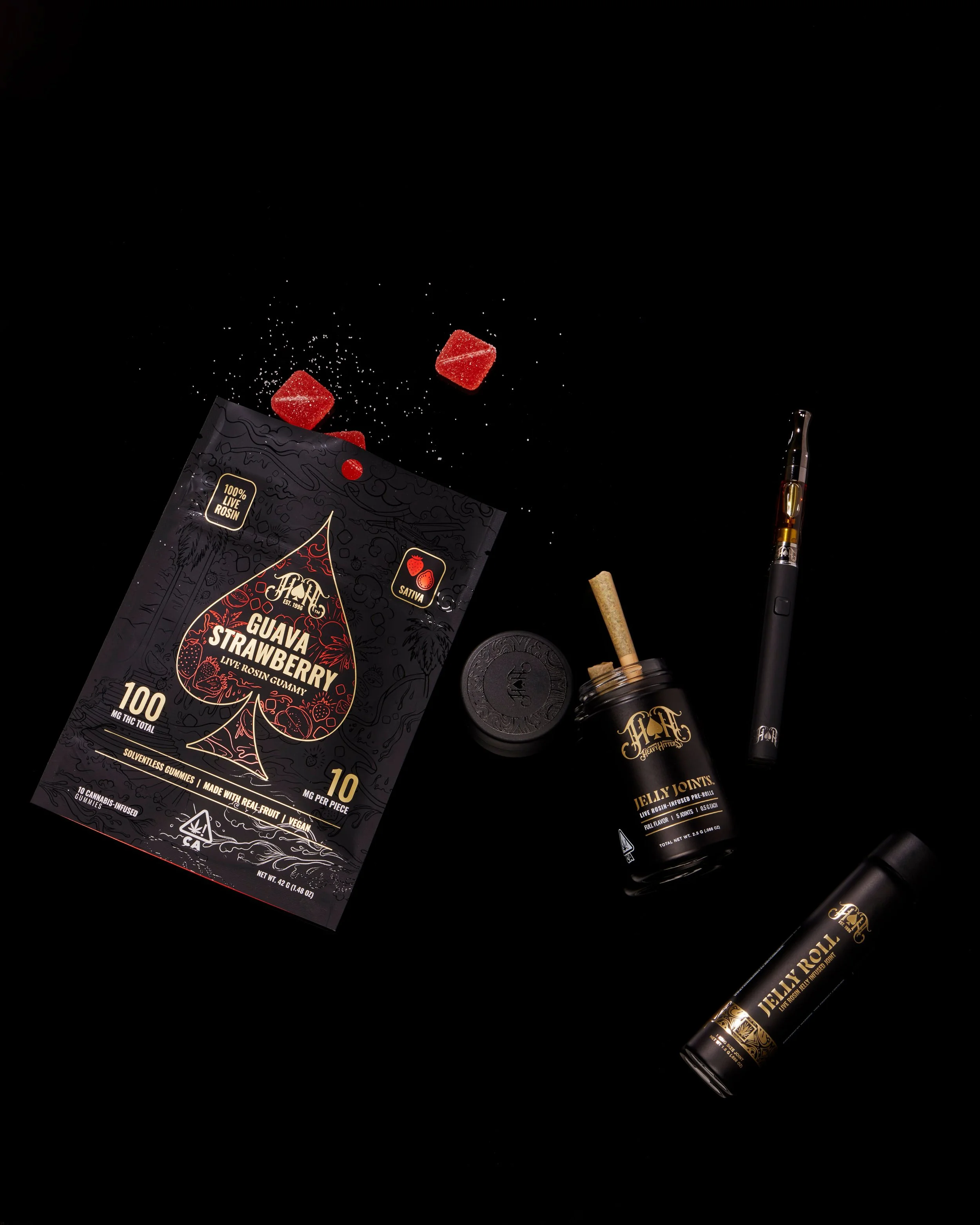
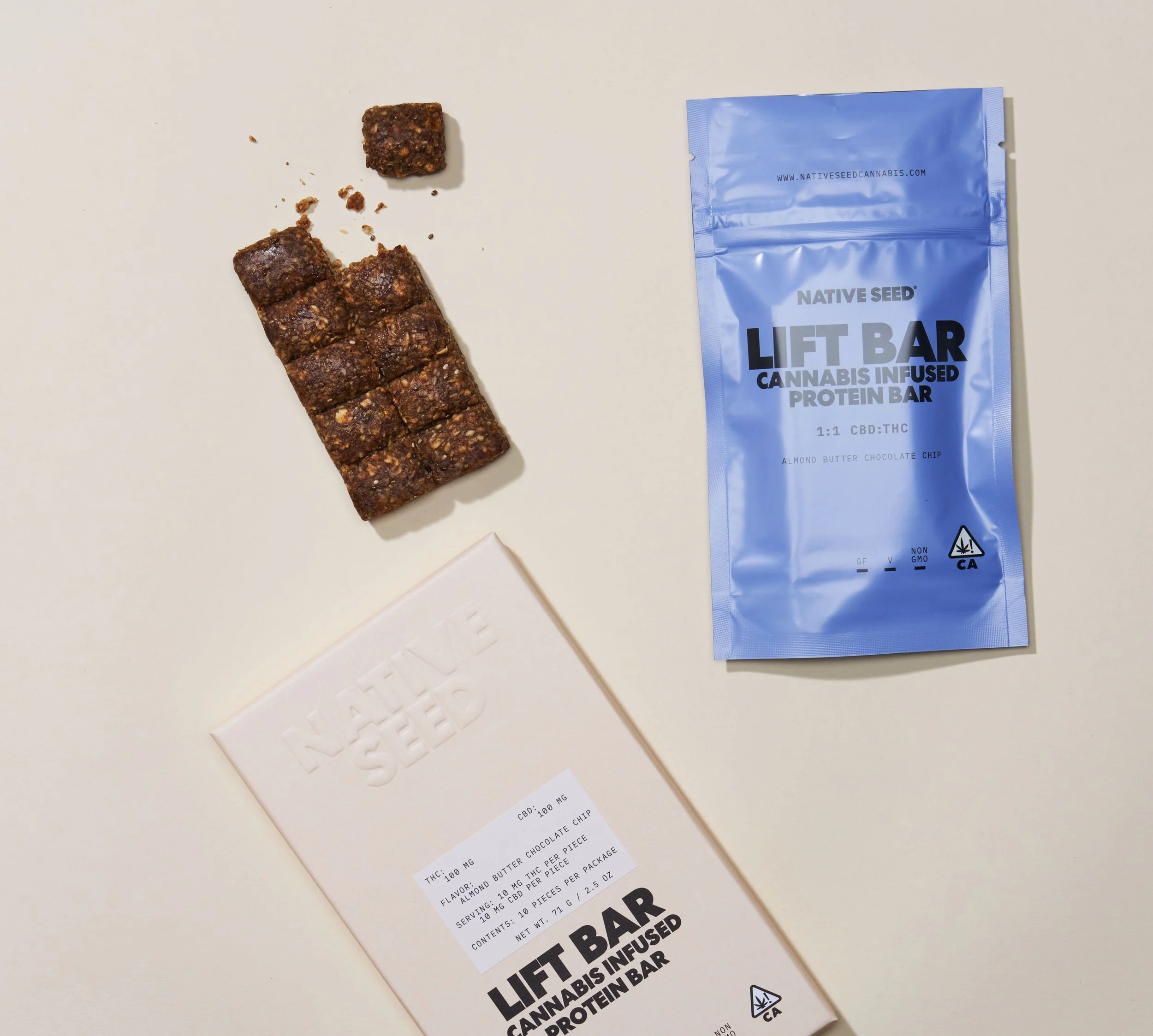
Clear product focus helps users understand value in the first second. ©Rare Studio LA

3. Clean, Clear Product Photos Increase Click-Through Rate

CTR is one of the most sensitive metrics in paid media.

And photography is one of the biggest contributors.

Low CTR usually comes from:

  • Photos with no focal point

  • Distracting shadows or reflections

  • Weak product definition

  • Low contrast

  • Inaccurate or dull colors

  • Lifestyle images that bury the product

High CTR comes from visuals that communicate value instantly.

If users understand the product clearly and quickly, they’re far more inclined to click.

Photography is the difference between someone scrolling past you and someone deciding, “I want to learn more.”

4. Good Photography Creates More Effective Creative Variations

Ad testing requires creative variations—new angles, new crops, new layouts, new hooks.

Weak photography limits what you can test. Strong photography multiplies what’s possible.

Better images allow you to easily generate:

  • High-impact close-ups

  • Crops showing texture and materials

  • Comparison graphics

  • Benefits-focused overlays

  • Colorway variations

  • Seasonal edits

  • UGC-style hybrids

  • Thumbnail concepts for video ads

With a good photo library, you can test more ideas without redesigning everything from scratch.

Creative teams move faster.

Ad buyers get more data.

Campaigns perform better.

Your paid ads become a flexible system, not a one-off execution.

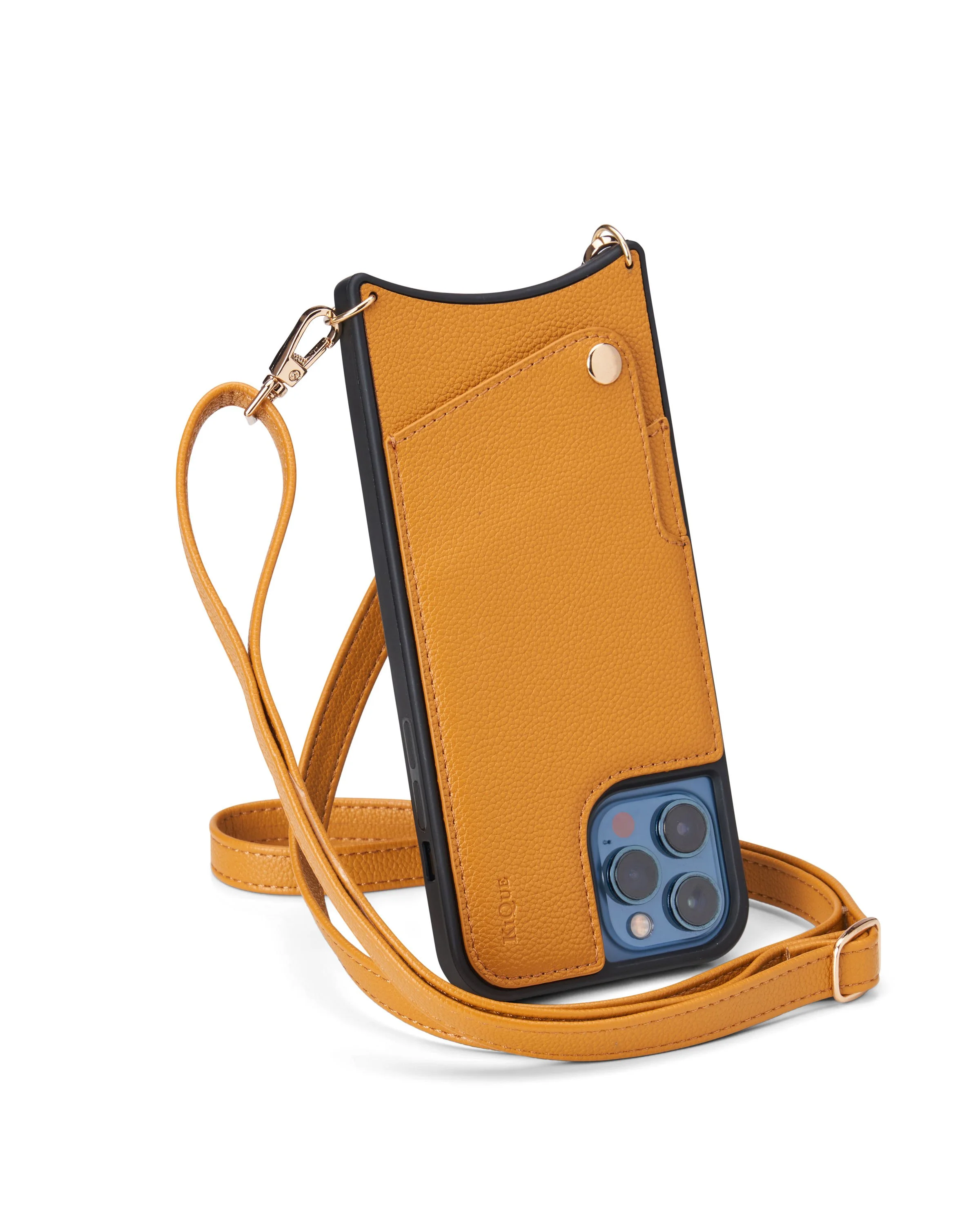
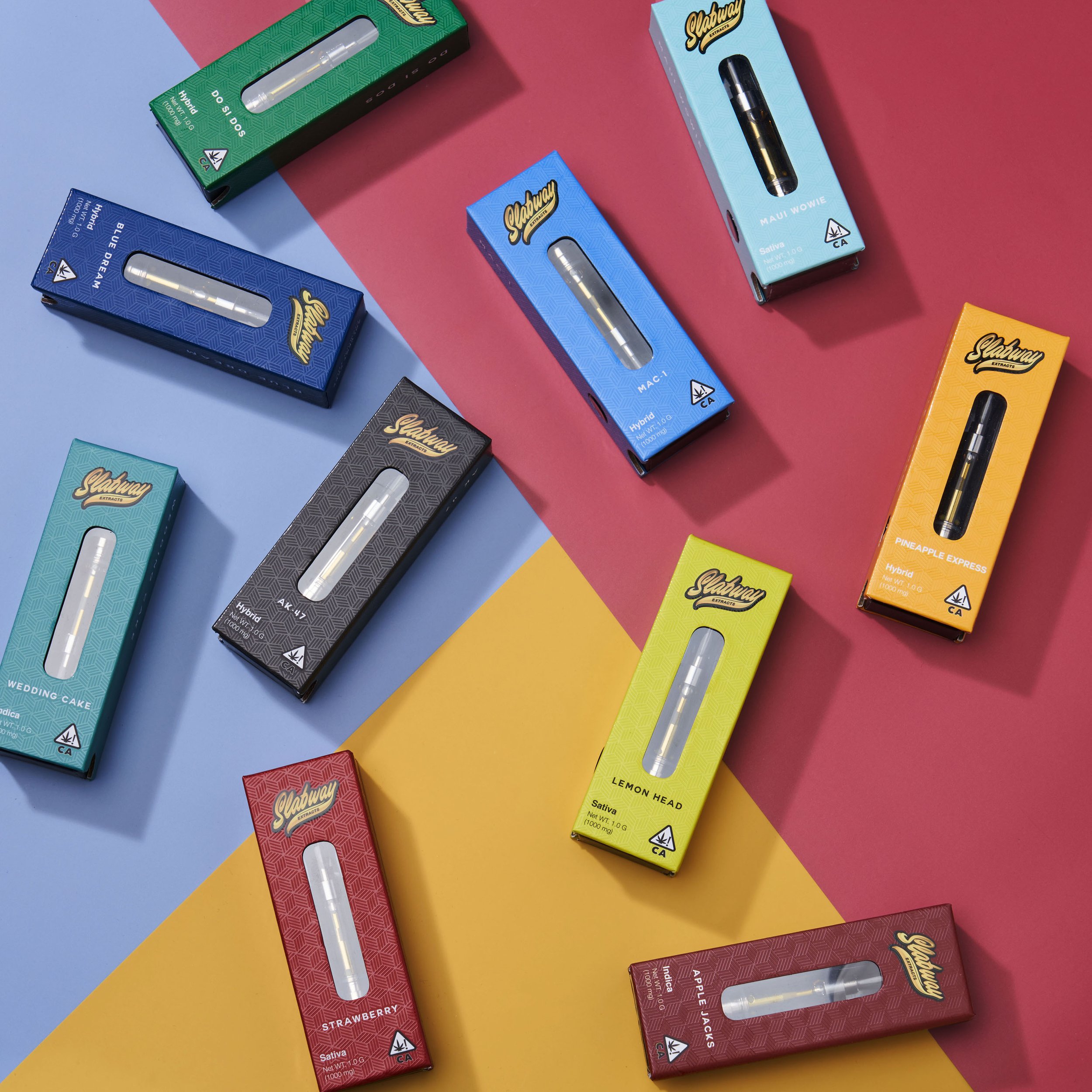
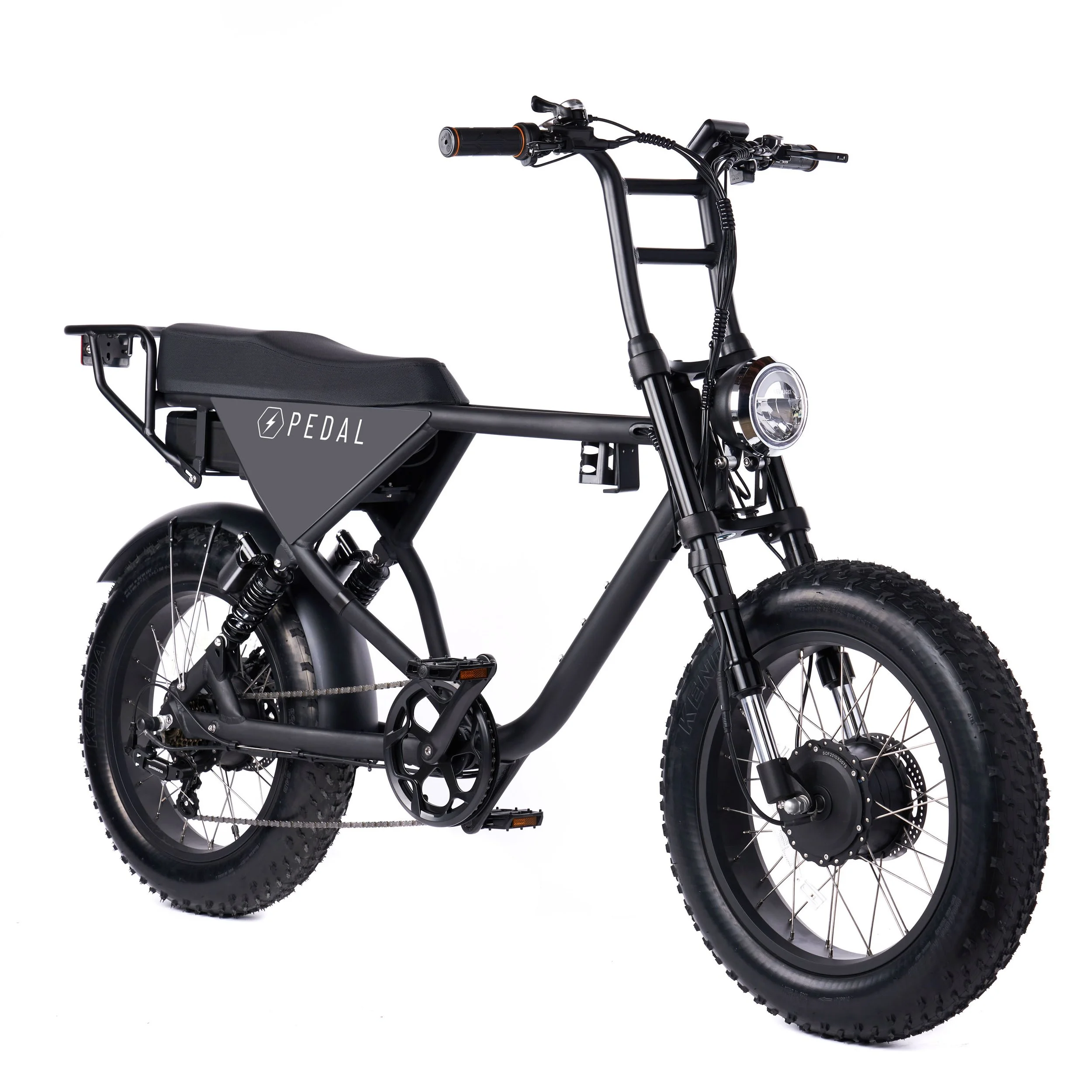
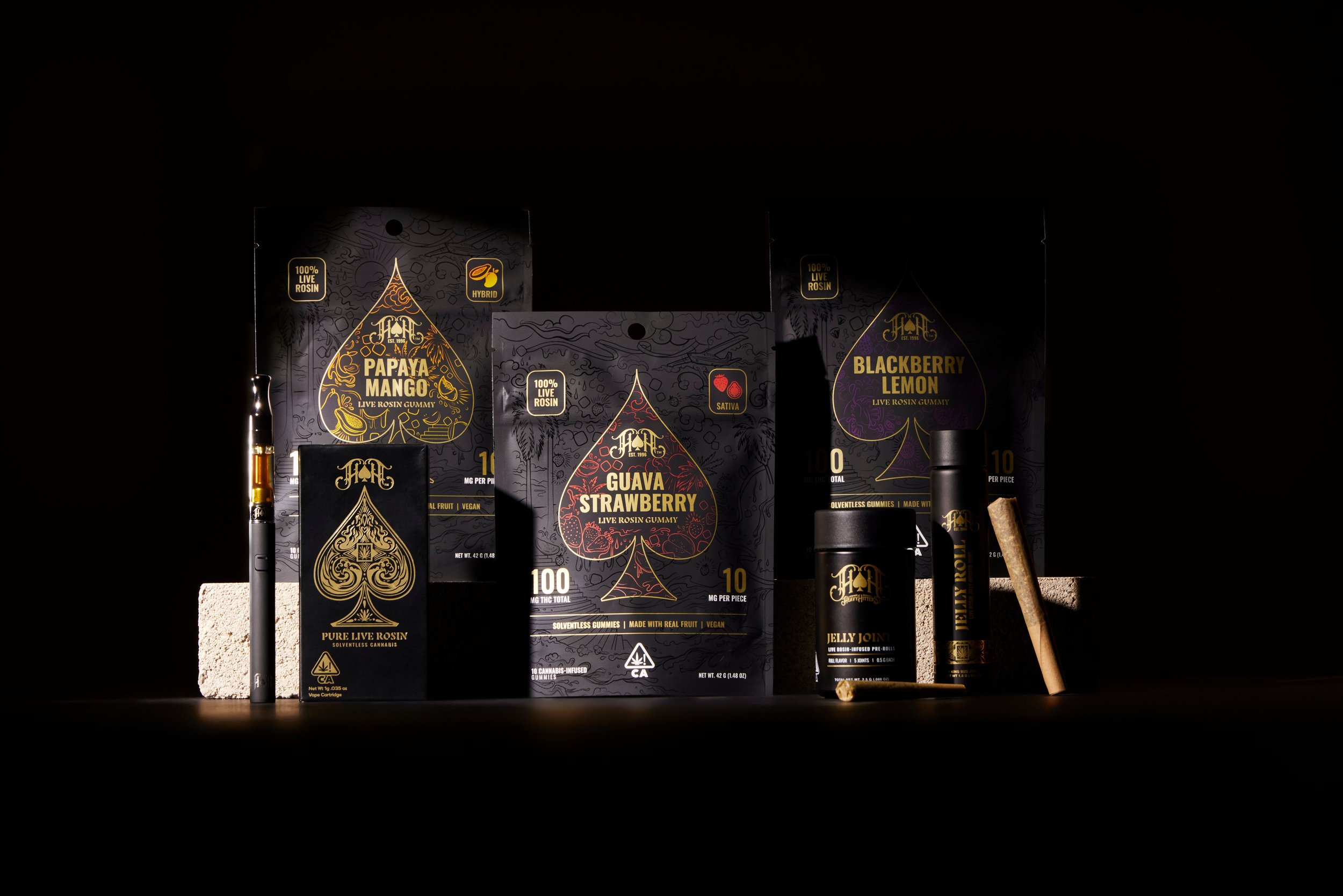
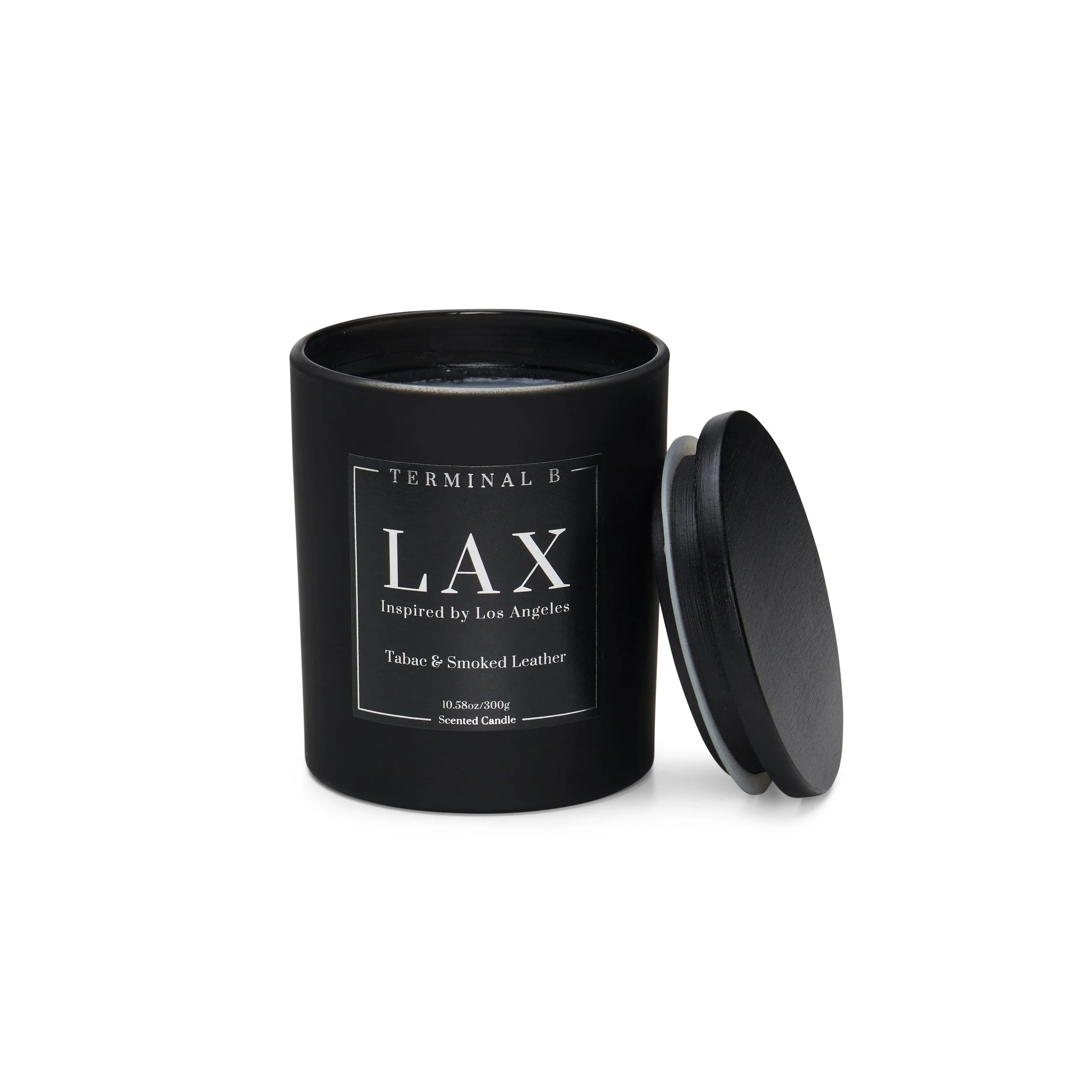
Good photography shows how the product fits into real daily routines. ©Rare Studio LA

5. Accurate Colors Reduce Returns and Increase Conversion Rate

One of the biggest challenges in paid ads is expectation-setting.

If the color, texture, or finish of the product looks different in the ad than in real life, you don’t just lower your conversion rate—you increase returns.

Accurate photography reduces:

  • Customer confusion

  • Misaligned expectations

  • Drop-offs in the funnel

  • Frustration during unboxing

When your paid ads accurately represent your product, every downstream metric improves—CPC, CTR, CVR, LTV.

Good photography isn’t just about the first click.

It’s about the entire path that follows.

6. Strong Visual Identity Makes Your Ads Easier to Recognize

Paid ads work better when they feel like part of a brand—not generic ecommerce content.

Consistent photography:

  • Builds brand recall

  • Helps customers recognize your ads within seconds

  • Increases perceived trust

  • Strengthens multi-touch attribution

  • Improves performance across retargeting

When your ads feel visually interchangeable with everyone else’s, your brand loses its competitive advantage.

Strong photography turns your ads into a recognizable system.

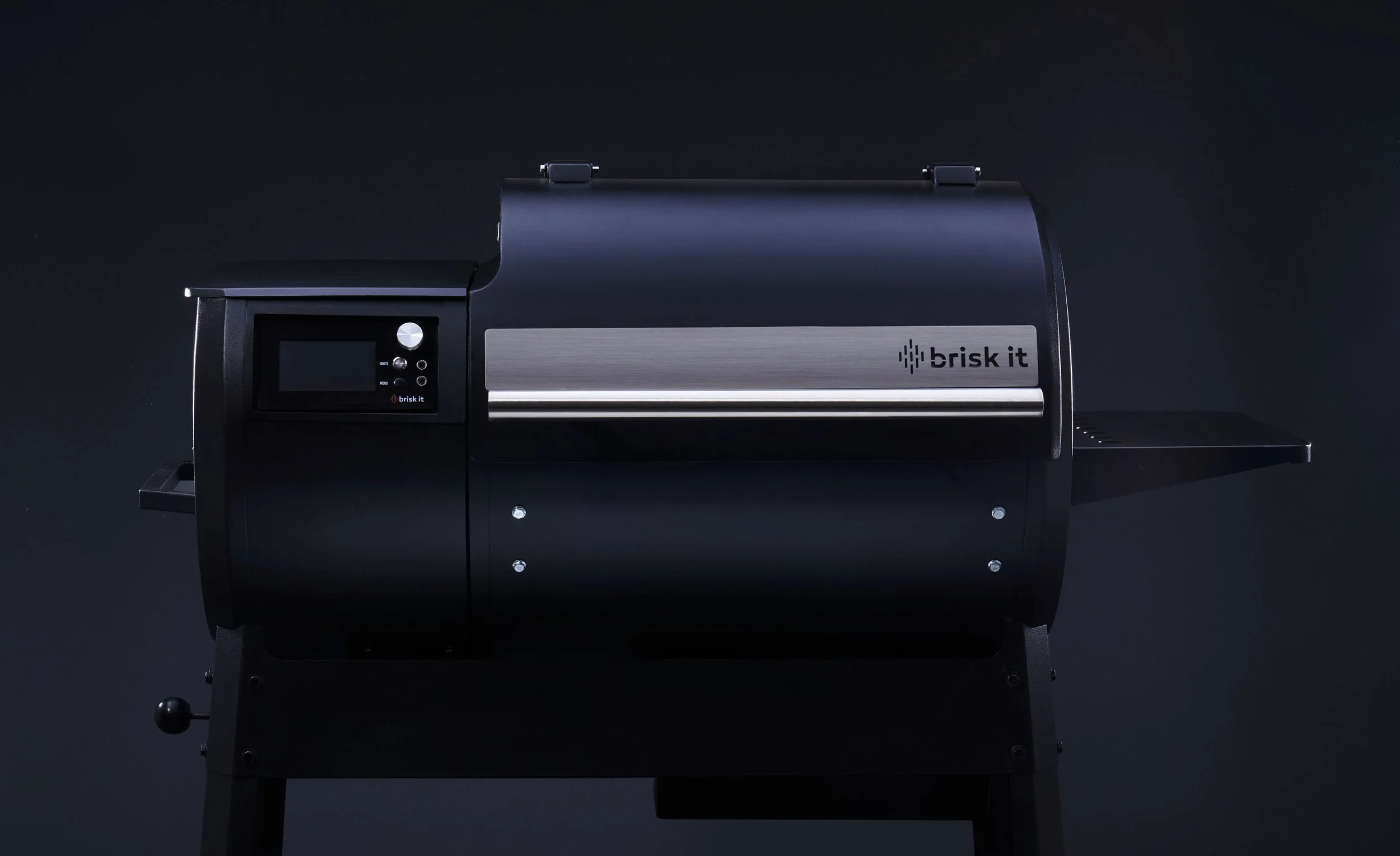
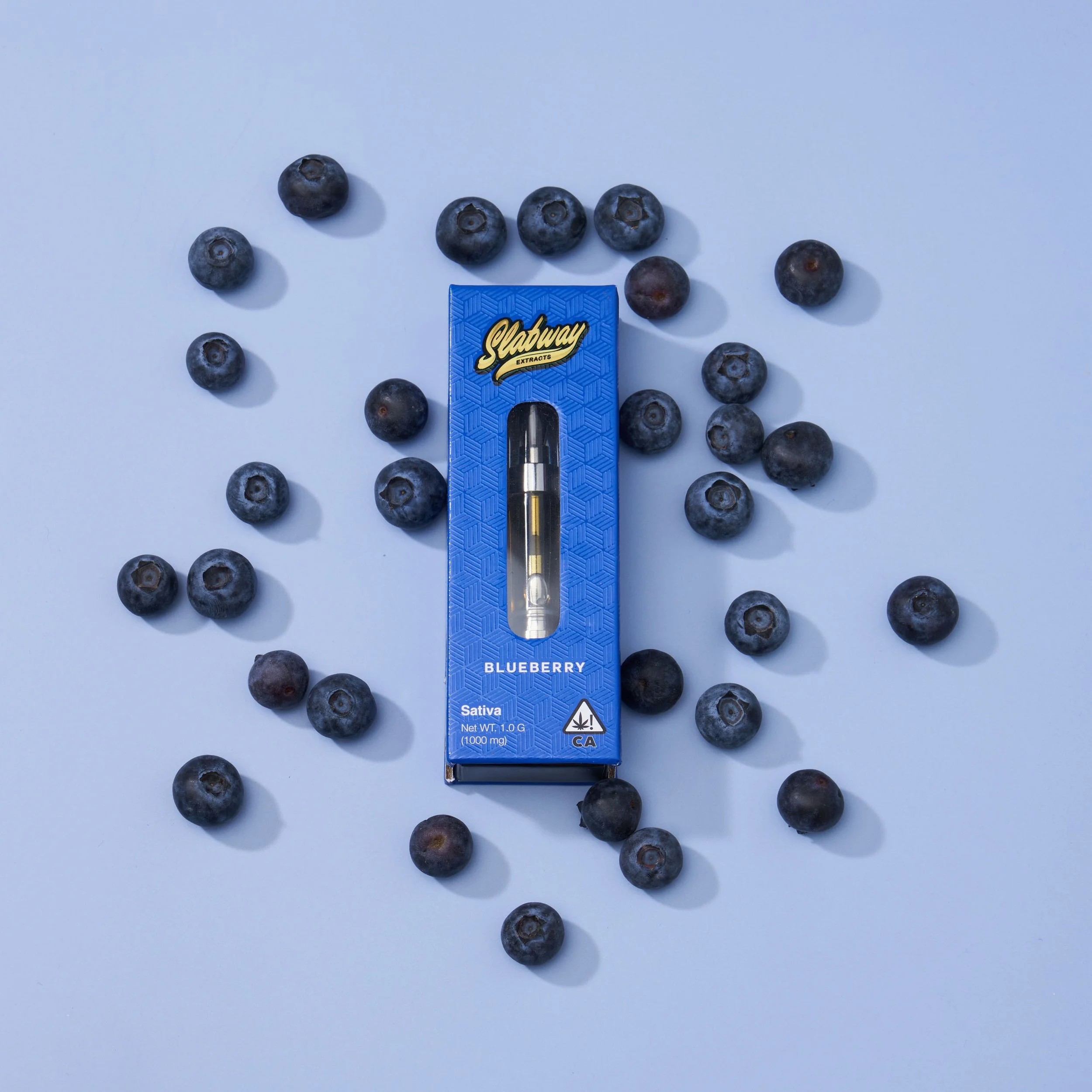
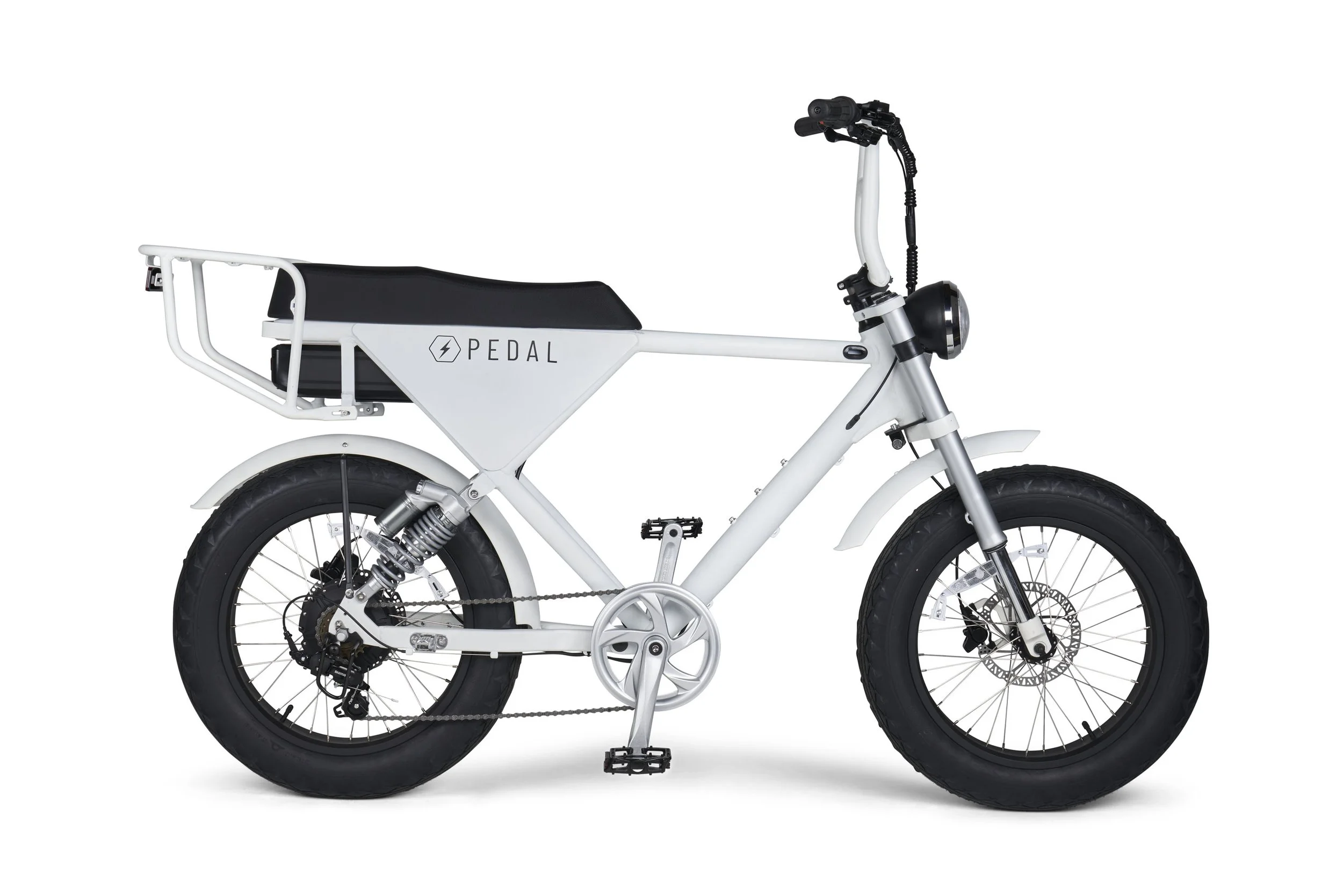
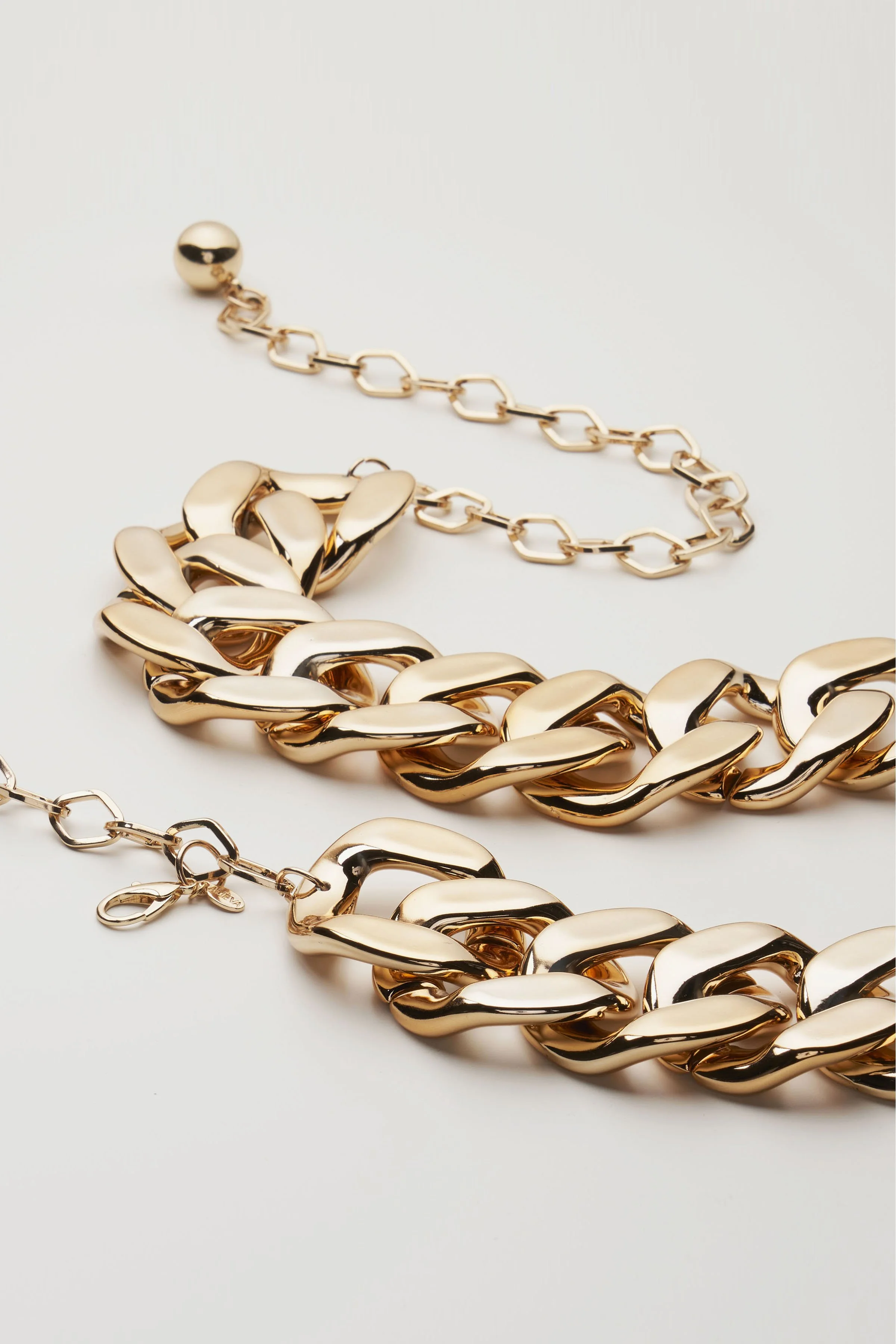
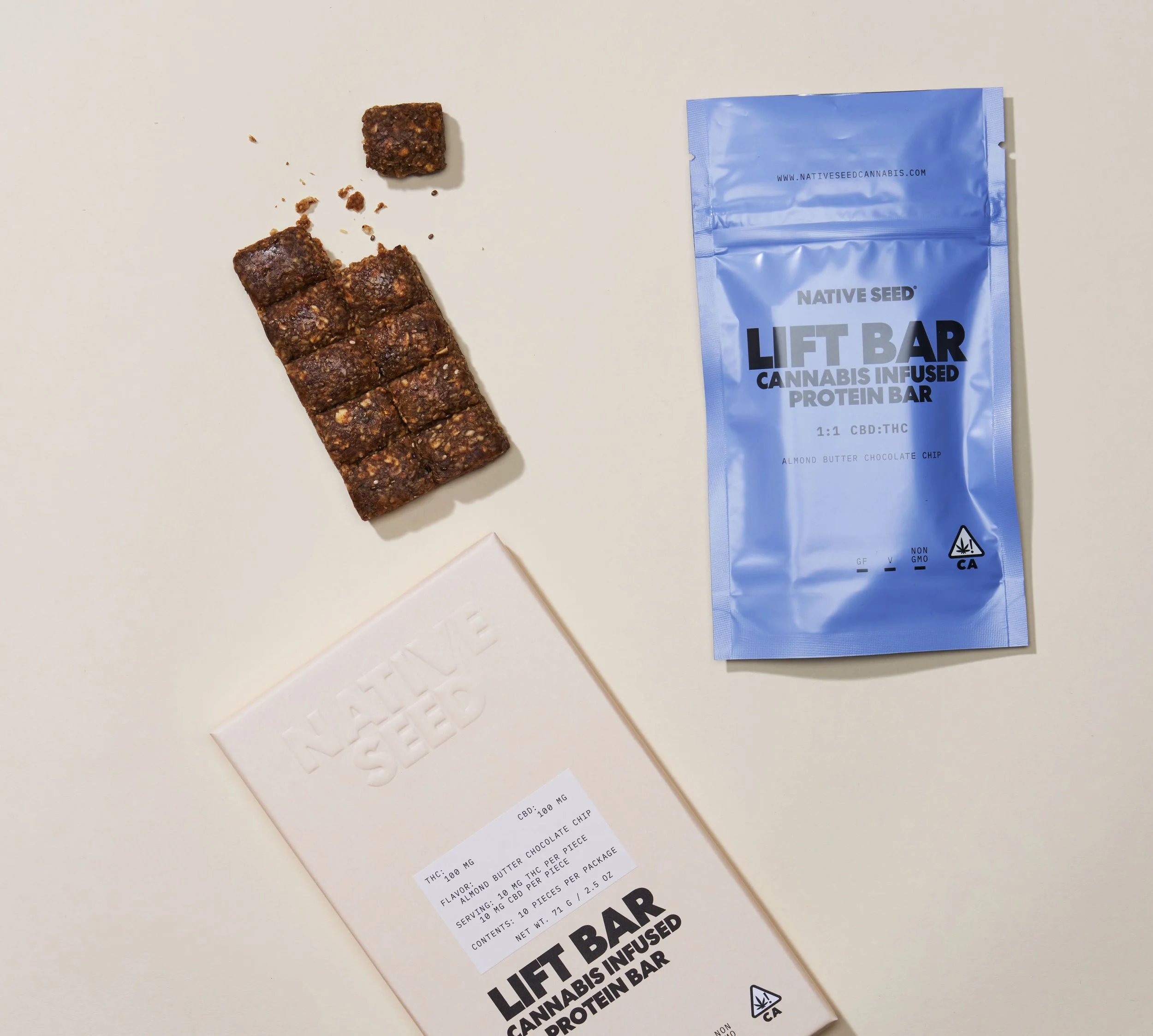
Clarity and color accuracy directly impact click-through and trust. ©Rare Studio LA

The Bottom Line: Better Photography = Cheaper Ads + Higher Performance

Improving your visuals isn’t just a creative upgrade—

it’s a performance upgrade.

Better photography:

  • Improves CTR

  • Lowers CPM

  • Enhances ad relevance

  • Strengthens campaign consistency

  • Reduces production cycles

  • Supports scalable creative testing

  • Increases conversion rate

  • Requires fewer reshoots

The most successful brands don’t treat photography as a cost.

They treat it as the foundation that makes their entire paid media strategy cheaper and more effective.

Tired of expensive, underperforming ads?

Most ad accounts don’t need more targeting tricks—they need visuals designed for clarity, attention, and conversion. When the photography is strong, every dollar you put into paid media goes further.

At Rare Studio LA, we help brands create product images that support performance marketing, not just product pages. If your ads feel stagnant or expensive, the visuals might be the missing piece.

You can explore our work at rarestudiola.com, and you’re always welcome to check our Google reviews to see what other teams say about partnering with us.

5 Ways to Reuse Your Product Photos Across Ads, Email, and Social Media

Most brands dramatically underuse the product photos they already have.

They shoot a full set of images—hero shots, angles, detail shots, lifestyle scenes—and then only use 10–20% of them in their core channels. The rest sit in a folder, untouched, while the marketing team continues to request “new content.”

But strong product photography isn’t single-use.

When done intentionally, the same set of images can support ads, email campaigns, social content, landing pages, and even retail decks—without feeling repetitive.

The key isn’t taking more photos.

It’s knowing how to reuse the photos you already have in strategic, high-impact ways.

Here are five ways to get more mileage out of your existing visual assets.

Lifestyle images power ads, email, and social without extra shoots. © Rare Studio LA

1. Transform Hero Shots into High-Converting Ad Creatives

Your main product images—clean angles, hero compositions, detail shots—can easily become ad-ready creative with minimal adjustments.

Ways to repurpose:

  • Add simple headlines or value propositions

  • Use crops to isolate materials and textures

  • Build carousel ads from multiple angles

  • Create comparison graphics using white-background images

  • Turn lifestyle shots into story-led ad variations

Good photography already carries the story.

Your creative team just needs to translate it for performance channels.

When your product imagery is designed with clarity and structure, adapting it for paid media becomes effortless.

2. Use Lifestyle Photos as Story Anchors in Email Campaigns

Most email campaigns fall flat because they rely only on graphics or text-heavy layouts.

Lifestyle images—showing the product in use—can transform an email instantly.

Repurposing ideas:

  • Use a lifestyle hero at the top of a launch email

  • Turn detail shots into modules explaining features

  • Reuse color-consiste

  • Build seasonal campaigns by pairing the same photos with new copy

Because emails often require less variation than ads, a strong photoset can support dozens of campaigns across the year.

3. Turn Detail Shots into Educational Social Content

Close-up images are some of the most underrated marketing assets brands have.

Ways to reuse detail shots:

  • Explain materials, textures, or craftsmanship

  • Show before/after comparisons

  • Highlight functional features

  • Build swipe-through educational posts

  • Create TikToks/Reels using zoom-ins combined with VO or captions

Detail shots are powerful because they focus the customer’s attention on something specific—and specificity builds trust.

If your product has a selling point, there’s likely a detail shot that can tell that story visually.

Well-shot product photos scale across platforms and formats. © Rare Studio LA

4. Re-Crop and Re-Format Images for Platform-Specific Use

One of the easiest ways to multiply your photo library is to reframe images for different platforms.

For example:

  • Square crops for Instagram

  • Vertical crops for Stories and Reels

  • Wide crops for banners and landing pages

  • Tight crops for PDP thumbnails

  • Clean text overlays for Pinterest

A single well-shot hero image might support 5–10 different placements when reframed properly.

This is why consistency in lighting and tone is so important—your images stay usable across formats without clashing.

5. Build a Modular Visual System That Scales Over Time

Brands that think ahead shoot photos with modularity in mind.

This means every image has the potential to serve multiple roles.

How modular systems help:

  • Collections maintain a unified look even as you add new SKUs

  • Ad teams can build endless variations without needing new shoots

  • Email and social teams always have a visual anchor to pull from

  • Seasonal campaigns only need light creative refreshes

  • PDPs stay consistent without constant reshooting

A modular approach ensures your photography isn’t just content—it’s infrastructure for your marketing ecosystem.

The Real Benefit: You Reduce Production Load While Increasing Output

When product photography is planned with reuse in mind, your team:

  • Works faster

  • Produces more consistent content

  • Requires fewer reshoots

  • Maintains brand identity across platforms

  • Stretches the lifecycle of every asset

Your marketing becomes more efficient and more polished—without increasing production costs.

Wish your photos could do more for your marketing?

Most brands don’t need more images—they need a photo library that’s built to work across ads, email, and social without feeling repetitive. When photography is planned for reuse, your team can create more content with less effort and fewer shoot days.

At Rare Studio LA, we help brands build visual systems that support ongoing marketing—not just one-off campaigns.

You can explore our work at rarestudiola.com, and check our Google reviews anytime if you want to hear from the teams we’ve partnered with.
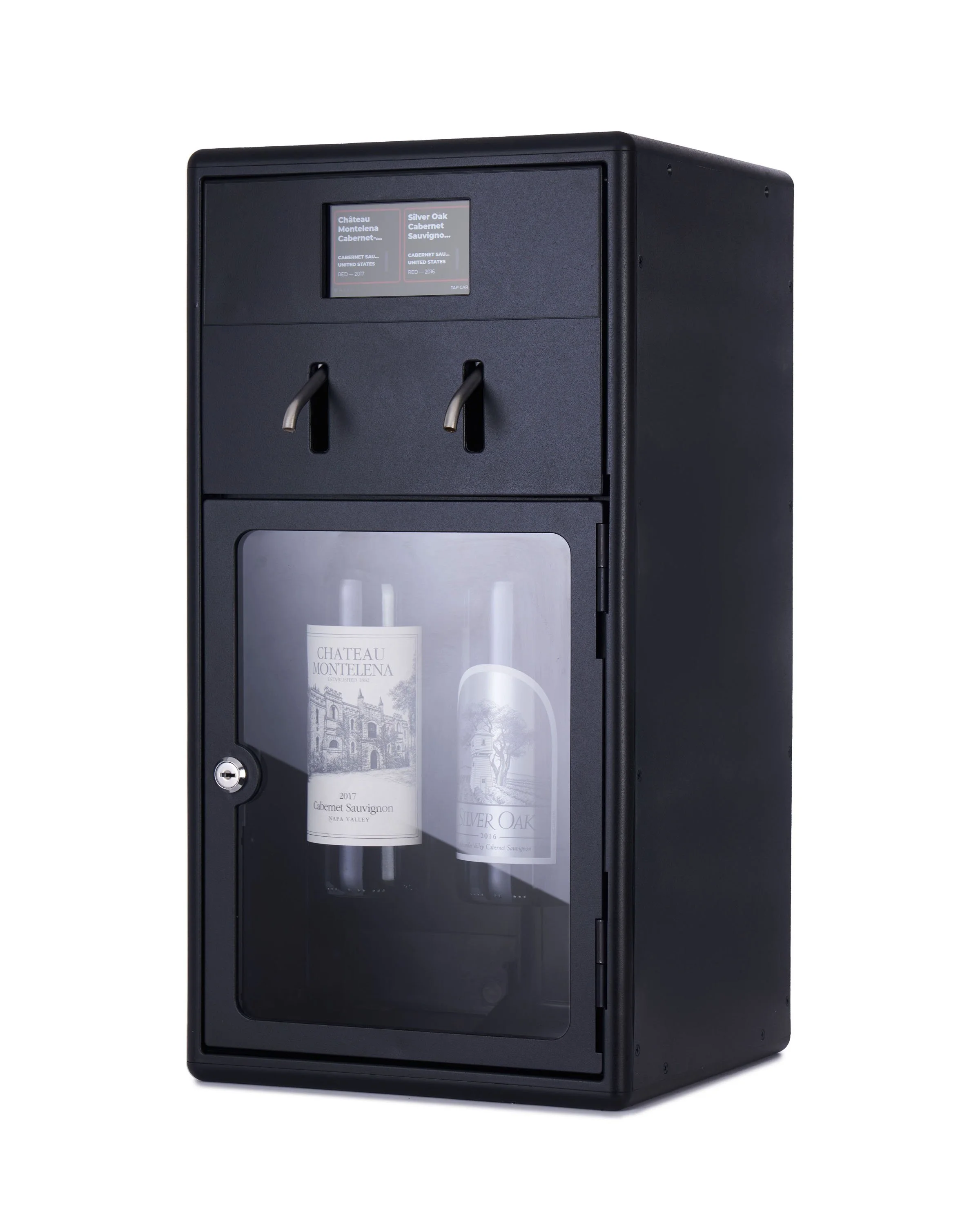
Why Your Product Photography Needs to Be Part of Your Marketing Strategy—Not an Afterthought

Most brands treat product photography as a task: something to check off before a launch, upload to Shopify, or hand off to the Amazon team. But product photography isn’t a checkbox. It’s not decoration. And it’s definitely not something to “figure out later.”

Product photography is one of the only places where brand, marketing, and conversion meet in a single asset. How your product looks—its lighting, color, texture, clarity, framing, and consistency—directly influences how customers perceive your brand and whether they buy from you.

Images aren’t supporting material.

They are your marketing.

When photography is treated as an afterthought, the brand becomes inconsistent, campaigns underperform, and the product feels less trustworthy—no matter how good it actually is.

Here’s why product photography should be a foundational part of your marketing strategy, not something you do at the end of it.

Clear lighting and accurate color are what turn product photos into trust-building marketing assets. © Rare Studio LA

1. Customers Buy With Their Eyes Before They Read a Word

Most shoppers never read product descriptions.

They barely skim bullet points.

Their decision-making begins—and often ends—with the visuals.

Strong photography communicates:

  • What the product is

  • How it feels

  • Why it’s worth the price

  • Whether the brand seems trustworthy

  • Whether the product will solve their problem

Weak or inconsistent visuals force the customer to do the work, and most won’t bother.

Photography isn’t supporting your messaging.

It is the messaging.

2. Good Photos Reduce Friction—Bad Photos Introduce Doubt

Every click a customer takes is an opportunity for hesitation.

Bad visuals create friction:

  • Inconsistent lighting

  • Incorrect or misleading colors

  • Poorly lit materials

  • Sloppy compositions

  • Outdated or mismatched styles

Friction turns into doubt, and doubt kills conversion.

Good photography eliminates questions before they’re asked.

It builds trust by making the product feel clear, organized, and intentional.

When photography aligns with your marketing strategy, confidence increases—and so does the likelihood of purchase.

Consistent photography allows different products to feel like one brand, not separate ideas. © Rare Studio LA

3. Photography Sets the Tone for Your Entire Brand

Your product images become the foundation for everything else:

  • PDP pages

  • Amazon listings

  • Paid social ads

  • Email campaigns

  • Landing pages

  • Retail decks

  • Hero banners

  • Brand storytelling

If your photography style isn’t defined, none of these channels will feel cohesive.

A strong visual identity—lighting direction, color tone, contrast, background choices, framing—creates instant brand recognition. Customers should be able to see one photo and know it’s yours.

If your photography isn’t part of your marketing strategy, consistency becomes impossible.

4. Ads Perform Better When the Photography Is Intentional

Creative teams often try to “fix” underperforming ads by tweaking copy, targeting, or layout…

…but the problem is often the photography.

Ads built on weak visuals:

  • Look less premium

  • Blend into the feed

  • Fail to communicate value quickly

  • Lose attention in the first second

When imagery is strategic—designed with storytelling, clarity, and brand tone in mind—it becomes far easier to create ad variations that actually convert.

Your marketing performs only as well as your visuals allow it to.

A defined visual system makes it possible to scale photography without losing brand cohesion. © Rare Studio LA

5. Product Photography Influences Perceived Value

Two identical products can sell at completely different price points solely based on photography.

High-quality visuals increase perceived value because they signal:

  • Attention to detail

  • Brand confidence

  • Professionalism

  • Reliability

  • Premium positioning

Low-quality photography doesn’t just make the product look cheaper—it makes the brand look cheaper.

When photography is integrated into your marketing strategy, you're not just controlling how your product looks; you're controlling how high your brand can climb.

6. Consistency Across Channels Builds Brand Trust

Most brands appear in at least three places:

  • Their website

  • Amazon or other marketplaces

  • Social media

If the photography feels different across each channel, the customer subconsciously assumes the brand is unorganized or inexperienced.

Marketing strategy isn’t just about reaching customers—

It’s about presenting a unified identity everywhere they meet you.

Photography is the thread that ties all of it together.

When photography is treated as strategy, even a single image can communicate value and credibility. © Rare Studio LA

7. Treating Photography as an Afterthought Costs More in the Long Run

When photography isn’t part of the strategy from the beginning, teams end up:

  • Reshooting products

  • Rebuilding PDP pages

  • Rewriting ad creative

  • Fixing inconsistent batches of SKUs

  • Losing performance on paid channels

  • Spending extra budget to “clean up” visuals later

Fixing inconsistency always costs more than preventing it.

Strong photography upfront saves time, money, and internal bandwidth—and creates assets your marketing team can rely on.

So What Does It Mean to Make Photography Part of Your Strategy?

It means:

  1. Defining a visual system before building campaigns

  2. Planning photography around your marketing calendar

  3. Creating assets for ads, PDPs, and storytelling—not just catalog shots

  4. Ensuring consistency across every channel your brand appears

  5. Working with a photographer who understands how images support conversion

Photography shouldn’t live at the end of your workflow.

It should shape the strategy from the beginning.

Need help?

A lot of brands don’t need more content—they need photography that’s planned with their marketing goals in mind. When images are intentional, consistent, and built to convert, everything else performs better.

At Rare Studio LA, we work with brands to create product photography systems that support launches, ads, and long-term growth—not just one-off shoots.

You can explore our work at rarestudiola.com, and check our Google reviews if you want to hear from the teams we’ve partnered with.
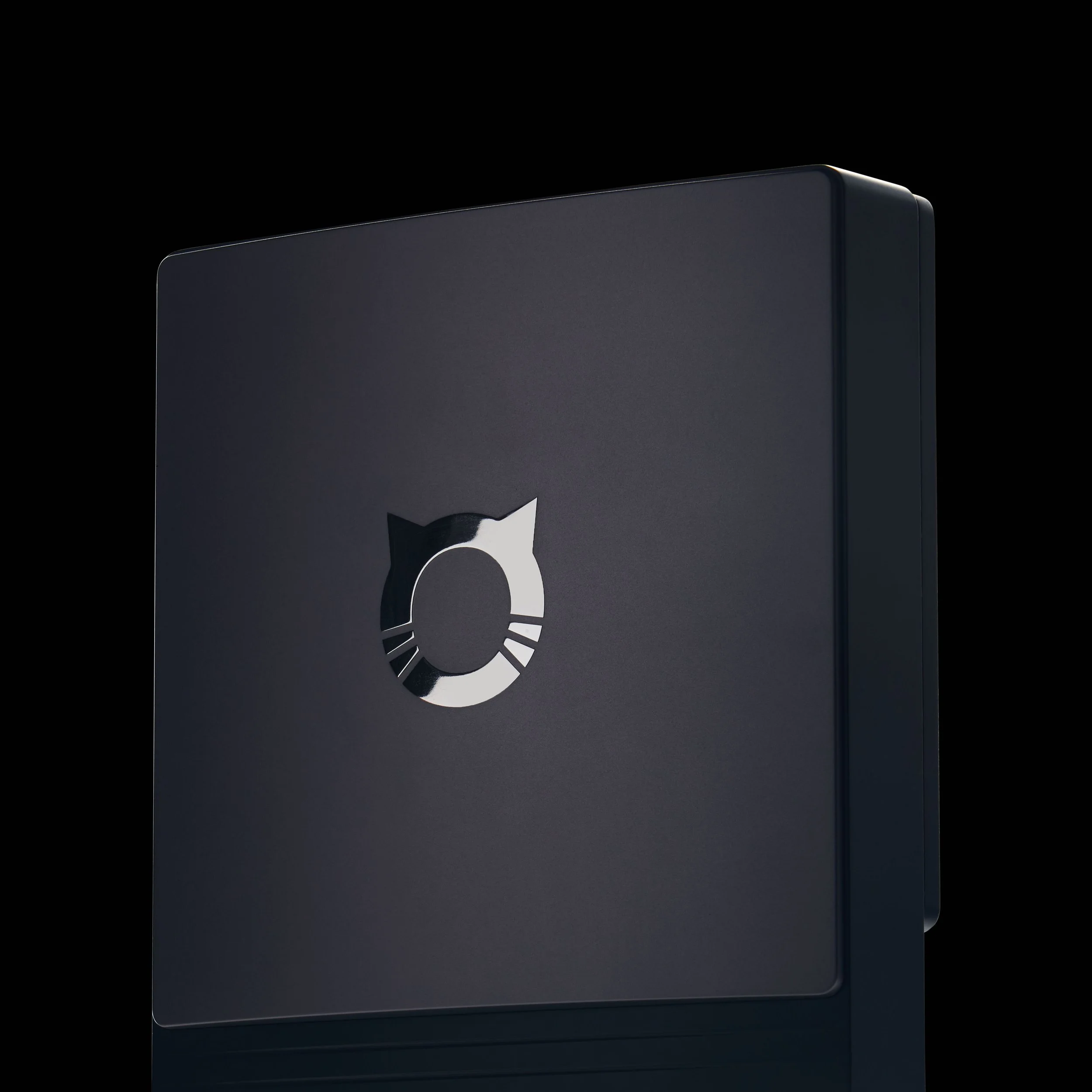
What Art Directors Should Look for When Hiring a Product Photographer

Hiring a product photographer isn’t just about finding someone who can take technically correct images.

Art Directors need a partner—someone who understands brand identity, creative direction, production logistics, and the realities of building consistent visuals at scale.

Product photography is one of the few touchpoints where design, marketing, and brand perception intersect directly. When the photographer is the wrong fit, the visual system breaks. When the photographer is the right partner, everything becomes easier: campaigns land, PDPs convert, and the brand holds together across every channel.

Here’s what experienced Art Directors prioritize when choosing a product photographer—and why it matters.

A strong product photographer maintains visual consistency across SKUs without flattening brand character. © Rare Studio LA

1. A Portfolio That Shows Intent, Not Just Skill

Most photographers can produce a technically competent image.

But Art Directors should look for something deeper: intentionality.

A strong portfolio shows:

  • A clear point of view

  • Consistent lighting direction

  • Clean shadow control

  • Real command of color accuracy

  • The ability to shoot across materials (glossy, matte, transparent, textured)

  • Compositional decisions that feel designed—not improvised

You’re not just hiring a technician. You’re hiring someone whose visual decisions will be tied to your brand.

2. Ability to Maintain a Visual System Across SKUs

One-off hero shots are easy.

What’s hard is maintaining consistency across 20, 40, or 200 SKUs—over months or years.

Art Directors should look for signs that the photographer can:

  • Match lighting direction from previous shoots

  • Reproduce color and tone precisely

  • Keep framing and proportions uniform

  • Work from a shot list without improvising away from brand guidelines

  • Deliver assets that feel like they came from the same visual family

If a photographer can’t replicate their own work, they can’t replicate yours.

3. Mastery of Controlled Lighting

Lighting is where product photography diverges from every other genre.

Great photographers can:

  • Shape light to reveal material, texture, and form

  • Control reflections intentionally

  • Maintain clean gradients on complex surfaces

  • Keep shadows consistent and natural

  • Light glossy or metallic materials without distracting hotspots

Art Directors should always ask to see examples of:

  • Reflective products

  • Transparent items

  • Soft materials

  • Textured surfaces

  • White-on-white or black-on-black setups

These are the categories that separate advanced photographers from generalists.

Intentional lighting and composition turn packaging into a clear, scalable brand asset. © Rare Studio LA

4. Understanding of Brand Context

A photographer shouldn’t just deliver “good photos.”

They should deliver photos that make sense inside your brand environment.

They should understand:

  • The brand’s tone and aesthetic

  • The role each photo plays (PDP, A+ content, hero banner, ad creative, print)

  • How to maintain a consistent identity across platforms

  • How color and lighting impact brand perception

  • How to photograph for conversion, not just beauty

A photographer who understands why the image matters will always produce better work than someone who only focuses on how to capture it.

5. Clean, Realistic Retouching Skills

Bad retouching breaks brand trust instantly.

Art Directors should look for photographers who can deliver:

  • Clean, subtle retouching that preserves texture

  • Natural shadows that aren’t erased or overpowered

  • Accurate colors for online listings

  • Invisible dust and scratch removal

  • No warping, stretching, or unnatural “perfecting”

If you notice the retouching, it’s probably not good retouching.

6. Production Awareness and Problem-Solving Ability

Product shoots often require troubleshooting—reflection issues, packaging variations, fragile items, limited samples, or imperfect pre-production models.

A strong product photographer knows how to:

  • Solve lighting challenges quickly

  • Build simple rigs and supports

  • Maintain efficiency during large-scale shoots

  • Work cleanly and methodically

  • Communicate clearly with stylists, assistants, and the creative team

Art Directors don’t need another problem to manage—they need someone who eliminates problems before they appear.

Mastery of reflections and material control is where experienced product photographers stand apart. © Rare Studio LA

7. A Workflow That Matches Your Timeline and Deliverables

Even the best photographer isn’t the right fit if the workflow doesn’t align with your needs.

Key things Art Directors should confirm:

  • Delivery timelines

  • File organization and naming conventions

  • Color management (profiles, calibration, export settings)

  • Consistency across multiple shoot days

  • Ability to scale output as the brand grows

A photographer with a reliable workflow saves your team time, revisions, and stress.

8. Communication Style and Creative Collaboration

Art Directors work best with photographers who:

  • Ask the right questions

  • Communicate proactively

  • Understand feedback without taking it personally

  • Translate creative direction into visual decisions

  • Offer suggestions without overpowering the brief

Technical skill is required.

Collaboration skill is essential.

So What Makes a Photographer the Right Fit?

Art Directors should look for a partner who can:

  1. Maintain consistency across campaigns and product lines

  2. Translate brand identity into lighting and composition

  3. Solve technical challenges with calm efficiency

  4. Deliver polished images that actually support conversion

  5. Communicate clearly and professionally

The right photographer makes the entire creative workflow stronger.

The wrong one adds friction at every stage.

Looking for a photographer who actually understands how Art Directors work?

A good product photographer doesn’t just take nice photos—they make your entire creative process smoother. If you’re building a visual system, launching a new product line, or need someone who can keep your brand consistent across hundreds of SKUs, that’s where we come in.

At Rare Studio LA, we work closely with Art Directors and brand teams to create photography that supports both design and strategy—not just aesthetics.

You can explore our work at rarestudiola.com, and you’re always welcome to check our Google reviews to hear from other creative teams we’ve partnered with.
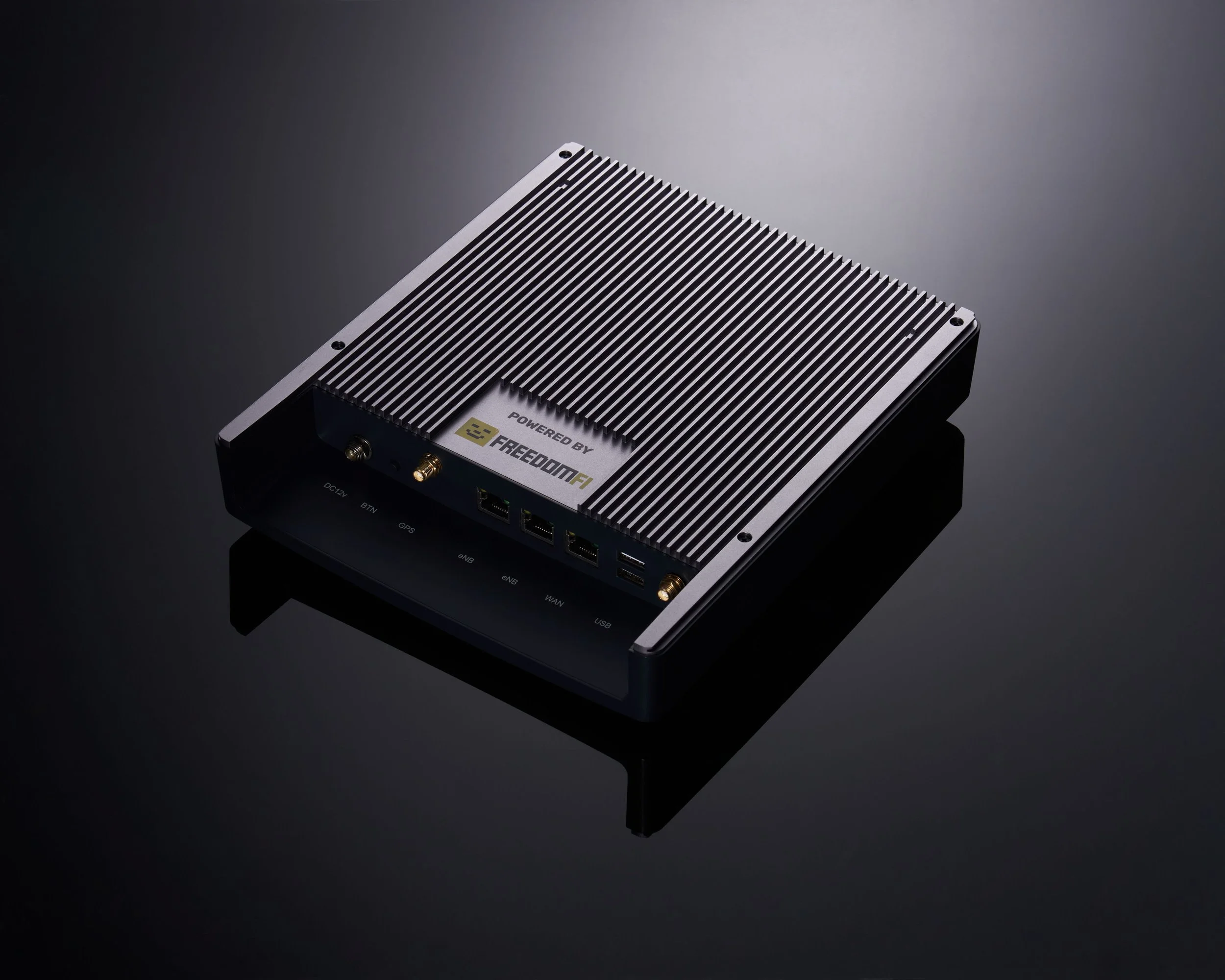
Why Your Lay-Flat Clothing Photos Look Cheap—and How to Elevate Them

Lay-flat photos should be the simplest clothing images to produce.

Place the garment on a backdrop, smooth it out, take a photo—done.

That simplicity is exactly why so many brands end up with photos that look flat, lifeless, or lower-end than the product deserves. Lay-flat photography is unforgiving. There’s no model, no scenery, no styling to hide behind. Every wrinkle, shadow, and composition choice becomes part of how your brand is judged.

The good news: most of the problems that make lay-flats look “cheap” are completely fixable once you understand what actually creates a premium look.

Here’s a breakdown of where things typically go wrong—and how to elevate your imagery.

Precise garment prep and balanced lighting are what make a lay-flat feel tailored, not flat. © Rare Studio LA

1. The Clothing Isn’t Prepped Properly

Most low-quality lay-flats go wrong before the camera is even turned on.

Wrinkles, uneven hems, lint, dust, and puckered seams are all magnified when a garment lies flat. A photo can never look elevated if the fabric itself isn’t.

What elevates it:

  • Proper steaming and smoothing

  • Aligning hems, seams, and collars

  • Using pins or small clips to support shape

  • Removing lint and loose threads before shooting

Prep work takes time, but it prevents 90% of unnecessary retouching.

2. The Lighting Is Too Harsh—or Too Soft

Clothing needs dimensional lighting to show shape, texture, and structure.

Too soft, and everything looks flat.

Too harsh, and shadows become distracting and cheap-looking.

The difference between a premium lay-flat and an amateur one usually comes down to how the light is controlled.

What elevates it:

  • A large, directional soft light source

  • Intentional shadow depth (not zero shadows, not heavy shadows)

  • Avoiding mixed lighting that creates color shifts

  • Consistency across all SKUs

Lighting direction is one of the strongest signals of professionalism.

Directional light and controlled shadows reveal fabric texture without making the image feel heavy. © Rare Studio LA

3. The Composition Looks Accidental Instead of Designed

A good lay-flat feels intentional. A bad one feels like someone simply dropped the garment on the ground.

Common problems include:

  • Twisted sleeves

  • Crooked placement

  • Uneven spacing

  • Distorted proportions

  • Unbalanced framing

Clothing is highly sensitive visually—small composition errors immediately downgrade the photo.

What elevates it:

  • Aligning seams and hems carefully

  • Using guides to keep everything consistent

  • Positioning sleeves and collars in natural, flattering ways

  • Maintaining consistent cropping within a collection

Precision is what makes a flat image feel expensive.

4. The Background Isn’t Truly Neutral or Clean

Lay-flat backgrounds accumulate everything: dust, lint, handling marks, texture inconsistencies, uneven tones.

Even a slightly dirty backdrop instantly cheapens the photo.

What elevates it:

  • Using clean, well-maintained surfaces

  • Keeping color temperature consistent across the set

  • Subtle retouching to remove marks without flattening the image

  • Avoiding shadows or gradients caused by poor lighting

A clean, neutral background is one of the fastest ways to signal brand quality.

Clean backgrounds and intentional composition are what separate premium lay-flats from forgettable ones. © Rare Studio LA

5. The Editing Is Overdone or Inconsistent

Retouching should refine a lay-flat—not completely reinvent it.

But many brands over-edit: blown-out whites, over-smoothing, warped seams, inconsistent colors, or removing shadows entirely. All of this makes the final image feel artificial or low-end.

What elevates it:

  • Subtle, clean retouching that preserves fabric texture

  • Accurate color representation

  • Consistent exposure and contrast across the collection

  • Maintaining natural shadow structure

Good editing disappears. Bad editing is the only thing you see.

6. The Image Doesn’t Match Your Overall Visual System

Even a technically perfect lay-flat will look disconnected if it doesn’t match the rest of your brand’s visuals.

If your on-model shots, ecommerce images, Amazon listings, and social content feel like different worlds, customers pick up on it.

What elevates it:

  • A defined style for tone, contrast, lighting direction, and shadow depth

  • Matching aspect ratios and framing

  • A consistent system for future SKUs

  • Cohesion across flats, details, and on-model shots

Consistency is what transforms photography into brand identity.

So How Do You Make Lay-Flats Look Expensive?

It comes down to four fundamentals done extremely well:

  1. Prepare the garment with intention

  2. Use controlled, directional lighting

  3. Compose precisely and consistently

  4. Retouch with a light, accurate touch

Lay-flat photography exposes every mistake—but when done properly, it becomes one of the cleanest, most scalable ways to show your product line.

Need help making your lay-flats actually look like your brand?

Most clothing brands don’t need more complex photography—they just need the fundamentals done really well and really consistently. If your current photos feel flat or low-end, it’s usually a workflow issue, not a product issue.

At Rare Studio LA, we help brands build a repeatable system for clean, elevated lay-flat images that align with their visual identity as they grow.

You can check out our work at rarestudiola.com , and you can always browse our Google reviews if you want to hear from the teams we’ve worked with.
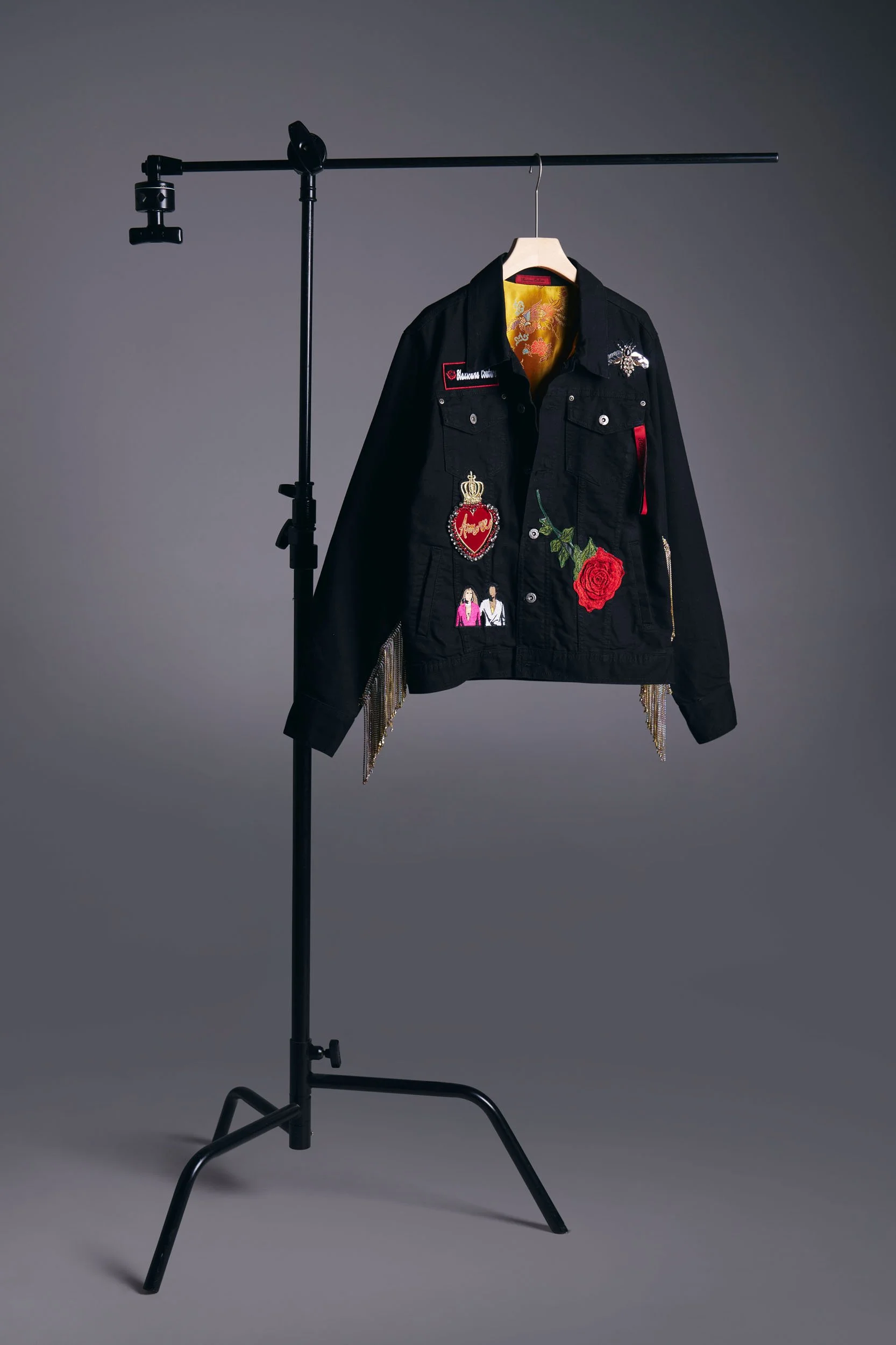
Should You Hire a Photographer or Shoot In-House? Pros, Cons, and Real Costs

When brands reach the stage where consistent product photography becomes essential, they eventually face the same question:

Should we build an in-house photo setup or hire a professional photographer?

Shooting internally often feels cheaper and more flexible. Hiring a professional seems more expensive upfront. But the real cost difference—time, consistency, brand impact, and workflow efficiency—usually isn’t where brands expect.

Here’s a grounded breakdown to help you make an informed decision.

A professional setup creates repeatable, uniform images—something that’s hard to achieve in-house. © Rare Studio LA

1. The Case for Shooting In-House

Advantages

  • Greater control and flexibility

    Your team can shoot on your own schedule and quickly update images as products or packaging change.

  • Fast for iterative brands

    For companies launching frequent SKUs or doing rapid A/B testing, internal production can keep pace with product cycles.

  • Lower barrier to entry

    A basic lighting setup and starter camera can get you up and running immediately.

Drawbacks

  • Significant learning curve

    Achieving consistent color, clean reflections, balanced shadows, and professional-level retouching is harder than it looks. Most teams underestimate the technical skill required.

  • Inconsistency over time

    Small variations in lighting, angles, or white balance can lead to mismatched product pages and weaken your brand identity.

  • Hidden labor cost

    When employees spend hours shooting and editing, that time comes directly out of their core responsibilities. The opportunity cost becomes substantial.

  • Ongoing investment

    As quality expectations increase, internal setups often expand—with additional lights, modifiers, stands, surfaces, and software—creating continual incremental costs.

2. The Case for Hiring a Professional Photographer

Advantages

  • Consistent, brand-aligned results

    Professionals control lighting, color, composition, and post-production with repeatable precision, ensuring your entire catalog feels unified.

  • Efficient workflow

    A professional shoot day can deliver polished results faster than weeks of internal trial-and-error.

  • Stronger brand perception and conversion

    High-quality visuals build trust and increase engagement across Amazon, Shopify, paid ads, and social platforms.

  • Strategic partnership, not just execution

    A strong photographer provides creative direction, helps with shot lists, improves storytelling, and ensures visual consistency across all channels.

Drawbacks

  • Requires budget planning

    Professional shoots are a larger upfront cost, though often more efficient when considering long-term brand output.

  • Scheduling and coordination

    Campaign shoots, lifestyle scenes, or complex products (glass, reflective surfaces, textures) require planning.

  • Quality varies by photographer

    Choosing someone without the right experience can create more work—not less.

Consistent lighting and color control are what separate DIY photos from truly brand-ready visuals. © Rare Studio LA

3. Real Costs Beyond the Price Tag

Removing dollar amounts reveals a more useful comparison:

The meaningful cost isn’t the fee—it’s the effect on team bandwidth, visual consistency, and brand performance.

In-House Costs Usually Come From:

  • Staff hours spent shooting and editing

  • Slower turnaround times

  • Inconsistent results that eventually require reshoots

  • Overtime needed when product lines grow

  • The gradual expansion of equipment and software

Professional Photographer Costs Usually Cover:

  • Consistent brand visual identity

  • Efficient production workflow

  • Expert lighting and retouching for challenging materials

  • Images optimized for platforms with strict standards

  • Creative direction and conversion-focused decisions

The question becomes: Which cost aligns with your brand’s stage and goals?

4. Which Option Fits Your Brand?

In-House Makes Sense If:

  • You produce new SKUs frequently

  • You need fast, constant updates

  • “Good enough” visual quality works for now

  • You want control over small iterative assets (internal use, packaging records)

Hiring a Professional Makes Sense If:

  • You need consistent, high-quality visuals across all marketplaces

  • Your products are reflective, textured, transparent, or otherwise difficult to light

  • You rely on paid ads or Amazon listings for conversion

  • You’re building a premium brand and need polished presentation

  • You want predictable, repeatable quality without internal labor overhead

Detail shots like this show why expert lighting and styling matter for conversion-focused brands. © Rare Studio LA

5. Why Many Brands Choose a Hybrid Model

A blended approach often works best:

  • In-house handles quick updates and light content needs

  • A professional handles hero images, campaigns, and anything tied to sales performance

This gives brands agility without sacrificing visual cohesion.

6. The Real Cost of Low-Quality Photography

Poor visuals don’t just look unpolished—they directly impact performance.

Brands typically see drops in:

  • click-through rate

  • add-to-cart rate

  • ad efficiency

  • customer trust

  • overall perceived product quality

Photography should be considered infrastructure, not an accessory.

It’s as foundational as your packaging, website, and brand identity.

Need help figuring out what makes sense for your brand?

Every team reaches that moment where DIY photos stop being enough, and bringing in a professional starts to make more sense. If you’re in that in-between stage—or you just want your visuals to feel more consistent—we’re here for that conversation.

At Rare Studio LA, we help brands build a visual system that actually supports how they grow, whether that means guiding your in-house team or taking full ownership of the photography.

You can check out our work at rarestudiola.com and see what clients say about us on Google whenever you’re ready.

How to Build a Consistent Visual Identity Across Amazon, Shopify, and Social Media

A strong brand isn’t built on one great photo or one well-designed ad. It’s built on consistency.

Customers might first see you on Instagram, then visit your Shopify store, and finally make a purchase on Amazon. If those three experiences look and feel disconnected, your brand loses credibility before the product even has a chance to impress.

Consistency is what turns casual browsers into loyal customers. Here’s how to build it across every platform where your brand shows up.

Consistent color and composition keep your product looking unmistakably yours. © Rare Studio LA

Start With Your Core Look

Every brand needs a visual foundation—a color palette, tone of lighting, and design style that never changes no matter the platform.

If your Shopify site uses soft daylight and muted tones, but your Amazon listing is overly bright and saturated, you’ve broken that visual thread.

Before you post or upload anything, define the non-negotiables:

  • Color tone (cool, neutral, or warm)

  • Background style (white, textured, lifestyle)

  • Composition and spacing

  • Brand accent colors and typefaces

Once that foundation is set, you can adapt it to each platform’s format without losing the essence of your brand.

Adapt, Don’t Redesign

Amazon, Shopify, and social platforms each have their own purpose. Your visuals should adjust to those contexts—but not change entirely.

On Amazon, clarity wins. Customers need to see the product clearly and trust what they’re buying. Use clean white backgrounds, consistent angles, and accurate color.

On Shopify, you can expand that visual story. Mix product detail shots with lifestyle images, testimonials, and videos to create a more immersive experience.

On social media, especially Instagram or TikTok, emotion matters most. This is where you can show movement, people, or behind-the-scenes content that humanizes your brand.

The key is to adapt the message, not reinvent the look. Each platform should feel like a different chapter of the same story.

A unified lighting style creates instant brand recognition across every platform. © Rare Studio LA

Keep Your Color and Light Consistent

Lighting and color are the invisible glue that holds a brand’s visuals together.

If your Amazon photos are bright white but your social media feed uses moody tones, the brand identity starts to fragment. The same product can look completely different from one platform to the next.

The solution is simple but powerful: establish lighting standards and stick to them. Decide what your “daylight” looks like—soft natural light, high-contrast studio, or a specific temperature—and apply it across every shoot.

That consistency builds immediate recognition, even before someone reads your logo.

Align Your Copy and Design

Visual identity isn’t just about photography. It’s also about how you communicate.

Use the same tone of voice, typography, and layout hierarchy across Amazon bullet points, Shopify pages, and social captions. Your visuals tell the story, but your words carry the brand’s personality.

The most cohesive brands don’t feel like they’re in three different places—they feel like they’re everywhere, speaking in one clear voice.

When every image shares the same visual language, your brand feels cohesive and premium. © Rare Studio LA

Refresh, Don’t Reinvent

As your brand evolves, your visuals will too—but consistency doesn’t mean stagnation.

Plan seasonal updates or small styling shifts that keep things fresh while staying within your visual framework. It’s the difference between growing and rebranding. Customers should recognize you instantly, even as you improve over time.

Why Consistency Wins

Every platform has its own rules, but your brand’s identity should stay constant.

When your photography, design, and messaging align across Amazon, Shopify, and social media, your business looks organized, credible, and ready to scale.

Cohesion builds trust. Trust builds sales.

Let’s Bring Your Brand to Life!

Building a consistent visual identity takes more than good products—it takes clear direction and strong execution.

At Rare Studio LA, we help brands develop and maintain a cohesive visual style across every touchpoint, so your audience instantly recognizes who you are.

Explore our work at rarestudiola.com and see client reviews on Google.

The Difference Between Editorial vs. E-Commerce Photography—and When You Need Both

If you sell products online, you’ve probably come across the terms editorial and e-commerce photography.

They often get used interchangeably, but they couldn’t be more different. One tells a story; the other builds trust. The best brands know how to use both.

Example of e-commerce photography. © Rare Studio LA

E-Commerce Photography: Clarity Sells

E-commerce photography is the foundation of your product catalog. It’s straightforward, precise, and designed to answer every question a customer might have before buying.

These are the clean, consistent images you see on product listings—white backgrounds, even lighting, neutral shadows. Every product is shown the same way so your catalog feels unified.

When done well, the photos disappear and the product takes center stage. Customers don’t think about the lighting or setup; they simply trust that what they see is accurate.

It’s not about creativity for its own sake—it’s about clarity. These images are built to convert.

Example of editorial photography. © Rare Studio LA

Editorial Photography: Emotion Connects

Editorial imagery lives on the other end of the spectrum. Instead of showing what something is, it shows what it feels like.

Think of a lookbook, a lifestyle campaign, or an ad that makes you pause. The lighting might be softer, the angles looser, the styling more expressive. The goal is emotional connection—showing how your product fits into real life, or the kind of lifestyle it represents.

A pair of shoes photographed in a studio might sell them.

The same shoes in an editorial scene—a street corner, morning light, someone mid-step—can make you want them.

Editorial photography adds personality and story to your brand. It turns products into experiences.

Why You Need Both

Some brands focus entirely on e-commerce photography and wonder why their social content feels flat. Others lean heavily on lifestyle imagery and forget to give customers the clear product information they need to actually buy.

The truth is, the two work best together.

E-commerce photos convert.

Editorial photos connect.

One builds confidence, the other builds emotion.

When they’re aligned in tone and style, your brand feels cohesive everywhere—from your website to your ads to your social feed.

Building the Right Balance

Start with e-commerce images. They’re essential for your product listings and are often the first touchpoint for new customers. Once those are consistent, introduce editorial imagery to bring depth and identity to your visual presence.

Even a handful of strong editorial shots can shift how your brand is perceived. They show customers not just what you sell, but who you are.

The combination of clarity and emotion is what turns good photography into a brand language.

Need help?

At Rare Studio LA, we create high-converting product photography for brands that care about how they show up.

Explore our work at rarestudiola.com and see client reviews on Google.

Your Creative Brief Sucks (Here’s How to Write One That Photographers Actually Use)

Most brands think they have a “creative brief.”

In reality, what they hand over is a half-page email that says something like:

“We’re going for a clean, modern vibe. Nothing too staged. Make it feel natural.”

That’s not a brief. That’s a vibe check.

A real creative brief does one thing well—it helps the photographer make decisions without guessing what you mean. If your team spends hours giving feedback after every shoot, it’s probably because your brief didn’t do its job.

Here’s how to fix it.

A moodboard sets the direction without the guesswork. © Rare Studio LA

1. A Picture Is Worth A Thousand Words

The fastest way to align with your photographer is to use visual references. Build a small moodboard—five to ten images is enough—that captures the tone, color, and lighting you want.

If you’re aiming for a glossy editorial look, show an example. If you want daylight realism, include that too. Words are open to interpretation, but pictures speak your language instantly.

Good briefs don’t just say what to do; they show what success looks like.

2. Be Clear About Deliverables

This is where most briefs fall apart. “We just need a few shots” turns into “Actually, can we also get…” halfway through the shoot.

List exactly what you need before the camera turns on:

  • How many products

  • What angles or variations

  • Which shots are priority

  • Output format (vertical, square, horizontal)

  • Where each image will be used (website, ads, Amazon, print)

The clearer this section is, the faster and cheaper production becomes.

The space is part of the brief—show it clearly. © Rare Studio LA

3. Define Your Brand Context

Photographers aren’t mind readers. Give them a sense of who you are and who your customers are.Are you a luxury skincare brand or an affordable lifestyle line? Are you selling to Gen Z or corporate professionals? The same lighting and styling won’t work for both.

Even one paragraph of context helps a photographer understand what story they’re helping you tell.

4. Include “Don’t”s

Every creative brief should have a short list of things to avoid. Maybe you hate harsh shadows, bright red props, or artificial-looking retouching.

Writing those down early saves hours of back-and-forth later. It’s often easier to describe what not to do than to perfectly define what you want.

Showing the look beats describing it. © Rare Studio LA

5. Treat It Like a Collaboration

The best briefs come from conversation, not templates. Don’t just email it and disappear. Walk your photographer through the document. Ask what might need clarification.

A five-minute conversation can prevent a week of reshoots.

So, What Does a Good Brief Look Like?

At minimum, it should include:

  1. Brand background and audience summary

  2. Visual references or moodboard

  3. Shot list with priorities

  4. Technical requirements (orientation, resolution, usage)

  5. Notes on tone and things to avoid

If your document checks those boxes, congratulations—you’ve already written a better brief than 90% of brand teams.

Feeling overwhelmed? We can help!

Rare Studio LA offers free consultation sessions to walk you through the process—from planning and pricing to production and delivery.

Schedule a quick call or send us a message to get started.

Explore more at rarestudiola.com or find us on Google.

The True ROI of Great Product Photography: How One Brand Increased Conversions Amazon Top Seller

Some products succeed not because they reinvent the category, but because they present themselves better.

That’s the case for a lunch box brand we worked with—a company that now consistently ranks among the top sellers in its Amazon category.

Their product line includes multiple SKUs, but their best-performing set is designed for students and young kids. The design is thoughtful, the quality is solid—but not dramatically different from their competitors. What truly sets them apart is how they show up visually.

Real moments over perfection. A bright, approachable setting that communicates warmth, clarity, and trust—all without feeling staged. ©Rare Studio LA

Branding That Feels Intentional

From the moment you land on their Amazon page, everything feels cohesive. The colors are bright but not overwhelming, the design is simple, and the copy is clean. It looks trustworthy and family-friendly without feeling cheap.

That consistency extends into their photography. Every image reinforces their visual identity—playful, approachable, and clear. The photos are clean, balanced, and built around the same warm color palette that runs through the rest of their branding.

When a shopper scrolls through Amazon search results, that visual consistency makes them stand out immediately.

Photography That Serves the Brand

We helped them produce two types of images:

clean e-commerce photos for clarity and vibrant lifestyle images for emotional connection.

The white-background shots are bright and accurate, designed for Amazon listings where clarity and scale matter most. The lifestyle images, meanwhile, show real-life use—lunches packed neatly, cheerful color combinations, hands reaching into open containers, kids at the table enjoying their meals.

The visuals feel natural and genuine, not staged or overly commercial. Every photo supports the brand’s story: simple, healthy, happy daily life.

This balance of clarity and warmth made the brand immediately recognizable.

Lifestyle imagery that feels natural and relatable—showing how thoughtful design fits effortlessly into everyday life. ©Rare Studio LA

Why It Works

A clear brand direction only matters if the execution brings it to life.

This brand already had a solid foundation—a good product, thoughtful design, and a clear audience. What truly set them apart was how well everything was carried out.

The photography didn’t reinvent the concept; it realized it. Every detail—the lighting, the color choices, the styling—was done with intent. The execution matched the strategy, and that’s what made the visuals work so well.

When the planning is thoughtful and the execution precise, good ideas become results.

Want help?

At Rare Studio LA, we create high-converting product photography for brands that care about how they show up.

Explore our work at rarestudiola.com and see client reviews on Google.

What Every Brand Owner Gets Wrong About “Simple” White Background Photos

Many brand owners assume white background photography is easy. It’s just a product on a clean surface, right? Point the camera, add light, and you’re done.

If only it were that simple.

The truth is, white background photography looks effortless only when every detail has been carefully controlled. When it’s done right, the product feels crisp and dimensional. When it’s done wrong, it looks flat, cheap, and uninspired. And in e-commerce, that difference costs real money.

A black leather duffle shot on a controlled white set — every reflection balanced to keep depth and texture intact. ©Rare Studio LA

1. The Background Isn’t Always White

What looks white to the eye is often closer to gray on camera. The tone of the background changes depending on exposure, lighting position, and color temperature.

A true white background that meets e-commerce standards requires precision. Too much exposure and the edges disappear. Too little and the image feels dull. Achieving the right balance takes skill in lighting and post-production, not a single flash and a white sheet.

2. Shadows Give the Image Life

Many people try to remove all shadows, thinking it will make the photo cleaner. The result often feels sterile/cutout.

Soft, controlled shadows help define the product and create depth. Without them, bottles, boxes, and reflective surfaces lose shape and look unrealistic. Good lighting design doesn’t eliminate shadows, it uses them to make the object look natural and three-dimensional.

Even “simple” fabrics need nuanced lighting to stay dimensional and true-to-life. ©Rare Studio LA

3. Consistency Is the Hard Part

One image might look great on its own, but a full catalog exposes inconsistencies fast. One photo is cooler, another warmer, one brighter than the rest. Suddenly your brand feels uneven.

Consistency is what makes a collection look professional. Each image should match in exposure, color, and crop so everything feels like it belongs together. That’s what gives a brand polish and trustworthiness.

4. Editing Is More Than Cutting Out the Background

Automated tools can remove a background quickly, but they rarely produce results that look professional. Edges often appear fuzzy, shadows disappear, and the product looks unprofessional, that's why at Rare Studio LA, we are aware of the automated tools and the AI tools. But after testing, we still prefer cut out by professional retouchers.

Polished highlights and soft shadows make jewelry feel tangible, not cut out. ©Rare Studio LA

5. LIGHTING IS EVERYTHING

Lighting is the single biggest factor that separates an average product photo from a great one. Many people think it’s as simple as pointing a few lights at the product and pressing the shutter, but light quality matters just as much as light quantity.

The direction, intensity, and softness of the light all shape how a product feels. Good lighting reveals texture, depth, and build quality—it shows the materials for what they really are. It also preserves true color, which is essential for accuracy in e-commerce.

Too much light, on the other hand, can wash out details and make products look flat. Overexposure hides texture instead of enhancing it, and shadows disappear where you actually need them for definition.

Professional lighting isn’t about brightness. It’s about control. The right balance brings your product to life.

Why It Matters

White background photos are often the first impression of a product. They show up on ads, search results, and online listings before anyone clicks through to your site. Want help? At Rare Studio LA, we create high-converting product photography for brands that care about how they show up.

Explore our work at rarestudiola.com and see client reviews on Google.

How to Plan a Successful E-Commerce Photoshoot Without Blowing Your Budget

In e-commerce, strong visuals can make or break a sale. Shoppers can’t touch or test your product before buying—they rely entirely on the photos.

Still, many business owners and marketing teams assume professional photography requires a huge budget. In reality, great images come from smart planning, not overspending. With the right preparation, you can get polished, high-performing product photos without stretching your finances.

Great visuals start with a clear moodboard. ©Rare Studio LA

1. “Affordable” Isn’t the Same as “Cheap”

Lowering costs doesn’t have to mean lowering quality. The real waste often happens when a shoot isn’t planned well—reshoots, uneven lighting, or mismatched color tones that make the catalog look inconsistent.

When your visuals feel cohesive, customers see your brand as reliable and professional. That perception directly affects whether they choose to buy from you. Spending strategically on fewer, well-executed images will always outperform a large set that feels rushed or inconsistent.

2. Start With a Clear Shot List

Before booking a studio or photographer, outline exactly what you need. List each product, the types of shots required (main, detail, group, lifestyle), and where those photos will be used—your website, ads, or marketplaces.

A defined shot list saves time on set and prevents last-minute confusion. It also helps you get accurate quotes and avoid unexpected costs later.

Label each image as “must-have” or “nice-to-have” so you know what can be scaled back if needed.

Consistent posing and lighting unify your brand’s visual story. ©Rare Studio LA

3. Define the Look Before the Shoot

A clear creative direction keeps your project efficient. Gather a few reference images that capture your preferred tone, lighting, and composition. Even a small collection of visuals communicates your expectations better than a long written description.

It’s ok to use terms like “clean” or “modern.” But, when you show specific examples so the photographer can align with your vision better. The clearer the direction, the fewer revisions you’ll need afterward.

4. Batch Products by Type

Setup time is what usually drives up costs. Group similar products—by size, color, or material—so the lighting and background can stay consistent.

Batching allows the team to move faster and maintain visual uniformity across your catalog. A day’s worth of shooting can often cover more products simply by keeping the setup efficient.

Confidence and connection show through every pose. ©Rare Studio LA

5. Focus on the Images That Matter Most

You don’t need dozens of angles for every product. Focus on the photos that have the most impact on sales.

Start with a strong hero image that captures your product clearly and attractively. Then add clean white-background shots for listings or catalogs. Lifestyle or editorial photos can come later as your budget allows.

A smaller set of thoughtful, high-quality images will do far more for your brand than a large batch of filler content.

6. Standardize the Editing Process

Consistent post-production is what ties everything together. Even well-shot photos can look off if the editing isn’t standardized.

Set expectations for exposure, white balance, color tone, and file naming before shooting. That ensures your final images feel cohesive across all platforms. If editing isn’t done in-house, make sure your studio or retoucher understands these standards before delivery.

Minimal, elegant, and brand-aligned. ©Rare Studio LA

Feeling overwhelmed? We can help!

Rare Studio LA offers free consultation sessions to walk you through the process—from planning and pricing to production and delivery.

Schedule a quick call or send us a message to get started.

Explore more at rarestudiola.com or find us on Google.

Why Low-Quality Product Photos Are Costing You Sales

In e-commerce, your photos are your storefront. If they look cheap, cluttered, or inconsistent, that’s exactly how your product—and your brand—will be perceived.

Studies show over 75% of shoppers judge product quality based on visuals alone. If your bounce rate is high, conversions are low, or you’re getting returns with comments like “didn’t look like the photo,” chances are your images are part of the problem.

This is especially true in competitive markets like LA, where brands are fighting for attention and trust. Clean, strategic visuals aren’t a bonus—they’re a baseline.

Before vs. after: same product, different execution. ©Rare Studio LA

What to do:

  • Invest in professional photography. It’s not about having “nice” images—it’s about trust, brand consistency, and conversion.

  • Mix white background shots with editorial or lifestyle images. Show function and feel.

  • Treat photos as part of your sales strategy. Align them with your marketing goals, not just your product specs.

Your product photos are often the first impression customers get. If that impression isn’t strong, you’re leaving sales—and brand value—on the table.

Before vs. after: good lighting reveals the product’s full potential. ©Rare Studio LA

Want help?

At Rare Studio LA, we create high-converting product photography for brands that care about how they show up.

Explore our work at rarestudiola.com and see client reviews on Google.

Why Most Product Photos Fail (And How to Fix Yours) – A Guide to Professional Product Photography in Los Angeles

• If your e-commerce product photography isn’t converting, you might be losing thousands in potential sales. As a professional product photographer for brands, I’ve seen how the right images can make or break a business.

• Whether you’re looking for high-end product photography, white background product photography, or commercial photographer services in LA, your visuals need to sell, not just look pretty.

• In this guide, I’ll break down why most product photos don’t drive conversions—and how to fix them with the right e-commerce photography services.

5 Reasons Your Product Photos Aren’t Converting (And What You’re Doing Wrong)

1. Boring, Flat Images – Low-quality or uninspired product shots turn potential buyers away.

2. Inconsistent Brand Aesthetic – Your e-commerce catalog lacks a cohesive look.

3. Poor Lighting & Composition – The wrong setup makes products look cheap.

4. No Context or Lifestyle Shots – Customers struggle to imagine your product in real life.

5. Using the Wrong Image for the Funnel – The same photo won’t work for ads, listings, and social.

5 Easy Fixes for More Effective Product Photography

1. Establish a Brand Style Guide for Consistency

• Use a Los Angeles photography studio for businesses to ensure uniform lighting, angles, and aesthetics.

Example: How luxury brands maintain a cohesive high-end look across all platforms.

2. Incorporate Lifestyle & Contextual Shots

• Pair white background product photography with in-use images for better engagement.

Example: A jewelry brand saw a 25% boost in sales by adding lifestyle shots.

3. Optimize Lighting & Composition for a Premium Look

• A corporate product photography studio ensures professional lighting setups that enhance product details.

4. Use the Right Image Type for the Right Marketing Channel

E-commerce product photography packages should include high-detail product listings, ad-friendly hero shots, and engaging social content.

5. Test & Analyze Your Product Images

• Brands using high-volume product photography A/B test different shots to see which convert best.