When brands reach the stage where consistent product photography becomes essential, they eventually face the same question:
Should we build an in-house photo setup or hire a professional photographer?
Shooting internally often feels cheaper and more flexible. Hiring a professional seems more expensive upfront. But the real cost difference—time, consistency, brand impact, and workflow efficiency—usually isn’t where brands expect.
Here’s a grounded breakdown to help you make an informed decision.
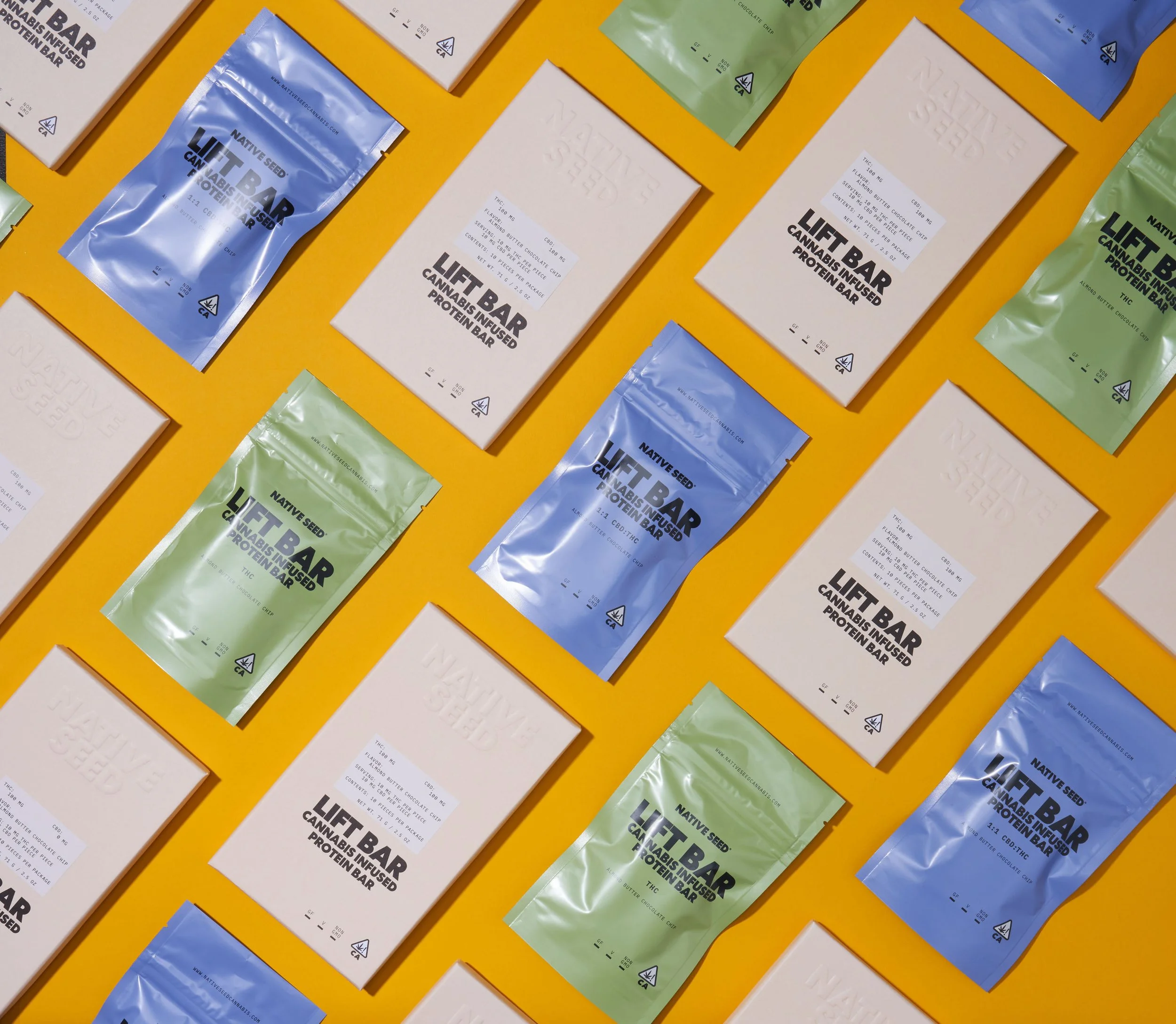
A professional setup creates repeatable, uniform images—something that’s hard to achieve in-house. © Rare Studio LA
1. The Case for Shooting In-House
Advantages
Greater control and flexibility
Your team can shoot on your own schedule and quickly update images as products or packaging change.
Fast for iterative brands
For companies launching frequent SKUs or doing rapid A/B testing, internal production can keep pace with product cycles.
Lower barrier to entry
A basic lighting setup and starter camera can get you up and running immediately.
Drawbacks
Significant learning curve
Achieving consistent color, clean reflections, balanced shadows, and professional-level retouching is harder than it looks. Most teams underestimate the technical skill required.
Inconsistency over time
Small variations in lighting, angles, or white balance can lead to mismatched product pages and weaken your brand identity.
Hidden labor cost
When employees spend hours shooting and editing, that time comes directly out of their core responsibilities. The opportunity cost becomes substantial.
Ongoing investment
As quality expectations increase, internal setups often expand—with additional lights, modifiers, stands, surfaces, and software—creating continual incremental costs.
2. The Case for Hiring a Professional Photographer
Advantages
Consistent, brand-aligned results
Professionals control lighting, color, composition, and post-production with repeatable precision, ensuring your entire catalog feels unified.
Efficient workflow
A professional shoot day can deliver polished results faster than weeks of internal trial-and-error.
Stronger brand perception and conversion
High-quality visuals build trust and increase engagement across Amazon, Shopify, paid ads, and social platforms.
Strategic partnership, not just execution
A strong photographer provides creative direction, helps with shot lists, improves storytelling, and ensures visual consistency across all channels.
Drawbacks
Requires budget planning
Professional shoots are a larger upfront cost, though often more efficient when considering long-term brand output.
Scheduling and coordination
Campaign shoots, lifestyle scenes, or complex products (glass, reflective surfaces, textures) require planning.
Quality varies by photographer
Choosing someone without the right experience can create more work—not less.
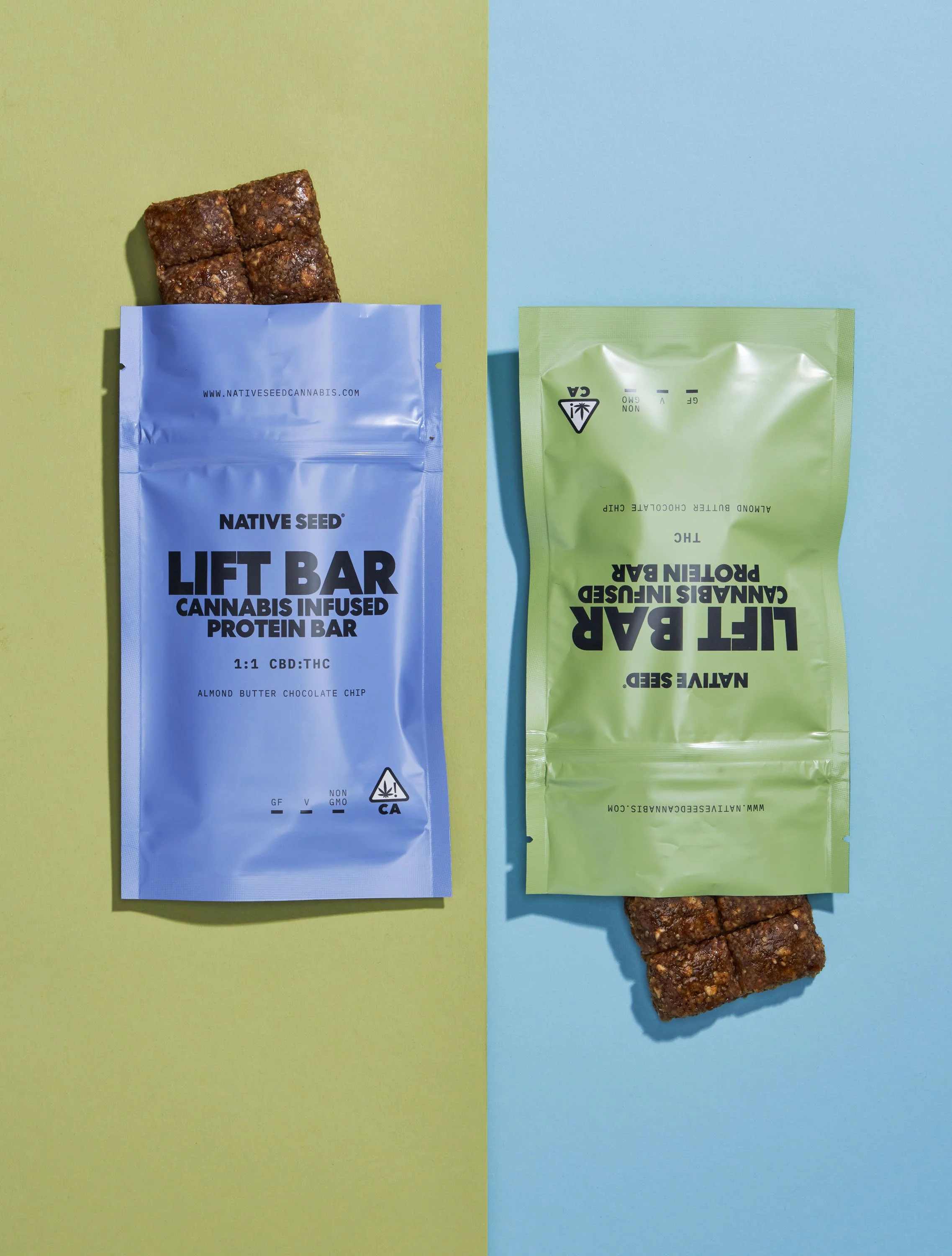
Consistent lighting and color control are what separate DIY photos from truly brand-ready visuals. © Rare Studio LA
3. Real Costs Beyond the Price Tag
Removing dollar amounts reveals a more useful comparison:
The meaningful cost isn’t the fee—it’s the effect on team bandwidth, visual consistency, and brand performance.
In-House Costs Usually Come From:
Staff hours spent shooting and editing
Slower turnaround times
Inconsistent results that eventually require reshoots
Overtime needed when product lines grow
The gradual expansion of equipment and software
Professional Photographer Costs Usually Cover:
Consistent brand visual identity
Efficient production workflow
Expert lighting and retouching for challenging materials
Images optimized for platforms with strict standards
Creative direction and conversion-focused decisions
The question becomes: Which cost aligns with your brand’s stage and goals?
4. Which Option Fits Your Brand?
In-House Makes Sense If:
You produce new SKUs frequently
You need fast, constant updates
“Good enough” visual quality works for now
You want control over small iterative assets (internal use, packaging records)
Hiring a Professional Makes Sense If:
You need consistent, high-quality visuals across all marketplaces
Your products are reflective, textured, transparent, or otherwise difficult to light
You rely on paid ads or Amazon listings for conversion
You’re building a premium brand and need polished presentation
You want predictable, repeatable quality without internal labor overhead
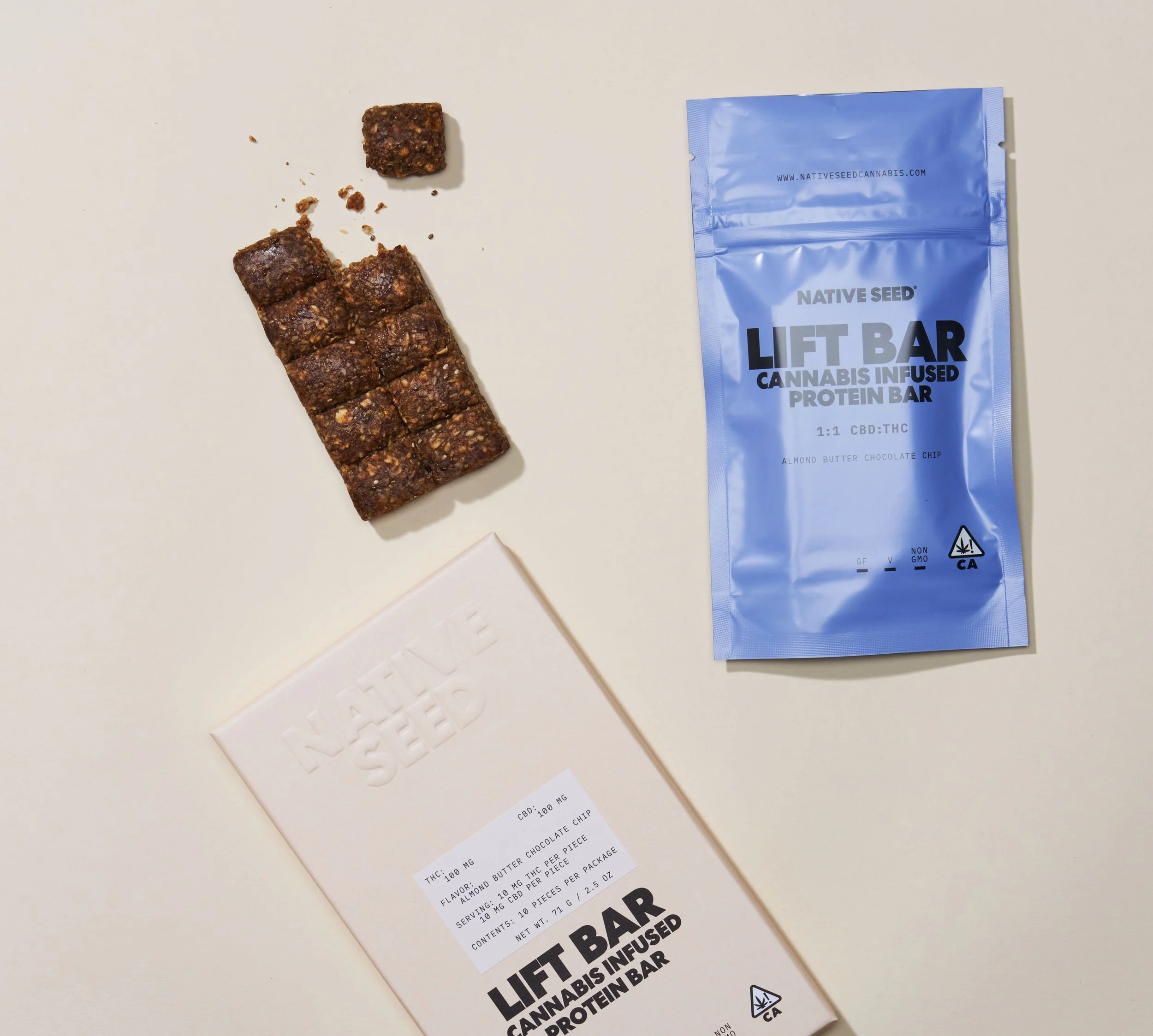
Detail shots like this show why expert lighting and styling matter for conversion-focused brands. © Rare Studio LA
5. Why Many Brands Choose a Hybrid Model
A blended approach often works best:
In-house handles quick updates and light content needs
A professional handles hero images, campaigns, and anything tied to sales performance
This gives brands agility without sacrificing visual cohesion.
6. The Real Cost of Low-Quality Photography
Poor visuals don’t just look unpolished—they directly impact performance.
Brands typically see drops in:
click-through rate
add-to-cart rate
ad efficiency
customer trust
overall perceived product quality
Photography should be considered infrastructure, not an accessory.
It’s as foundational as your packaging, website, and brand identity.
Need help figuring out what makes sense for your brand?
Every team reaches that moment where DIY photos stop being enough, and bringing in a professional starts to make more sense. If you’re in that in-between stage—or you just want your visuals to feel more consistent—we’re here for that conversation.
At Rare Studio LA, we help brands build a visual system that actually supports how they grow, whether that means guiding your in-house team or taking full ownership of the photography.
You can check out our work at rarestudiola.com and see what clients say about us on Google whenever you’re ready.