
Most brands treat product photography as a task: something to check off before a launch, upload to Shopify, or hand off to the Amazon team. But product photography isn’t a checkbox. It’s not decoration. And it’s definitely not something to “figure out later.”
Product photography is one of the only places where brand, marketing, and conversion meet in a single asset. How your product looks—its lighting, color, texture, clarity, framing, and consistency—directly influences how customers perceive your brand and whether they buy from you.
Images aren’t supporting material.
They are your marketing.
When photography is treated as an afterthought, the brand becomes inconsistent, campaigns underperform, and the product feels less trustworthy—no matter how good it actually is.
Here’s why product photography should be a foundational part of your marketing strategy, not something you do at the end of it.
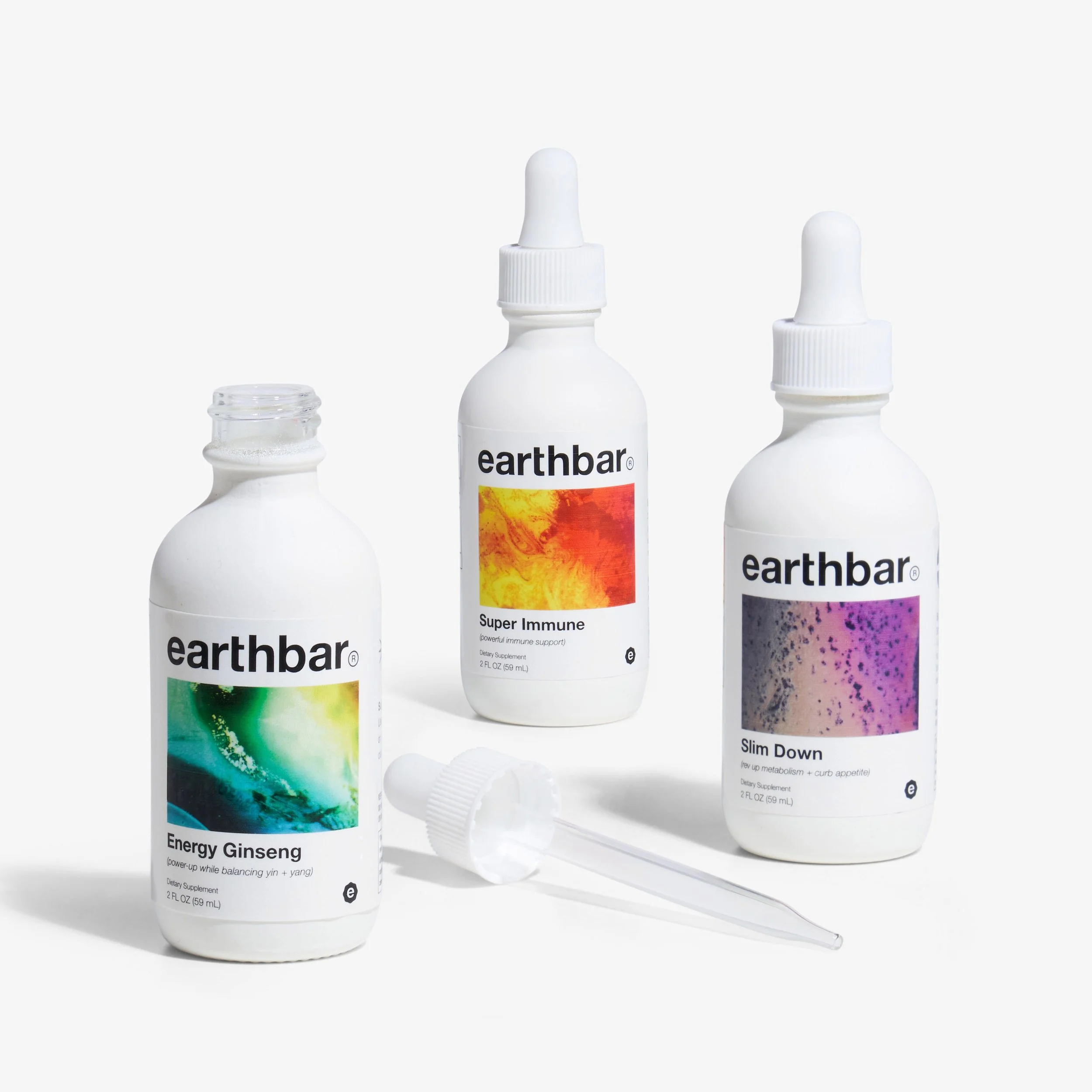
Clear lighting and accurate color are what turn product photos into trust-building marketing assets. © Rare Studio LA
1. Customers Buy With Their Eyes Before They Read a Word
Most shoppers never read product descriptions.
They barely skim bullet points.
Their decision-making begins—and often ends—with the visuals.
Strong photography communicates:
What the product is
How it feels
Why it’s worth the price
Whether the brand seems trustworthy
Whether the product will solve their problem
Weak or inconsistent visuals force the customer to do the work, and most won’t bother.
Photography isn’t supporting your messaging.
It is the messaging.
2. Good Photos Reduce Friction—Bad Photos Introduce Doubt
Every click a customer takes is an opportunity for hesitation.
Bad visuals create friction:
Inconsistent lighting
Incorrect or misleading colors
Poorly lit materials
Sloppy compositions
Outdated or mismatched styles
Friction turns into doubt, and doubt kills conversion.
Good photography eliminates questions before they’re asked.
It builds trust by making the product feel clear, organized, and intentional.
When photography aligns with your marketing strategy, confidence increases—and so does the likelihood of purchase.

Consistent photography allows different products to feel like one brand, not separate ideas. © Rare Studio LA
3. Photography Sets the Tone for Your Entire Brand
Your product images become the foundation for everything else:
PDP pages
Amazon listings
Paid social ads
Email campaigns
Landing pages
Retail decks
Hero banners
Brand storytelling
If your photography style isn’t defined, none of these channels will feel cohesive.
A strong visual identity—lighting direction, color tone, contrast, background choices, framing—creates instant brand recognition. Customers should be able to see one photo and know it’s yours.
If your photography isn’t part of your marketing strategy, consistency becomes impossible.
4. Ads Perform Better When the Photography Is Intentional
Creative teams often try to “fix” underperforming ads by tweaking copy, targeting, or layout…
…but the problem is often the photography.
Ads built on weak visuals:
Look less premium
Blend into the feed
Fail to communicate value quickly
Lose attention in the first second
When imagery is strategic—designed with storytelling, clarity, and brand tone in mind—it becomes far easier to create ad variations that actually convert.
Your marketing performs only as well as your visuals allow it to.
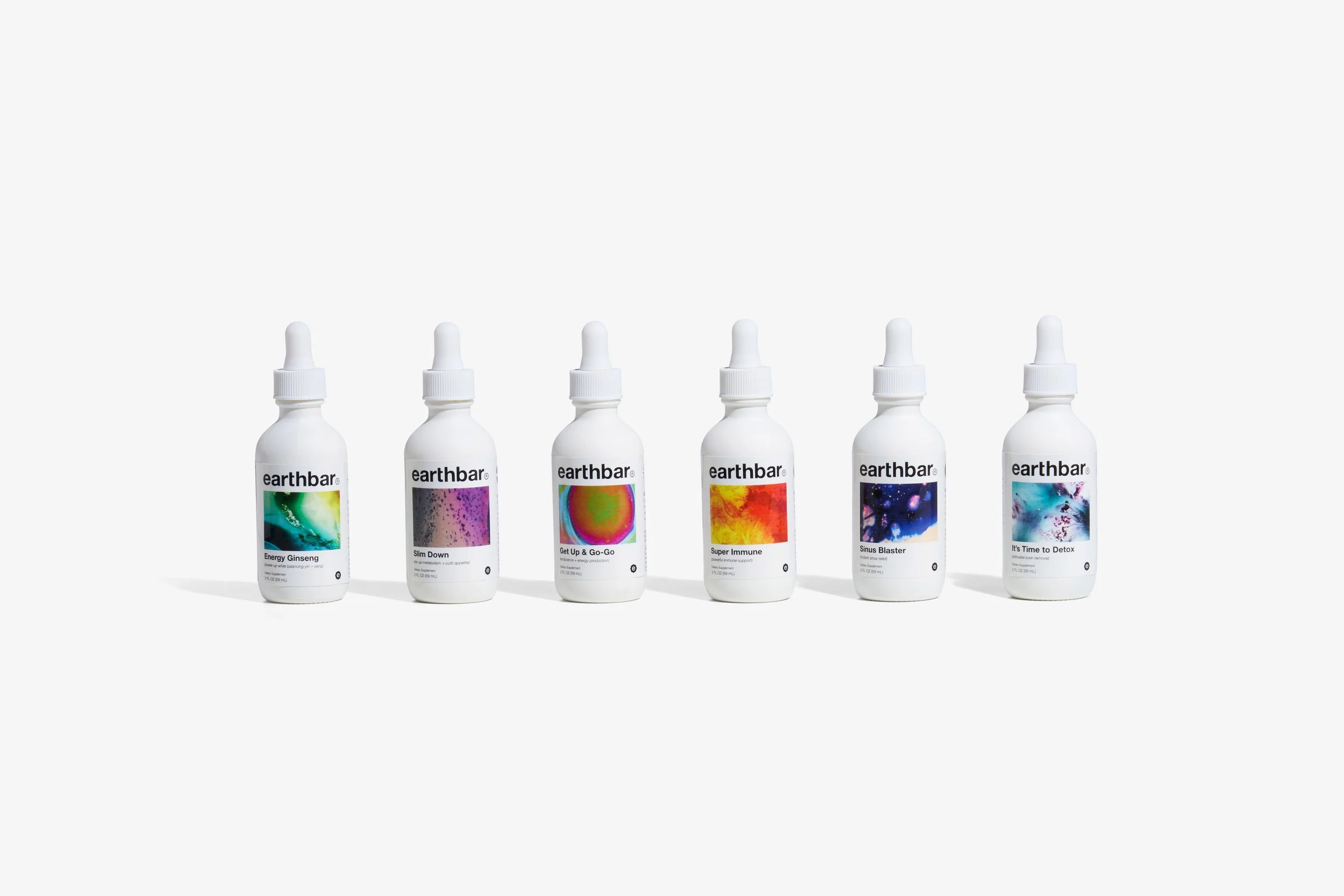
A defined visual system makes it possible to scale photography without losing brand cohesion. © Rare Studio LA
5. Product Photography Influences Perceived Value
Two identical products can sell at completely different price points solely based on photography.
High-quality visuals increase perceived value because they signal:
Attention to detail
Brand confidence
Professionalism
Reliability
Premium positioning
Low-quality photography doesn’t just make the product look cheaper—it makes the brand look cheaper.
When photography is integrated into your marketing strategy, you're not just controlling how your product looks; you're controlling how high your brand can climb.
6. Consistency Across Channels Builds Brand Trust
Most brands appear in at least three places:
Their website
Amazon or other marketplaces
Social media
If the photography feels different across each channel, the customer subconsciously assumes the brand is unorganized or inexperienced.
Marketing strategy isn’t just about reaching customers—
It’s about presenting a unified identity everywhere they meet you.
Photography is the thread that ties all of it together.

When photography is treated as strategy, even a single image can communicate value and credibility. © Rare Studio LA
7. Treating Photography as an Afterthought Costs More in the Long Run
When photography isn’t part of the strategy from the beginning, teams end up:
Reshooting products
Rebuilding PDP pages
Rewriting ad creative
Fixing inconsistent batches of SKUs
Losing performance on paid channels
Spending extra budget to “clean up” visuals later
Fixing inconsistency always costs more than preventing it.
Strong photography upfront saves time, money, and internal bandwidth—and creates assets your marketing team can rely on.
So What Does It Mean to Make Photography Part of Your Strategy?
It means:
Defining a visual system before building campaigns
Planning photography around your marketing calendar
Creating assets for ads, PDPs, and storytelling—not just catalog shots
Ensuring consistency across every channel your brand appears
Working with a photographer who understands how images support conversion
Photography shouldn’t live at the end of your workflow.
It should shape the strategy from the beginning.
Need help?
A lot of brands don’t need more content—they need photography that’s planned with their marketing goals in mind. When images are intentional, consistent, and built to convert, everything else performs better.
At Rare Studio LA, we work with brands to create product photography systems that support launches, ads, and long-term growth—not just one-off shoots.
You can explore our work at rarestudiola.com, and check our Google reviews if you want to hear from the teams we’ve partnered with.