Bad photography doesn’t always look obviously bad.
Sometimes it looks acceptable. Sometimes it looks “fine.” Sometimes it even looks polished—until you start seeing the downstream impact.
For fashion brands, photography doesn’t just affect how products look. It quietly influences return rates, refund volume, conversion efficiency, and long-term brand trust. And unlike ad spend or logistics, these costs rarely appear as a single line item.
They show up everywhere else.
Here’s how weak or inconsistent photography creates hidden costs that compound over time—and why fashion brands often feel the damage long after the shoot is done.
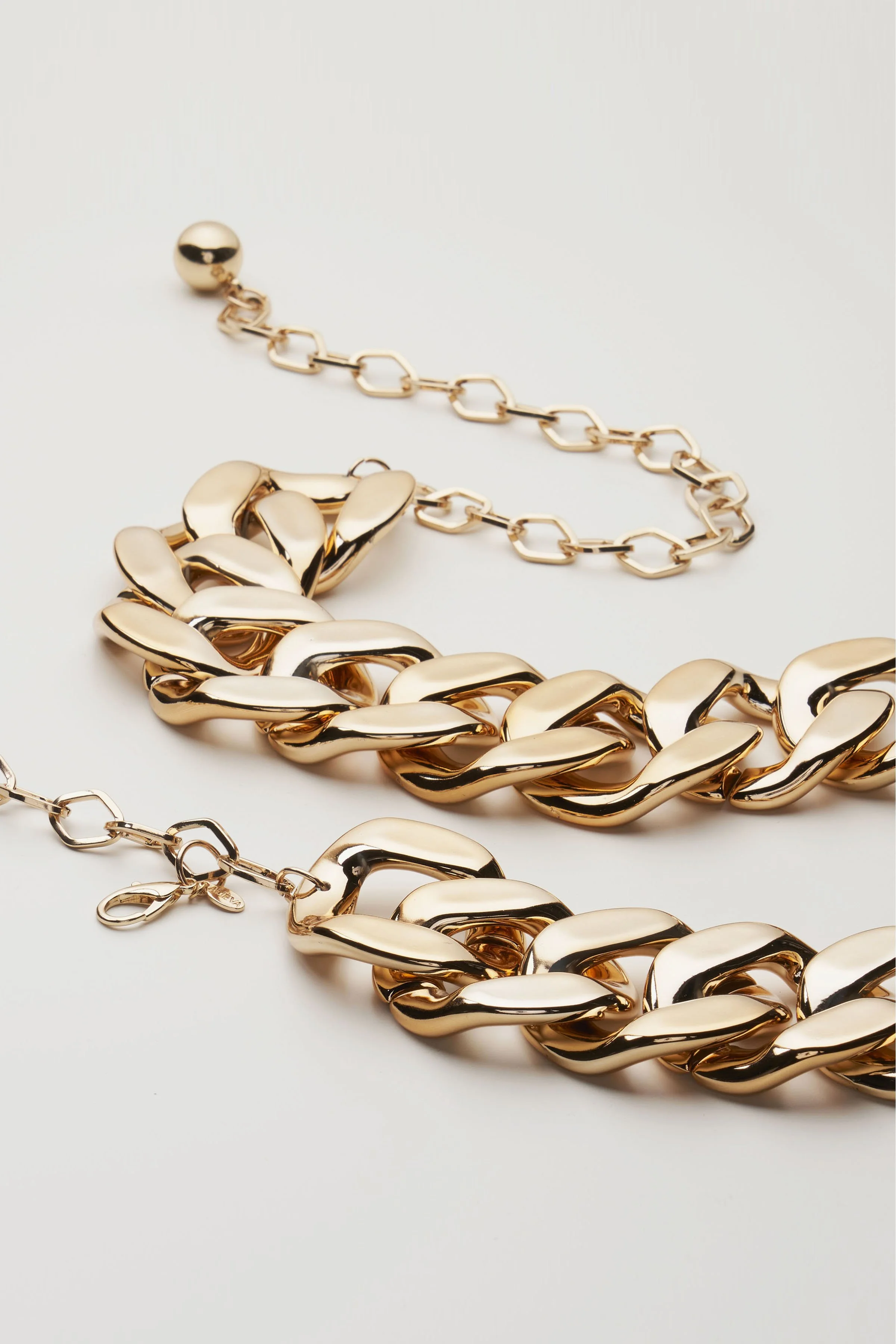
Accurate lighting and reflections help set realistic expectations for finish and weight. © Rare Studio LA
1. Higher Return Rates From Mismatched Expectations
Most fashion returns are driven by expectation gaps.
When photography:
Misrepresents color
Flattens or exaggerates fit
Hides fabric texture
Over-smooths silhouettes
Alters proportions through styling or retouching
Customers receive something that doesn’t match what they thought they were buying.
Even if the garment itself is well made, unclear or misleading imagery creates friction between expectation and reality. And when that happens, returns follow.
Returns don’t just cost shipping. They also create:
Extra warehouse handling
Restocking labor
Inventory delays
Lost resale value
Increased customer support volume
All because the image failed to communicate the product honestly.
2. Refunds Compress Margins Faster Than Brands Realize
Refunds don’t simply reverse revenue—they compress margins.
Each refunded order typically includes:
Payment processing fees that aren’t recovered
Labor costs tied to handling and inspection
Packaging waste
Reduced chance of reselling at full price
When photography is unclear, refunds increase quietly and consistently. Brands often respond by tightening policies or blaming customer behavior, when the root cause is visual communication.
Clear, accurate photography prevents refunds before they ever happen.
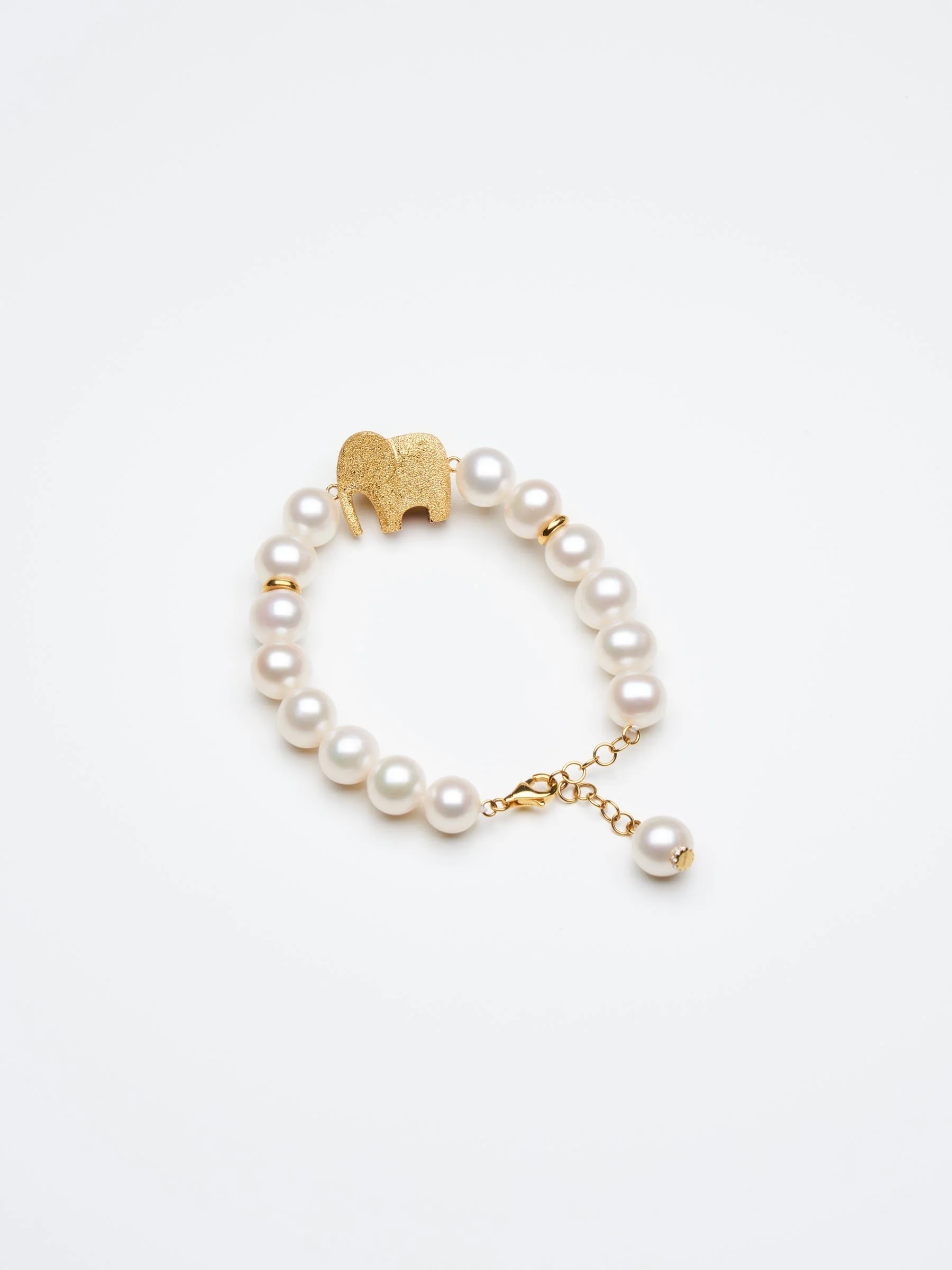
Clean composition and true color prevent perceived quality gaps that lead to returns. © Rare Studio LA
3. Bad Photography Hurts Conversion Long Before a Return Happens
Not every doubtful customer completes a purchase and returns it.
Many never buy at all.
Low-quality fashion photography leads to:
Hesitation on PDPs
Lower add-to-cart rates
Longer decision time
Drop-offs during checkout
These losses rarely get attributed to photography. They’re often blamed on price, copy, or traffic quality. But in fashion, visuals do the heavy lifting.
If customers can’t clearly understand fit, drape, structure, and material, they hesitate. And hesitation is one of the most expensive outcomes in ecommerce.
4. Inconsistent Images Quietly Damage Brand Trust
Fashion brands rely heavily on consistency to feel credible.
When:
One product looks premium and the next looks rushed
Lighting shifts across SKUs
Colors drift between collections
Cropping and scale feel random
Customers notice—even if they can’t articulate exactly why.
Inconsistency signals:
Poor attention to detail
Weak quality control
A brand that isn’t fully established
Trust erodes quietly. Repeat purchase rates drop. Loyalty weakens.
Strong photography isn’t just about individual images looking good—it’s about the entire catalog feeling intentional.
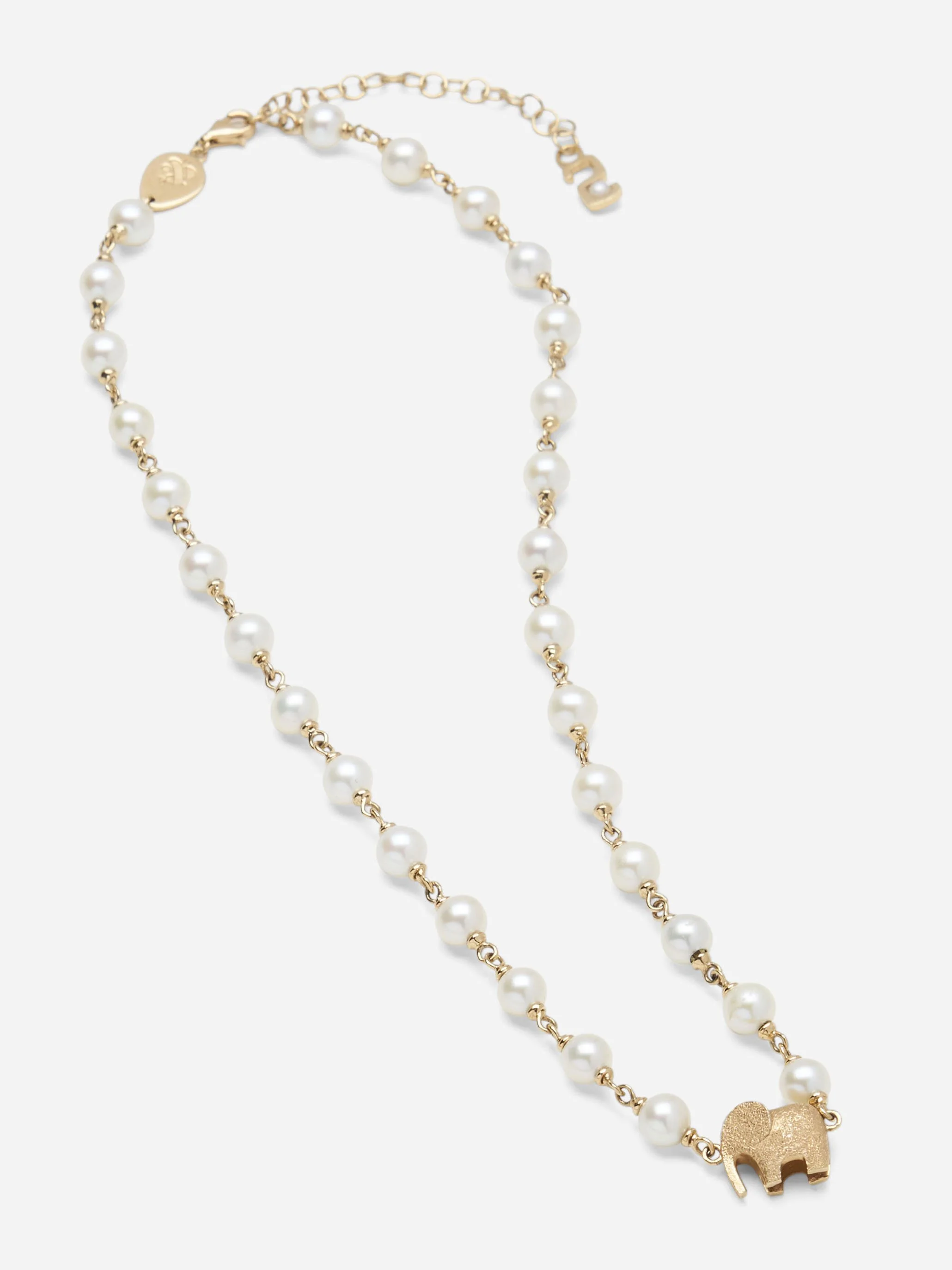
Consistent framing across SKUs builds trust and makes comparison easier for customers. © Rare Studio LA
5. Poor Fit Representation Drives Size-Related Returns
Fit is one of the hardest things to communicate in fashion, and photography plays a critical role.
When images:
Avoid side or back angles
Hide structure and drape
Over-rely on flat lays
Use inconsistent poses or models
Don’t show garments in motion
Customers are forced to guess.
And guessing leads directly to size-related returns.
Better photography doesn’t eliminate sizing issues entirely, but it significantly reduces uncertainty by showing how garments behave on real bodies.
6. Over-Retouching Creates Long-Term Credibility Issues
Heavy retouching may make a garment look more “perfect,” but it often does more harm than good.
Over-edited images:
Hide real fabric texture
Distort construction details
Create unrealistic expectations
Make the product feel artificial
When customers realize the product doesn’t match the image, trust drops—even if the difference is subtle.
In fashion, credibility matters more than perfection.
7. Reputation Damage Is the Cost Brands Feel Last
Returns and refunds show up in reports.
Reputation damage doesn’t.
Bad photography leads to:
Negative reviews citing “not as pictured”
Lower confidence in future launches
Reduced word-of-mouth trust
Increased skepticism from new customers
Once a brand gains a reputation for unclear or misleading visuals, it takes far more effort—and far better photography—to rebuild trust.
Reputation loss is slow, quiet, and expensive to reverse.
The Real Cost Isn’t the Photos—It’s Everything They Affect
Bad photography doesn’t fail in one obvious way.
It fails across the entire funnel.
It increases returns.
It compresses margins.
It lowers conversion.
It weakens trust.
It damages long-term brand equity.
For fashion brands, photography isn’t just content—it’s risk management.
Seeing higher returns or inconsistent performance across your catalog?
For most fashion brands, rising returns and refunds aren’t a product problem—they’re a communication problem. When photography clearly represents fit, color, and quality, everything downstream improves.
At Rare Studio LA, we help fashion brands create photography systems that reduce uncertainty, protect brand trust, and scale cleanly across growing catalogs.
You can explore our work at rarestudiola.com, and check our Google reviews if you want to hear from teams we’ve partnered with.