Most shot lists are built around images.
The better ones are built around sales.
A typical shot list might include:
front view
side view
detail shot
lifestyle image
But this kind of list answers a production question, not a business one. It focuses on what to shoot, not why it matters.
When a shot list isn’t tied to sales goals, brands often end up with images that look complete—but don’t actually perform. They check all the boxes, but miss the intent behind them.
A strong shot list does something different.
It connects every image to a purpose in the customer journey.
Here’s how to build one that actually supports how your product sells.
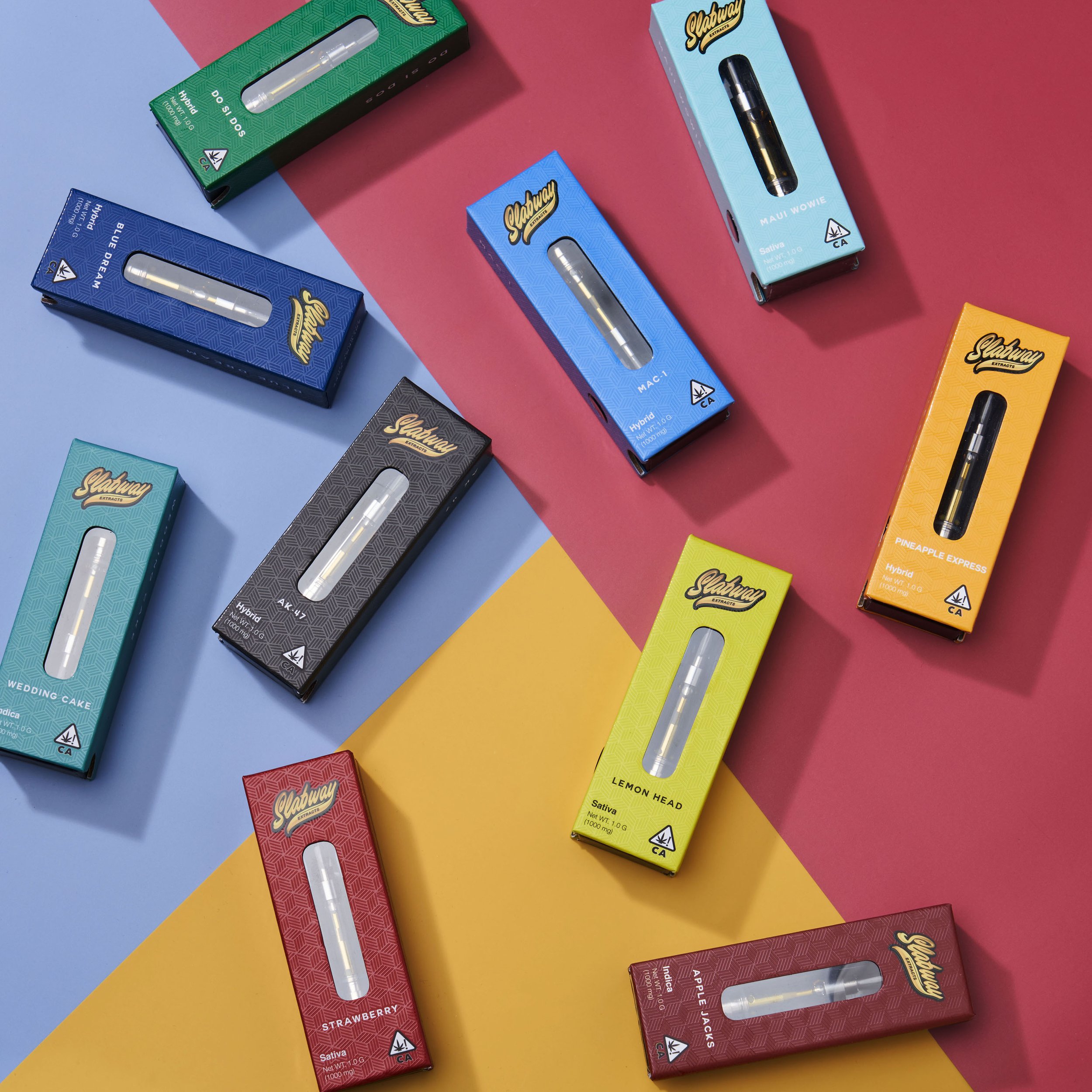
Color-driven product layout designed for social content, ads, and campaign visuals with high scroll impact.
© Rare Studio LA
1. Start With the Customer, Not the Camera
Before listing shots, define how the customer makes a decision.
Ask:
What questions does the customer have before buying?
What objections slow them down?
What details are hardest to understand without seeing the product?
For example:
“Is the material high quality?”
“How does it fit or scale?”
“What makes this different from competitors?”
Each of these questions should map directly to a visual.
Your shot list should answer customer concerns—not just document the product.
2. Map Each Image to a Stage in the Funnel
Not every image serves the same purpose.
Think in terms of funnel stages:
Attention (Ads / Social)
bold hero images
strong silhouettes
high-contrast compositions
Consideration (Product Page)
multiple angles
detail shots
texture and material close-ups
Decision (Conversion)
scale references
product-in-use visuals
comparison or feature-focused images
When your shot list covers all three stages, your photography works across ads, PDPs, and retention—not just one channel.
3. Define What Each Shot Needs to Communicate
A good shot list doesn’t just name the shot—it defines its job.
Instead of:
“Detail shot”
Write:
“Close-up showing fabric texture and stitching quality”
Instead of:
“Lifestyle image”
Write:
“Product in use demonstrating size and real-world context”
This level of clarity ensures:
the photographer understands intent
the team aligns on expectations
fewer revisions are needed
Every image should have a defined role.
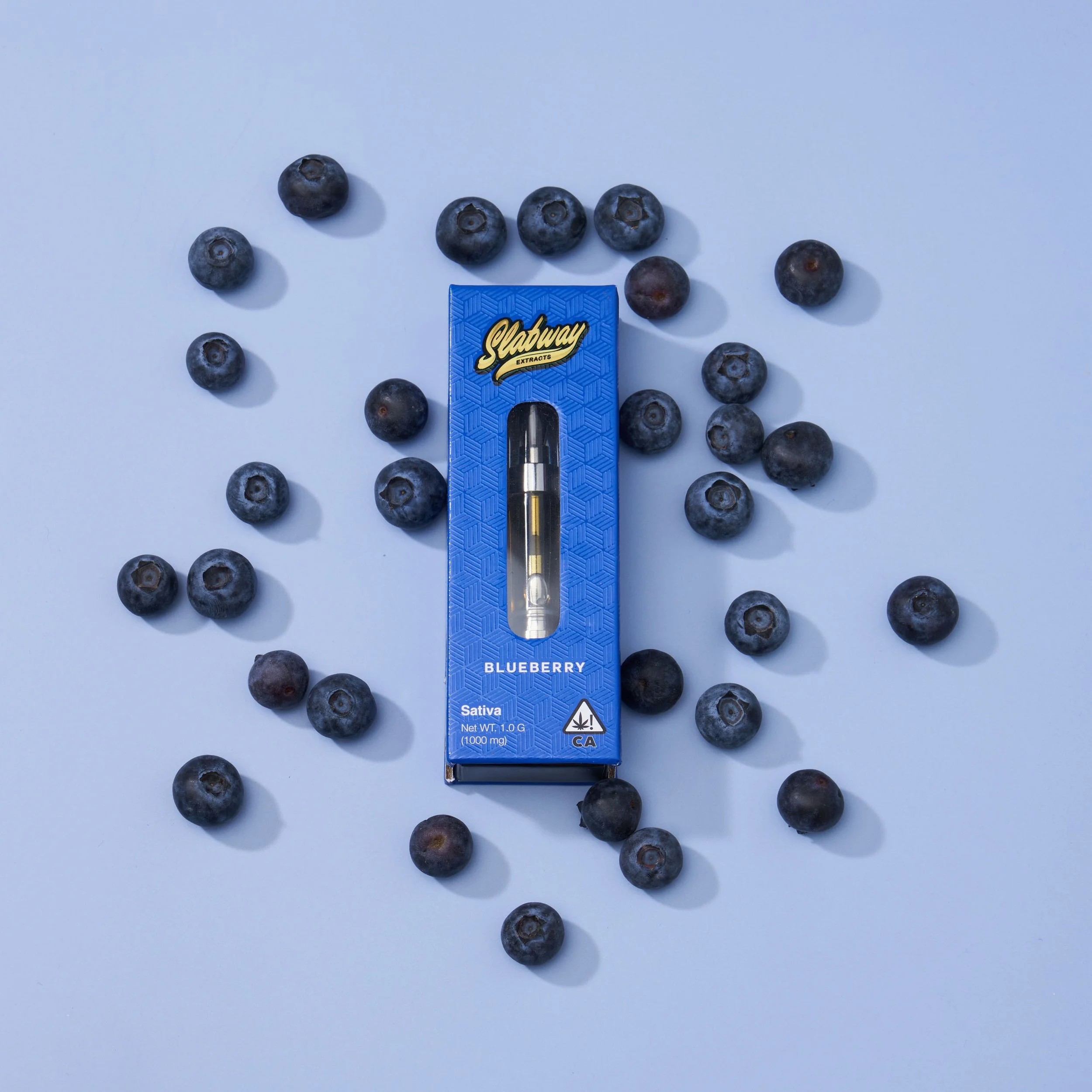
Detail-focused product shot paired with contextual elements to highlight flavor, ingredients, and product identity.
© Rare Studio LA
4. Plan for Multiple Formats From the Start
A single image rarely lives in one place.
Your shot list should account for:
square crops (ecommerce)
vertical formats (Reels, TikTok, Stories)
wide formats (banners, landing pages)
If you don’t plan this early, you’ll end up cropping images later in ways that weaken composition.
Planning for format upfront makes your content more flexible—and more usable across channels.
5. Include Variation Without Losing Consistency
Variation is necessary for ads and testing.
Consistency is necessary for brand identity.
Your shot list should balance both:
consistent lighting and framing for core images
controlled variations for testing (angles, crops, styling)
This allows your marketing team to experiment without breaking visual cohesion.
6. Build for Scale, Not Just One Shoot
If your brand is growing, your shot list shouldn’t reset every time.
Instead, it should become a repeatable system:
same structure across SKUs
same lighting logic
same composition rules
This allows you to add new products without rebuilding your visual identity from scratch.
7. Align With Everyone Before the Shoot
A shot list only works if everyone agrees on it.
Before shoot day:
marketing confirms usage needs
ecommerce confirms PDP requirements
creative confirms visual direction
production confirms feasibility
Misalignment here leads to missing shots, rushed decisions, and reshoots.
Alignment early saves time later.
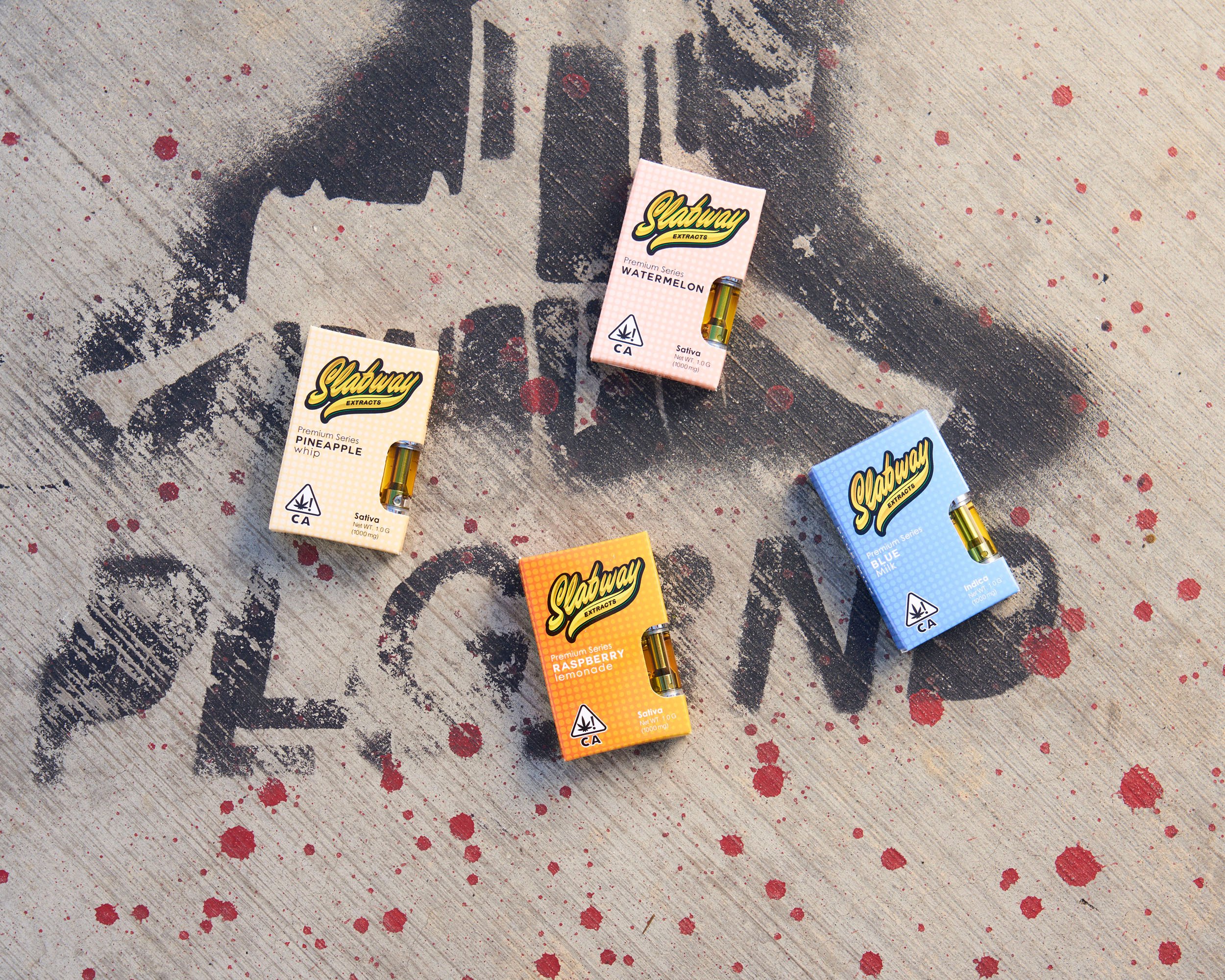
Lifestyle-style product composition that builds brand mood and storytelling beyond standard ecommerce imagery.
© Rare Studio LA
The Bottom Line
A shot list isn’t just a checklist.
It’s a translation layer between marketing goals and visual execution.
When built correctly, it ensures every image:
answers a customer question
supports a stage in the funnel
fits across multiple platforms
contributes to conversion
The best shot lists don’t just organize a shoot.
They drive results.
Want your photos to actually support how your product sells?
Most shot lists are built around coverage, not conversion. When each image is tied to a clear purpose, your entire content system becomes more effective.
At Rare Studio LA, we help brands design shot lists that align with real marketing goals—not just production needs.
You can explore our work at rarestudiola.com, and check our Google reviews to hear from teams we’ve partnered with.