One of the most common questions brands ask before booking a shoot is simple:
“How long will this take?”
The honest answer: it depends—but not in the way most people expect.
Many business owners assume the timeline is mostly about shooting time. In reality, the actual time spent pressing the shutter is only a small part of the process. What determines the duration of a product photoshoot is everything around it: preparation, complexity, alignment, and post-production.
Understanding where time goes helps you plan better, budget more accurately, and avoid delays.
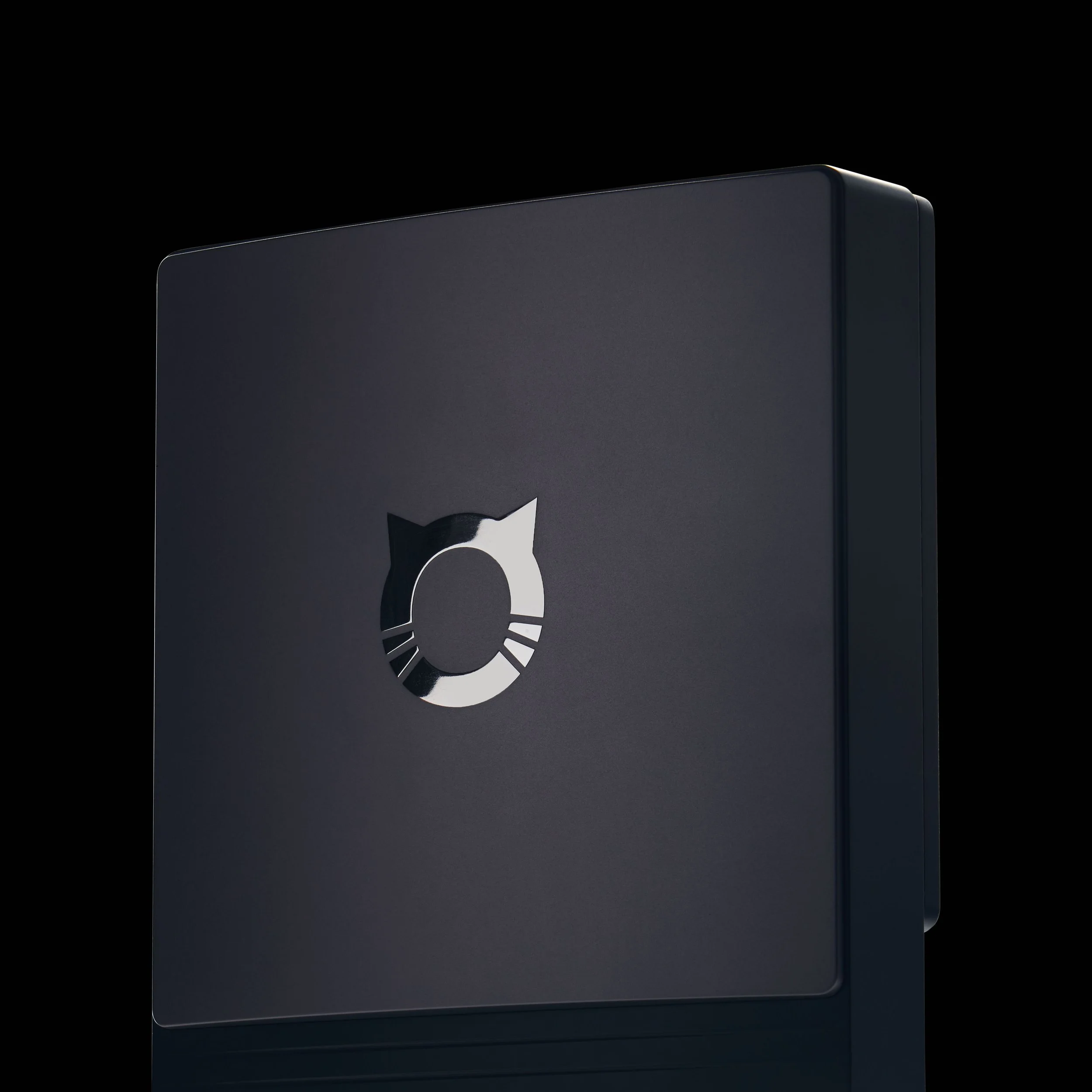
Clean hero product shot designed to establish brand identity and create a strong first impression in ads and landing pages.
© Rare Studio LA
1. The Shoot Day Is Only One Part of the Timeline
A product photoshoot typically involves three phases:
Pre-production
defining goals
building a shot list
preparing products
aligning references
organizing logistics
Production (shoot day)
setting up lighting and scenes
styling and positioning
capturing images
making adjustments in real time
Post-production
selecting images
retouching
exporting and formatting
final delivery
Most delays don’t happen during the shoot—they happen before or after.
2. Product Complexity Directly Impacts Time
Not all products take the same amount of time to shoot.
Factors that increase complexity:
reflective materials (glass, metal, glossy surfaces)
transparent elements
soft goods that require styling (apparel, fabric)
multi-part products
products that need precise alignment
More complexity means:
more setup time
more lighting adjustments
more retouching
Simple products can move quickly. Complex ones require patience.
3. The Shot List Defines the Pace
A clear, well-structured shot list speeds everything up.
A vague or evolving one slows everything down.
If the team arrives without clarity:
decisions are made on set
setups change frequently
shots get missed
time gets wasted
When the shot list is locked beforehand, the shoot becomes predictable and efficient.
The more defined the plan, the faster the execution.
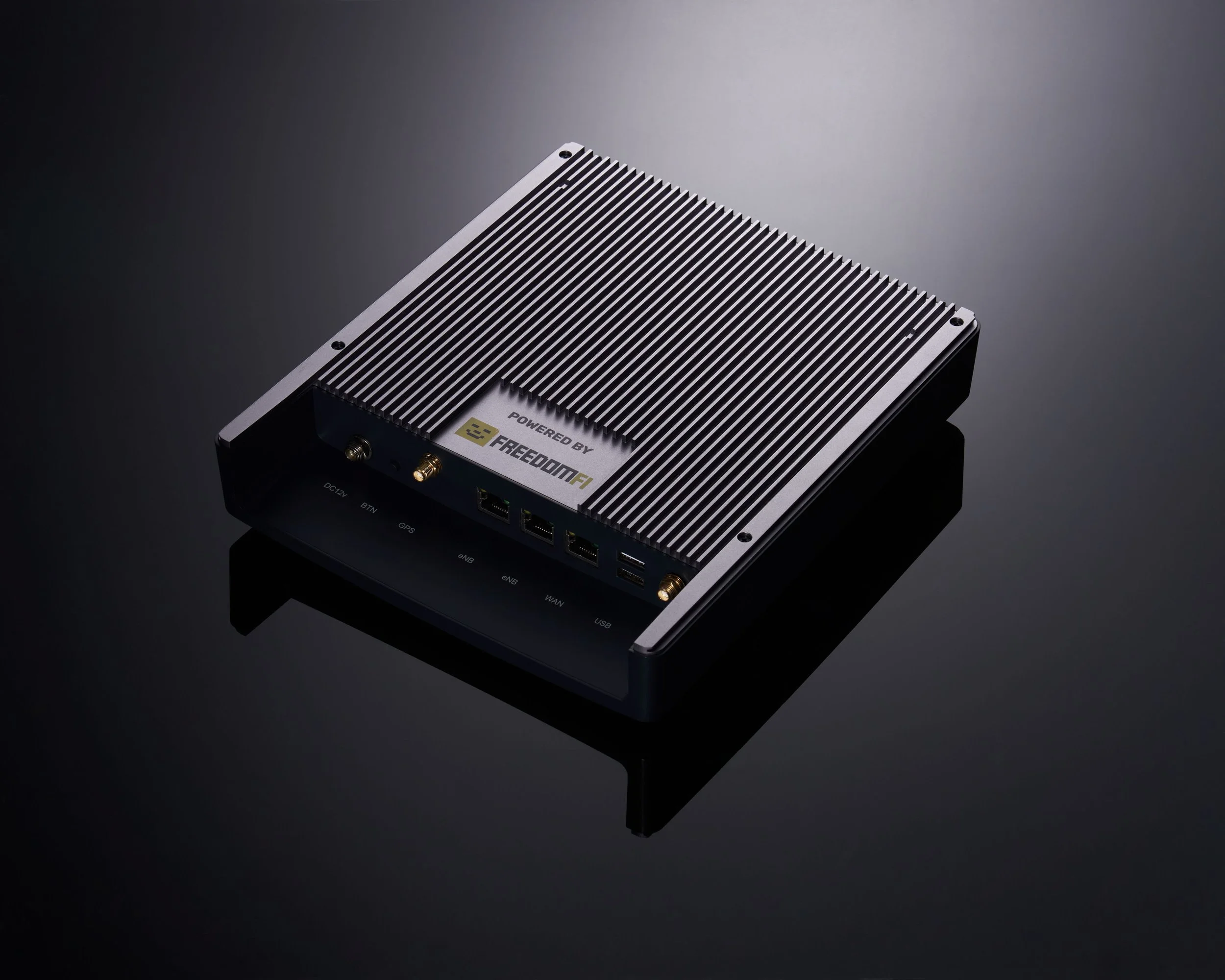
Three-quarter angle product image that highlights structure, features, and usability for ecommerce and product pages.
© Rare Studio LA
4. Setup Time Is Often Underestimated
Lighting setup, test shots, and adjustments take time—especially when consistency matters.
Even for a clean white-background shoot, time is spent on:
dialing in exposure
controlling shadows
ensuring color accuracy
aligning product positioning
For lifestyle or styled shoots, setup time increases further with props, surfaces, and scene building.
This is why shoots don’t move product-to-product instantly.
5. Revisions and Changes Add Time Quickly
Mid-shoot changes are one of the biggest timeline disruptors.
Examples:
changing creative direction
adding new shot requests
adjusting styling or props
rethinking composition
Each change can require:
new lighting setups
repositioning
additional testing
Without adjusting the schedule, quality or coverage will suffer.
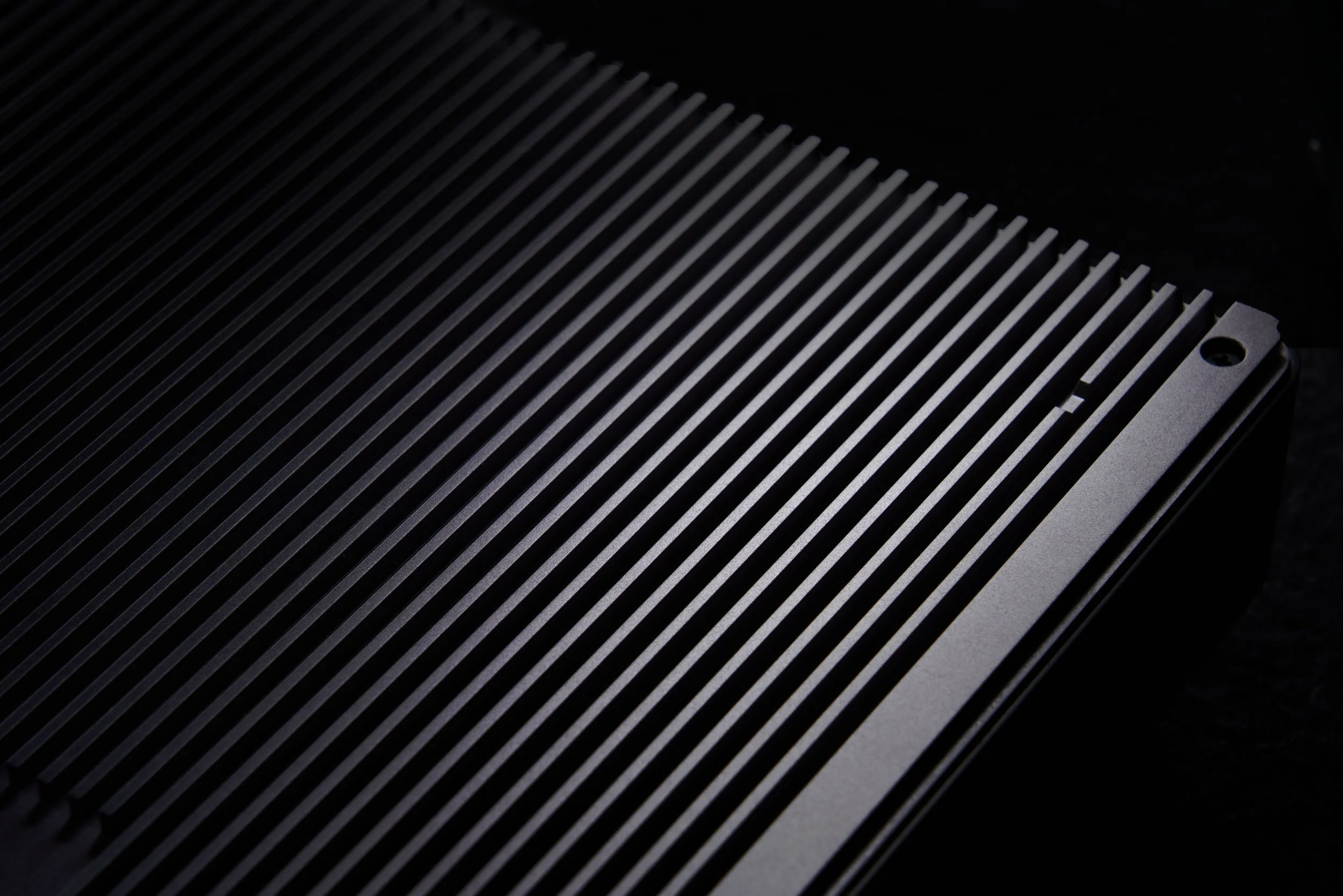
Detail-focused close-up that showcases material, texture, and build quality to support customer confidence and conversion.
© Rare Studio LA
6. Post-Production Can Take as Long as the Shoot
After the shoot, the work isn’t finished.
Time is needed for:
selecting the best images
cleaning dust and imperfections
correcting color
ensuring consistency across all images
exporting files for different platforms
For larger shoots or detailed retouching, post-production can match—or exceed—the time spent shooting.
7. The Biggest Variable: Preparation
Two identical shoots can take very different amounts of time depending on preparation.
When preparation is strong:
products are ready
shot lists are clear
references are aligned
decisions are made quickly
When preparation is weak:
issues are discovered on set
time is spent troubleshooting
decisions get delayed
Preparation is the single biggest factor in how long a shoot takes.
What This Means for Your Timeline
Instead of asking only “How long is the shoot?”, it’s more useful to think in terms of:
How complex is the product?
How many deliverables are needed?
How prepared is the team?
How much consistency is required?
These variables determine the real timeline—not just the number of hours booked.
The Bottom Line
A product photoshoot isn’t just a block of time on a calendar.
It’s a process.
When planned properly, it runs efficiently and predictably.
When rushed or underprepared, it expands quickly.
Understanding where time goes allows you to:
plan launches more accurately
avoid last-minute delays
get better results from the same production
Time in photography isn’t just about speed.
It’s about control.
Planning a shoot and trying to set realistic expectations?
Most timelines become clear once the scope, complexity, and preparation are defined. When those pieces are aligned, shoots run smoother—and results improve.
At Rare Studio LA, we help brands plan production timelines that match their goals, deliverables, and scale.
You can explore our work at rarestudiola.com, and check our Google reviews if you want to hear from teams we’ve partnered with.