Hiring a commercial photographer seems straightforward: review a portfolio, ask for a quote, schedule a shoot.
But many business owners underestimate how much the outcome depends on the decisions made before the shoot ever happens. When expectations, scope, and creative direction aren’t aligned early, even a technically good photographer can struggle to deliver the results the brand actually needs.
Over time, certain patterns show up again and again. The same hiring mistakes lead to the same problems—delays, inconsistent visuals, unexpected costs, or photos that simply don’t perform.
Here are some of the most common mistakes business owners make when hiring a commercial photographer, and how to avoid them.
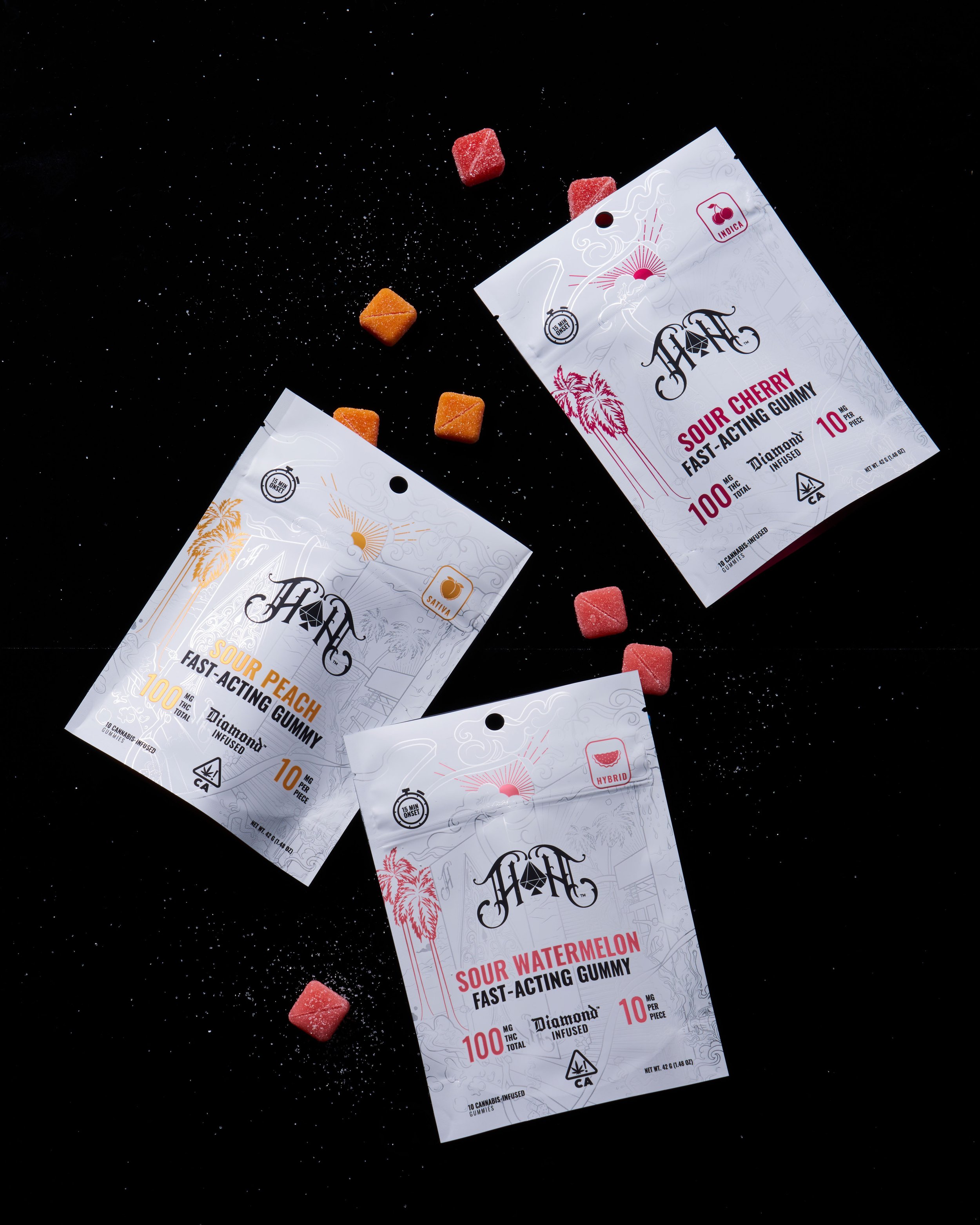
Strong product photography balances clarity and visual impact so packaging details stay readable across ecommerce and ads. © Rare Studio LA
1. Choosing Based on Price Alone
Budget always matters. But when photography decisions are made purely on price, the result is often short-term savings followed by long-term cost.
Lower-priced photographers may lack experience with:
lighting complex materials
maintaining consistency across multiple products
delivering files optimized for ecommerce or advertising
scaling production when catalogs grow
The shoot might be cheaper—but reshoots, inconsistent images, and extra editing quickly erase those savings.
The real question isn’t just “What does the shoot cost?”
It’s “Will these images actually work for our brand and marketing?”
2. Not Checking Relevant Portfolio Work
A photographer may be talented and still not be the right fit.
Commercial photography covers many categories:
fashion
beauty
electronics
food
jewelry
apparel
lifestyle advertising
Each category has its own technical challenges.
Business owners sometimes hire photographers whose portfolios look impressive but don’t show experience with similar products. Lighting glass, cosmetics, textiles, or reflective materials requires very different approaches.
A portfolio should demonstrate experience with products that behave visually like yours.
3. Going Into the Shoot Without a Clear Shot List
One of the most common issues happens before the shoot even begins.
Without a defined shot list, teams arrive on set and start making decisions in real time:
Which angles do we need?
Do we need detail shots?
Should we capture lifestyle images?
What crops are required for ads?
This uncertainty slows the shoot, increases costs, and often leads to missing images that marketing later realizes they needed.
A clear shot list protects both the brand and the photographer.
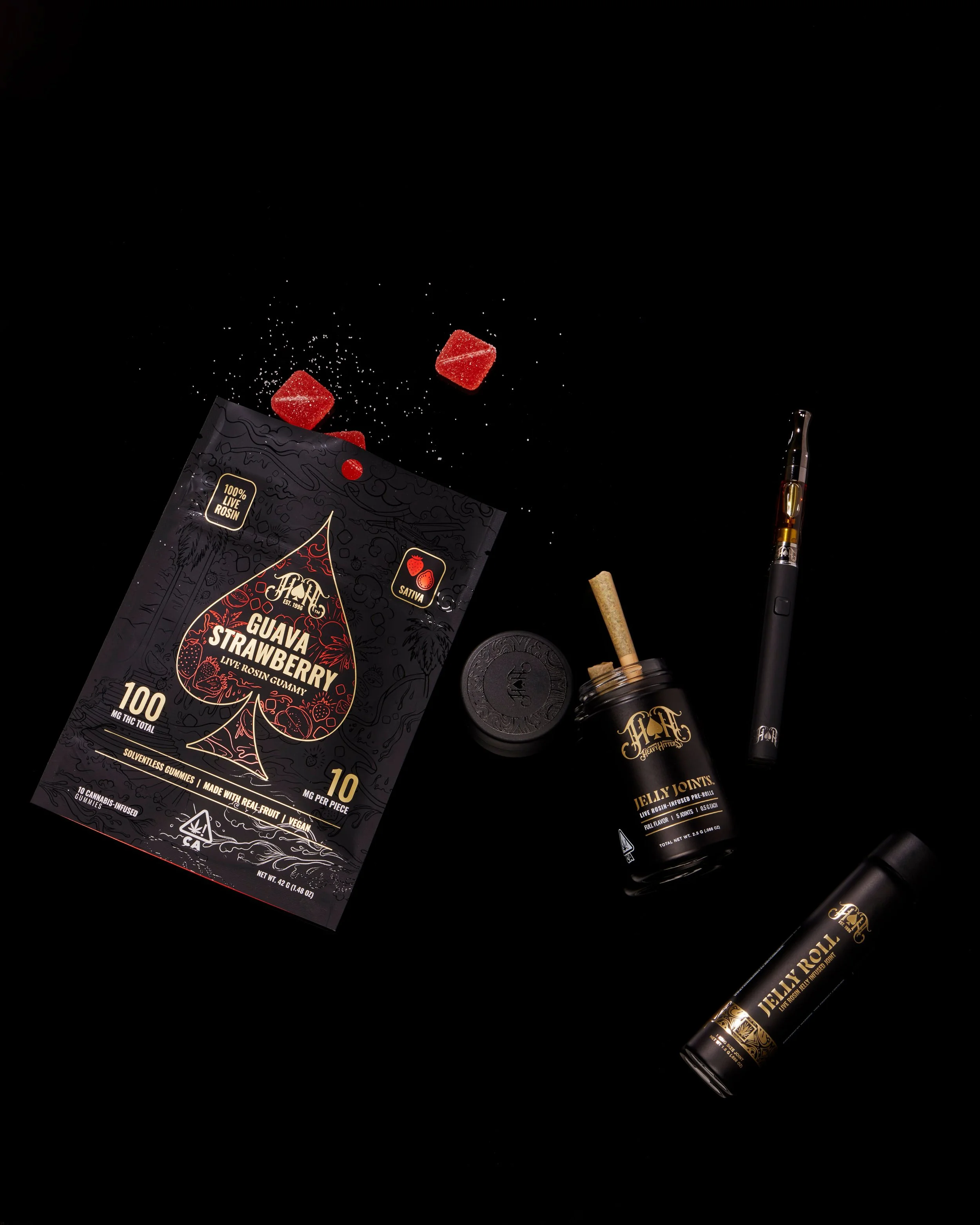
Experience with complex materials and dark packaging ensures products remain legible without losing brand mood. © Rare Studio LA
4. Expecting Retouching to Fix Everything
Editing is powerful—but it isn’t magic.
If a product arrives:
wrinkled
scratched
dusty
poorly styled
incorrectly assembled
retouching becomes time-consuming and expensive.
Good commercial photography starts with well-prepared products and careful lighting. Retouching should refine the image, not rescue it.
5. Not Defining How the Images Will Be Used
Different marketing channels require different types of images.
For example:
ecommerce PDP images prioritize clarity and consistency
advertising images prioritize attention and storytelling
Amazon listings require specific framing and white backgrounds
social media often favors vertical or lifestyle compositions
When the photographer doesn’t know where the images will appear, it’s difficult to design the shoot effectively.
Clarifying usage early ensures the images work across all channels.
6. Changing Direction During the Shoot
Creative exploration can be valuable, but constant changes during a shoot create problems.
Last-minute direction shifts often mean:
new lighting setups
additional styling adjustments
different compositions
longer production time
When these changes happen without adjusting the schedule, the team is forced to rush—and quality suffers.
A clear plan allows creativity without sacrificing efficiency.
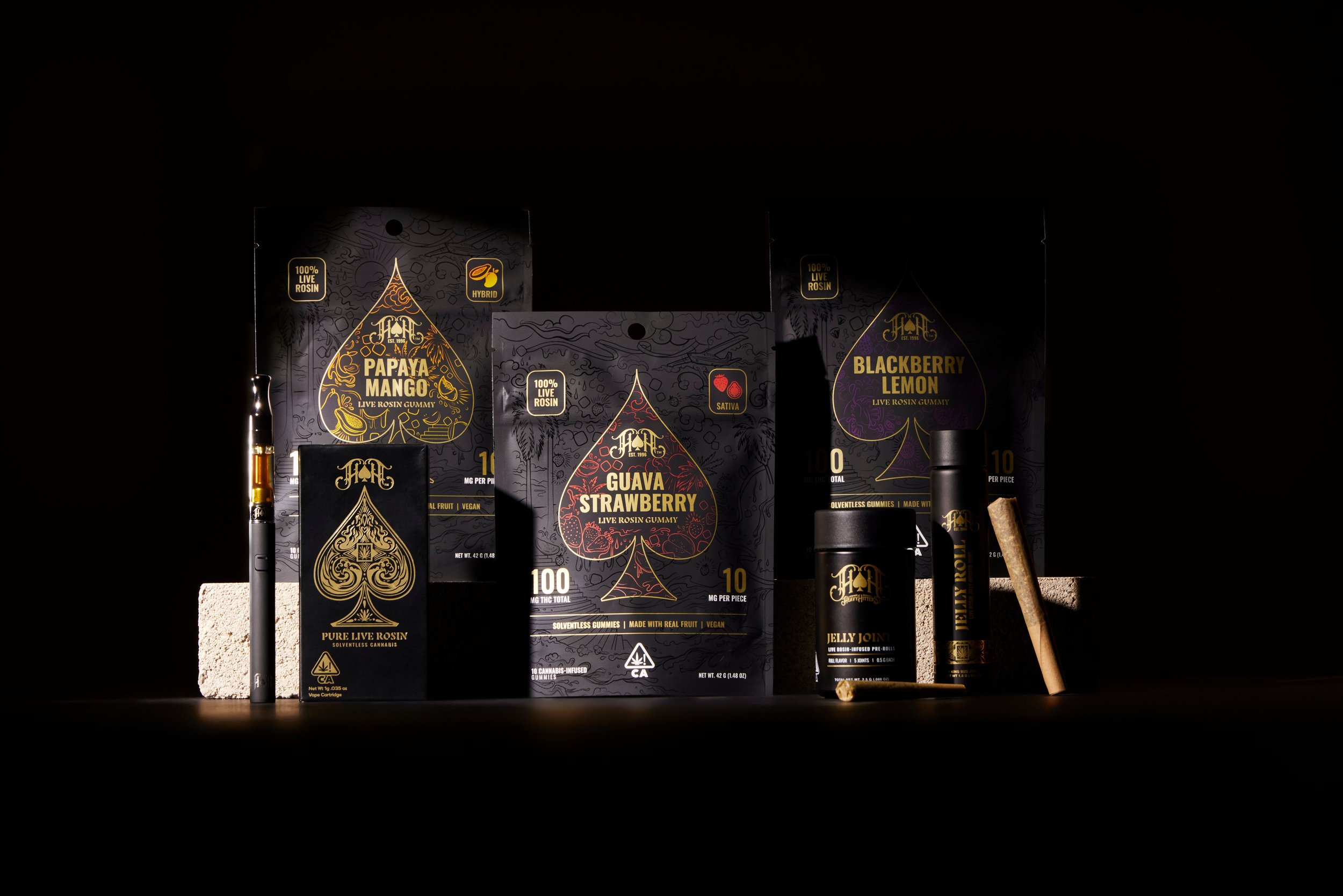
Consistent lighting and composition allow multiple SKUs to feel like part of one cohesive brand system. © Rare Studio LA
7. Thinking the Job Ends When the Photos Are Delivered
The most successful brands don’t treat photography as a one-off task. They treat it as part of a long-term visual system.
A good commercial shoot should help establish:
consistent lighting style
repeatable compositions
scalable workflows for future SKUs
visual identity across marketing channels
When photography is approached strategically, each shoot builds on the previous one instead of starting from scratch.
The Takeaway
Hiring a commercial photographer isn’t just about finding someone who can take good photos. It’s about aligning expectations, preparation, and creative direction so the images actually support the brand’s marketing goals.
Avoiding these common mistakes doesn’t just improve one photoshoot.
It creates a stronger visual foundation for everything that follows.
Hiring a photographer and want to avoid the common pitfalls?
The best commercial shoots happen when brands and photographers approach the project as a partnership. Clear preparation, shared expectations, and a strong visual plan make the process smoother—and the results far more effective.
At Rare Studio LA, we work closely with brands to plan and execute commercial photography that supports real marketing goals, not just individual images.
You can explore our work at rarestudiola.com, and check our Google reviews if you want to hear from teams we’ve partnered with.